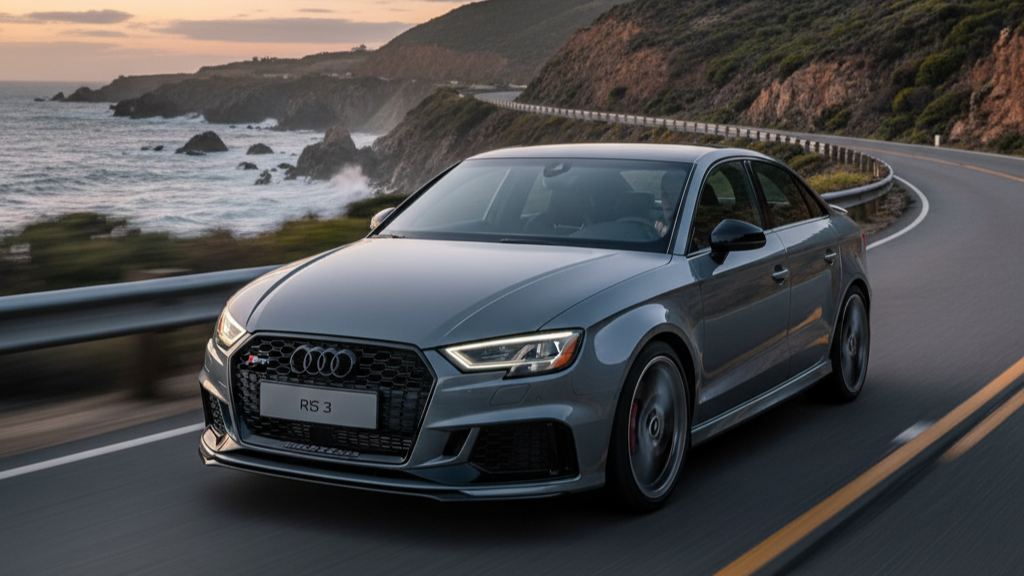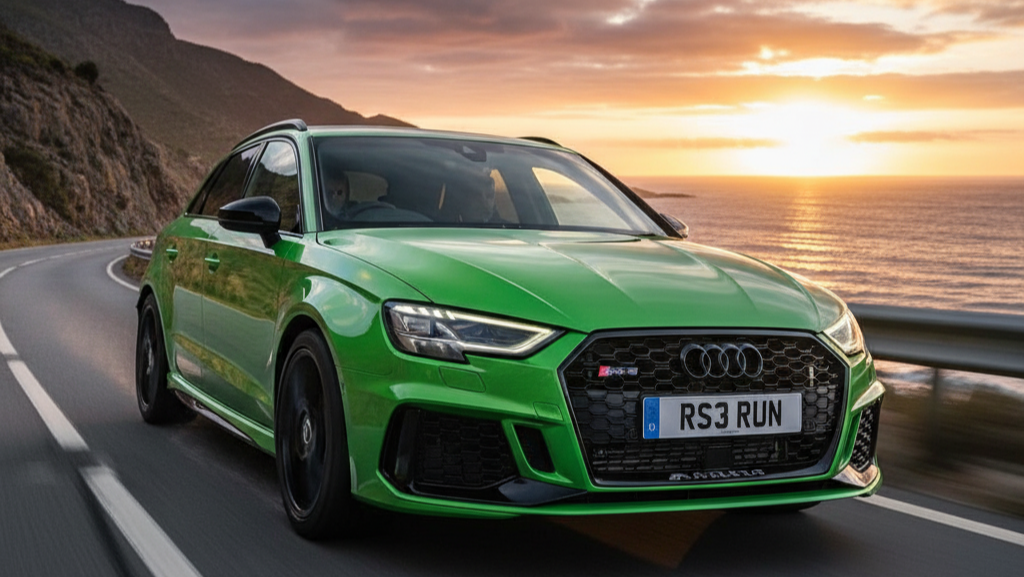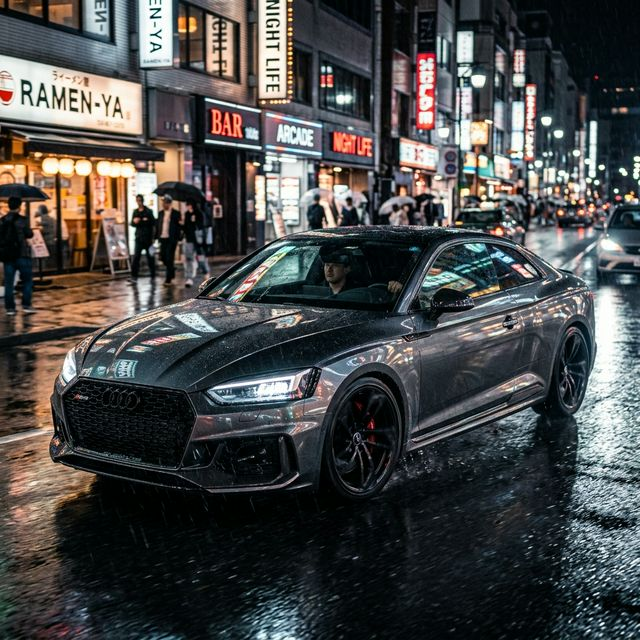
Audi RS5 B9 Reliability (2018—023): The Silent Valvetrain Threat
Engine
7/10
Gearbox
7/10
Electric
6/10
Total Risk
4/10
Direct Answer
Expect significant running costs. Manageable if preventative maintenance is done.
Verdict
Buy with Caution
Risk Level
Medium
Annual Cost
$3,000 - $5,000
Worst-Case
$10,000+
Reliability Verdict
Intermediate risk profile. Balanced ownership experience with some known failure points in cooling and high-pressure fuel systems.
📋 In This Guide
Important
Engine Context: The B9 RS5 uses the EA839 2.9T V6. Date Code Warning: Builds before July 2019 have a structural valvetrain defect. Read the Audi 2.9T Engine Hub first.
1. Reliability Score: 71/100
Classification: High-Stakes Gambling (Pre-2019) / Plastic Fragility (Post-2019)
Score Breakdown:
- Engine Mechanical: 20/30 (Pre-2019 rocker arm flaw is catastrophic; Post-2019 is robust)
- Cooling System: 15/25 (Plastic components in the Hot-V are a guaranteed failure point)
- Electronics: 22/25 (Audi MMI is stable, sensors are generally reliable)
- Suspension: 14/20 (DRC shocks leak; control arms are heavy wear items)
Warning
The “Silent Killer” Reality Unlike a BMW M car that rattles before it dies, the RS5 valvetrain failure is often silent until it’s terminal. A pre-2019 RS5 can drive perfectly one day and require a $15,000 cylinder head rebuild the next.
2. The Nightmare: Pre-July 2019 Rocker Arms
The Defect: Early EA839 engines used rocker arms with small needle bearings. Over time, these bearings degrade and disintegrate. Result: The rocker arm collapses, the pin falls out, and the camshaft grinds itself to death.
Symptoms:
- Phase 1 (Invisible): Bearings are failing internally. Zero noise. Zero codes.
- Phase 2 (Terminal): Subtle metallic ticking from the cylinder head.
- Phase 3 (Catastrophe): Camshaft correlation code (P0016). Engine seizure or massive metal contamination.
The Fix: There is no “fix” for the old parts. You must replace ALL rocker arms with the revised (thicker bearing) part. Cost: $5,000+ (Preventive) vs. $15,000+ (Failure).
3. The “Plastic Time Bomb” (All Years)
Even if you have a 2020+ model, you are not safe. The 2.9T is a “Hot-V” engine (turbos inside the V). This creates immense heat. Audi built the cooling system out of plastic.
The Failure Chain:
- Water Pump Housing: Vacuum-actuated seals fail, pulling coolant into vacuum lines.
- Expansion Tank: Splits at the seam without warning. Instant coolant loss.
- Charge-Air Cooler: The plastic end-tanks crack. Coolant leaks internally into the engine.
Caution
Hydrolock Risk If the charge-air cooler cracks internally, the engine ingests coolant. Water does not compress. Your connecting rods will bend. Result: New engine ($25,000).
4. Mileage Milestones: What WILL Fail
0 —50,000 Miles
Outlook: “The Warranty Illusion.” Risks:
- Rocker Arm Failure (Pre-2019): Can happen as early as 30k miles.
- Water Pump Leak: Slow coolant loss.
- DRC Shock Failure: Clunking over bumps.
50,000 —80,000 Miles
Outlook: “The Plastic Era.” Risks:
- Charge-Air Cooler: Plastic fatigue sets in. Replace proactively.
- Control Arms: Heavy front end eats bushings.
- Thermostat Housing: Leaks coolant into the V.
80,000+ Miles
Outlook: “Carbon & Leaks.” Risks:
- Carbon Buildup: Direct injection fouls intake valves. Rough idle. Needs walnut blasting.
- Fuel Injectors: Stuck open injectors wash cylinder walls.
- Catalytic Converters: Failures common on tuned cars.
5. RS5 vs. The Competition
RS5 (B9) vs. BMW M4 (F82)
- The M4 Risk: Crank Hub (Spinning timing gear). Sudden, rare, catastrophic.
- The RS5 Risk: Rocker Arms (Pre-2019). Silent, inevitable if defective.
- See: BMW M4 Reliability Guide
RS5 (B9) vs. Mercedes-AMG C63 (W205)
- The C63 Risk: Leaks everywhere. Oil leaks are guaranteed.
- The RS5 Risk: Coolant leaks are guaranteed.
- See: Mercedes C63 Reliability Guide
6. Final Verdict
Buy a 2018/2019 ONLY if:
- You have proof (receipts/photos) that rocker arms were replaced.
- OR the build date is after July 2019.
Buy a 2020+ if:
- You budget $2,000 immediately for aluminum charge-cooler upgrades.
- You accept that “plastic cooling” is a maintenance item.