McLaren M840T Engine: Complete Reliability & Failure Analysis
"The M840T 4.0L twin-turbo V8 is the heart of every modern McLaren. Ricardo built it well, but the oil scavenge system and turbo oil lines need attention by 30,000 miles."
Engine
6/10
Gearbox
6/10
Electric
5/10
Total Risk
5/10
Quick Verdict
Buy with CautionExpect significant running costs. Manageable if preventative maintenance is done.
Reliability Verdict
The M840T is an incredibly sophisticated engine in terms of performance engineering, but it is genuinely exotic - aning it is expensive, requires specialist-only service, and has several systems with no tolerance for neglect. The hydraulic suspension system (shared across the chassis, not purely an engine component) is the most common surprise expense. The mandatory engine-out major service is a large predictable cost. Owners who buy thinking this is a 'modern reliable car' face rapid financial surprise.
Overview
McLaren M840T 4.0L twin-turbo V8 reliability guide: hydraulic suspension leaks, dry-sump oil system, belt failures, and real annual ownership costs.
In This Guide
McLaren M840T V8 Engine Reliability: Complete Ownership Analysis
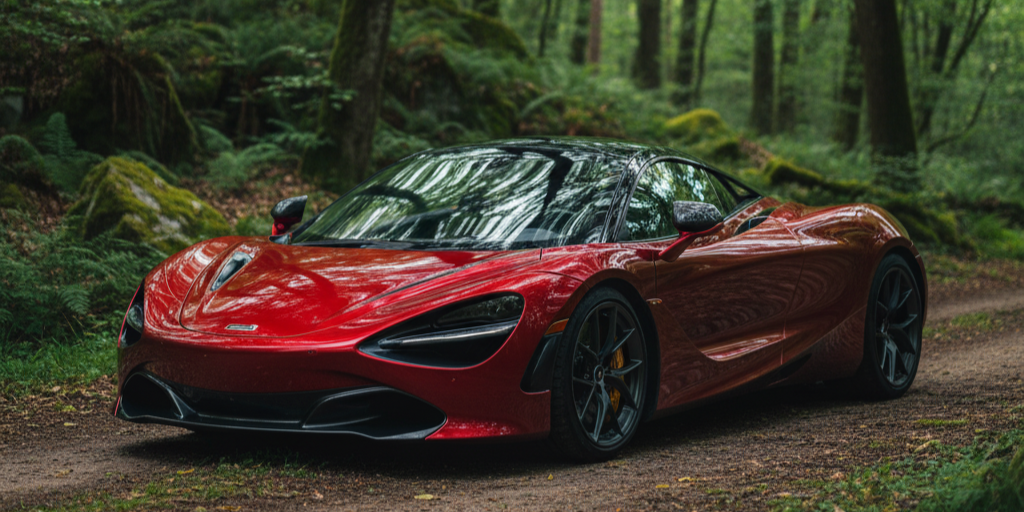
The McLaren M840T is a 4.0-liter twin-turbocharged V8 - purpose-built racing-derived engine designed to enable a mid-engine supercar to compete at track level while being driven daily.
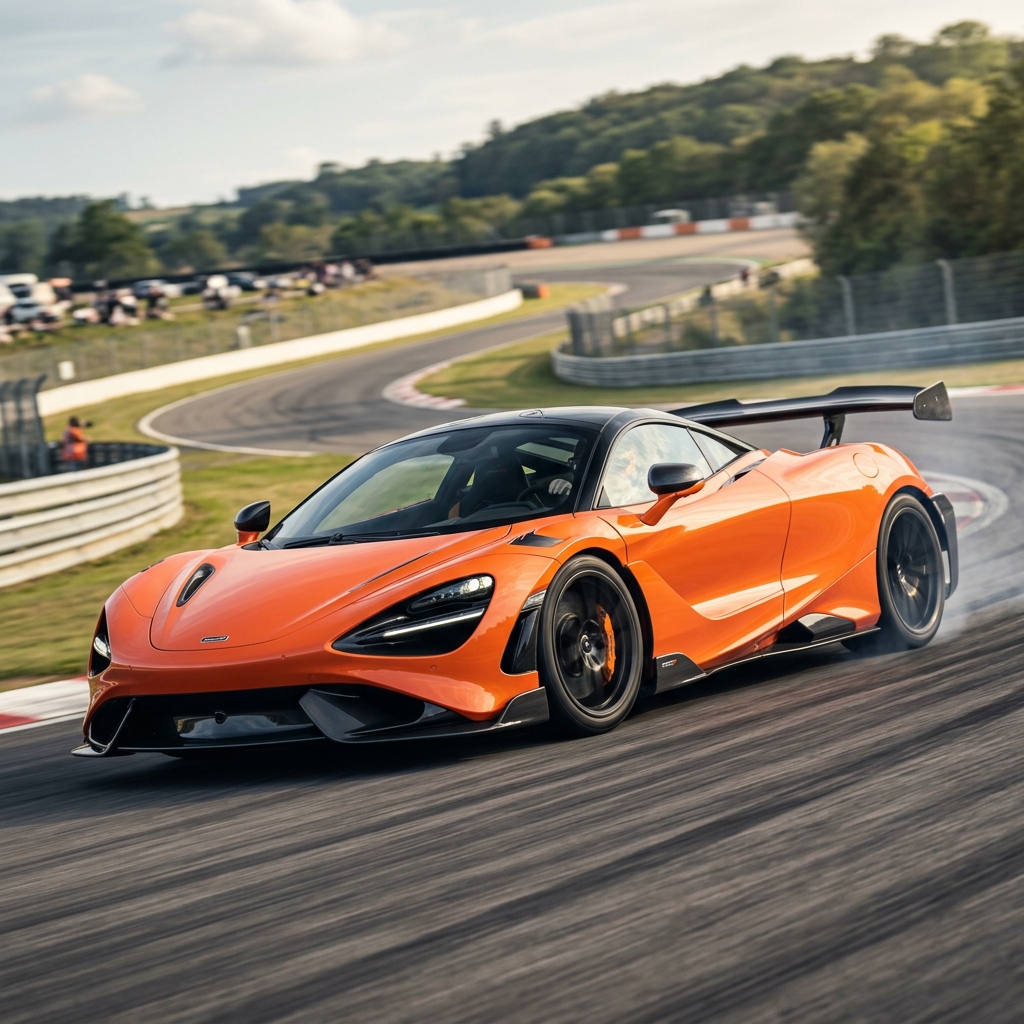
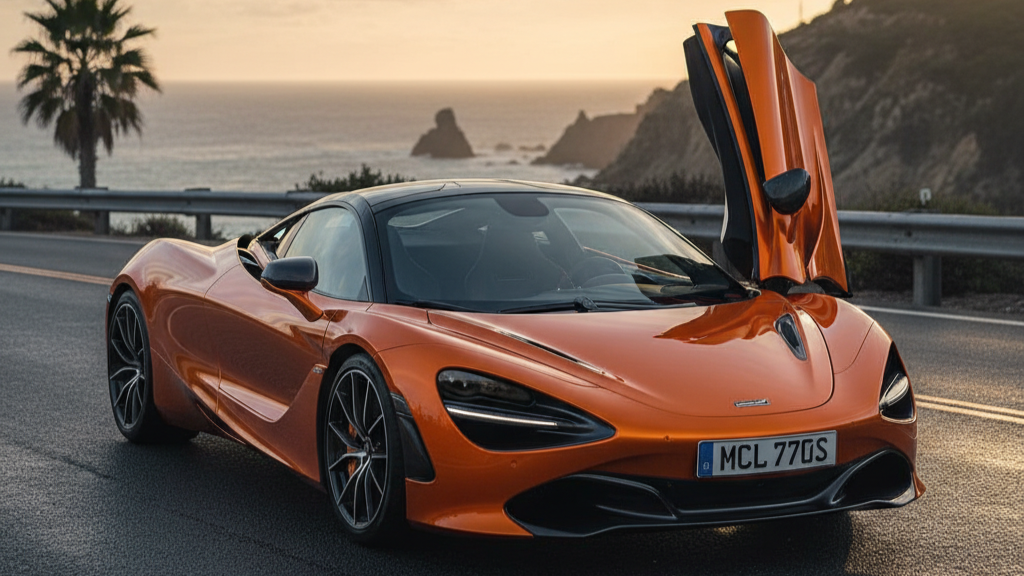
It powers the 720S (720 hp), the 765LT (765 hp), and numerous other McLaren Sport and Super Series variants.
It is also one of the most maintenance-intensive engines on the used supercar market, and one of the most misunderstood.
1. M840T Architecture: What Makes It Special — and Expensive
The M840T is a dry-sump, flat-plane crank, twin-turbo V8 with:
- 4.0L displacement, 90-degree V8 angle
- Flat-plane crankshaft (like a Ferrari V8) - ables faster revving but transfers more vibration
- Dry-sump lubrication: separate oil reservoir, scavenge pump, higher oil pressure
- Twin turbos in a hot configuration
- Power output: 710 - 5 hp depending on tune
Dry-Sump Advantages vs Risks
| Advantage | Risk |
|---|---|
| No oil starvation at high lateral or longitudinal G | Smaller oil volume requires more frequent changes |
| Optimised under track use | External reservoir hoses can leak |
| Higher sustained pressure | More sealing surfaces = more potential leak points |
The dry-sump system is the technically superior choice for a performance engine. It is also more complex than a conventional wet-sump and requires oil changes at the manufacturer intervals without exception.
2. The Hydraulic Suspension: The Most Common McLaren Expense
The M840T’s chassis uses a hydraulic Reactive Load Control suspension system (HRLS) - system that uses hydraulic fluid pressure, not air or conventional dampers, to control body motion. This is not called out as an “engine” problem, but it is the most frequently discussed expensive failure in M840T-powered cars.
How It Fails
- Hydraulic reservoir seals age and crack
- Hydraulic lines develop micro-leaks
- Fluid level drops below minimum
- Suspension becomes unpredictable - entually the car will not drive safely
Cost
| Scenario | Cost |
|---|---|
| Hydraulic hose replacement (1-2 lines) | $1,500 - $3,500 |
| Reservoir + line replacement | $3,000 - $8,000 |
| Full hydraulic system rebuild | $5,000 - $8,000 |
A McLaren maintenance study cited in our data shows hydraulic suspension service at $3,000 - $8,000 per incident, with 8-12 labor hours. This is not a hypothetical risk — it is the most common significant repair on high-mileage 720S and 650S models.
3. Engine Belt Drive System: The Silent Risk
The M840T uses a complex belt-drive system to power ancillaries. This belt has a mandatory replacement interval that must be followed:
Caution
A failed belt on the M840T causes immediate and catastrophic engine damage. repair cost: $15,000 - $25,000+. The service cost (~$2,000 - $4,000) is vastly preferable.
Never buy an M840T car without confirming belt service history. A car at or near the belt replacement interval with no service record should be priced to reflect the immediate cost of the service.
4. Engine-Out Major Service
Like many mid-engine supercars, the M840T requires periodic engine-out services for major maintenance items. According to specialist maintenance data:
- Engine-out major service: $8,000 - $15,000
- Labor: 20 - hours at specialist rates
- Frequency: Major service intervals per McLaren schedule
This is not a repair — it is an expected, scheduled cost. Any M840T ownership budget must include this as a periodic expense.
5. Annual Ownership Cost Reality
Reference data from McLaren ownership studies shows:
| Annual Cost Category | Amount |
|---|---|
| Hydraulic suspension service (amortized) | $1,500 - $3,000 |
| Engine-out service (amortized over schedule) | $1,500 - $3,000 |
| Transmission fluid service (amortized) | $800 - $2,500 |
| Routine service (oil, filters) | $1,500 - $3,000 |
| Tires (McLaren-spec, frequent replacement) | $2,000 - $4,000 |
| Annual Total | $7,000 - $5,000+ |
The reference database notes: total annualized cost for actively driven M840T cars post-warranty often $7,000 - $15,000+, depending on mileage and failure incidence. This number is consistent with real-world owner reports.
6. Cooling System Vulnerabilities
At 30,000 - 50,000 miles, coolant hoses and connections require inspection:
- Coolant hoses: $400 - $800 in parts, significant labor to access in mid-engine layout
- Thermostat: $300 - $600
- Water pump: $1,200 - $2,500
- Full cooling refresh at 60k miles: $1,500 - $3,500
An overheating M840T is a serious event. The flat-plane crank V8 generates significant heat and the cooling system must be maintained proactively.
7. Model Applications
The M840T V8 powers:
- McLaren 720S Reliability & Real Costs - rimary model, most supply and data
- McLaren 765LT Reliability & Real Costs - ongtail, track-focused, higher stress
- McLaren GT Reliability & Real Costs - T touring, most practical application
- McLaren 720S Spider - onvertible variant, same engine, heavier
Related Resources
- McLaren 720S Reliability & Real Costs
- McLaren 765LT Reliability & Real Costs
- McLaren GT Reliability & Real Costs
- Dual Reliability & Real Costs
Executive Buying Advice
Budget $7,000 - $15,000/year for ownership costs post-warranty. Verify the hydraulic suspension system is dry (no fluid under the car). Confirm belt service is current. Never let oil service lapse — the dry-sump system circulates a small oil volume at high pressure and is unforgiving of degraded oil.