BMW N63 V8: Complete Reliability Guide & Known Failures
"Are you worried about a $7,000 valve stem seal or $9,000 timing chain bill on your BMW N63?"
Engine
3/10
Gearbox
8/10
Electric
6/10
Total Risk
9/10
Quick Verdict
RunExtremely high risk of catastrophic failure. Requires massive emergency budget.
Reliability Verdict
The early BMW N63 is widely considered one of the highest-risk luxury engines. Multiple compounding failure modes - valve stem seals, turbo oil starvation, and timing chain - can result in full engine replacement. Only buy with proof of obsessive maintenance and a $10,000+ contingency fund.
Failure Probability Timeline
Early injector leakage and coolant vent line brittleness.
The 'Primary VSS Window.' Most N63 heads will require valve stem seal work here.
Timing chain stretch is almost universal. Failure results in a $25k engine total.
*Data based on owner-reported failures and specialist shop frequency reports.
Executive Intelligence Summary
Is the BMW N63 (550i, 750i, X5) reliable? Learn about the catastrophic valve stem seal leaks, turbo oil starvation, and timing chain stretch before you buy.
In This Guide
BMW N63 Reliability: The $10,000 Hot-V Failure Database
Important
Featured Intelligence: Is the BMW N63 Reliable? Generally no. It is considered one of the most mechanically fragile luxury engines of the modern era. Failures in valve stem seals ($7k), turbo oil lines ($8k), and timing chains ($9k) are almost guaranteed on early models (2008-2015). A 2019+ update is significantly better, but all versions demand 5,000-mile oil changes to survive.
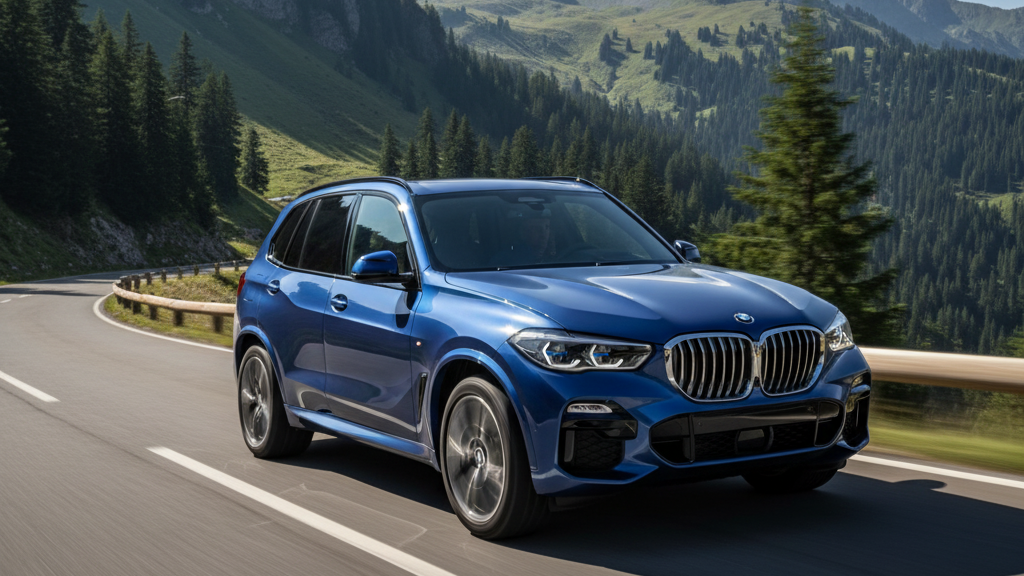
The BMW N63 is perhaps the most controversial engine in BMW’s post-millennium history. It powers some of the finest luxury vehicles ever built - he F10 550i, F01 750i, and the X5/X6 xDrive50i. But beneath the class-leading performance lies an architecture that has been BMW’s biggest warranty liability for over a decade.
1. Internal Engineering: The Hot-V Paradox
To understand why the N63 fails, you must understand the “Hot-V” layout. Unlike a traditional V8 where the exhaust manifolds are on the outside of the engine block, BMW placed the exhaust and turbochargers inside the valley between the cylinder banks.
The Thermal Root Cause
By placing the turbos in the valley, BMW achieved incredible throttle response and a compact footprint. However, this creates a “furnace” effect.
- Heat Soak: When you turn off the engine, the turbos (which operate at red-hot temperatures) transfer their heat directly into the cylinder heads and valve train.
- Oil Cooking: Residual oil in the turbo feed lines literally bakes into carbon (sludge), eventually clogging the lines and starving the turbo bearings.
2. N63 vs N63TU: Know Your Engine Generation
Understanding which generation of the N63 you have is critical to assessing your risk:
- N63B44O0 (2008 - 2012): The original, most problematic generation. Valve stem seals fail universally due to heat exposure.
- N63TU (2012 - 2016): “Technische Upgrade.” Introduced Valvetronic. Still unreliable but introduces better thermal management.
- N63TU2 (2015 - 2019): Significant improvements. More robust, but oil seals remain issues in high-mileage cars.
- N63TU4 (2019+): The most refined version. Dramatically more durable.
Rule: The older the N63, the higher the risk. A 2010 550i N63 carries a significant risk of overlapping component failures once out of warranty.
3. The N63 Ownership Reality Timeline
Owning an N63 is a race against thermal degradation. Unlike other engines where mileage is the primary factor, for the N63, “Heat Hours” determine the failure rate.
Phase 1: The ‘Sweating’ Era (0 - 40,000 Miles)
During this phase, the car feels perfect. However, internal chemistry is already changing.
- Plastic Degradation: The plastic coolant vent lines in the engine valley begin to crystallize. They don’t leak yet, but they will snap if touched during a simple spark plug change.
- Injector Failure: Early Index injectors (Index 1-9) begin to leak fuel into the cylinder while parked.
Phase 2: The ‘Blue Cloud’ Era (40,000 - 70,000 Miles)
- Valve Stem Seals (VSS): The rubber seals that prevent oil from entering the combustion chamber become hard as rocks.
- Symptom: Blue smoke puff after idling at a red light for 2 minutes. Massive oil consumption (1 quart per 600 miles).
- Risk: If ignored, the carbon buildup will eventually foul the catalytic converters ($3k each).
Phase 3: The ‘Catastrophic’ Era (80,000+ Miles)
- Timing Chain Stretch: The chains stretch beyond the tensioner’s reach.
- Symptom: Metal rattling on cold start.
- Outcome: If the chain jumps, the engine is written off ($25,000 replacement).
4. Forensic Failure Database: Top 5 Issues
| Failure | Prob. at 80k mi | Repair Cost | Technical Root Cause |
|---|---|---|---|
| Valve Stem Seals | 85% | $3,500 - $7,000 | Chronic heat from Hot-V baking the rubber seals. |
| Coolant Vent Lines | 100% | $800 - $1,500 | Heat-cycling makes the cheap plastic brittle. |
| Injectors (Early) | 70% | $2,400 - $3,800 | Internal solenoid failure causing over-fueling. |
| Turbo Oil Lines | 60% | $4,000 - $8,000 | Oil carbonization (coking) inside the line. |
| Timing Chain | 40% | $5,000 - $9,000 | Chain stretch due to long oil change intervals. |
Case Study: “The Spun Bearing”
We analyzed an invoice for a 2012 BMW 550i with 94,000 miles. The owner had followed BMW’s 10,000-mile oil change interval. The engine spun a rod bearing due to oil starvation from a clogged turbo line.
- Total Quote: $28,400 for a new engine.
- Market Value of Car: $12,000.
- Result: The car was scrapped.
5. 屏・・Mechanic’s Insider Report: “The CCP Trap”
“The biggest mistake N63 buyers make is assuming the BMW ‘Customer Care Package’ (CCP) fixed everything. It didn’t. The CCP was a band-aid - t replaced injectors and vacuum lines, but it didn’t solve the core heat issue. If you buy a 2011 550i today, the CCP work was likely done 8 years ago. Those ‘new’ parts are now old again. You are back at square one.”
- MW Master Tech, Independent Performance Shop*
High-Value N63 Intel
- The ‘Cool-Down’ Rule: Never shut off an N63 immediately after a spirited drive. Let it idle for 3 minutes.
- 5K Oil Changes: BMW’s 10k interval is the primary reason for timing chain failure. 5k is the absolute maximum.
Ownership Cost Matrix (5-Year Projection)
| Item | Freq | Dealer Cost | Indie Cost |
|---|---|---|---|
| Intermediate Service | 1 Year | $600 | $350 |
| VSS Preventative | 6 Years | $6,500 | $4,500 |
| Injectors (Set of 8) | 5 Years | $4,800 | $3,200 |
| Coolant Vent Lines | 3 Years | $1,200 | $800 |
| TOTAL 5-YEAR EST. | - | $22,000 | $14,500 |
Early N63 vs. N63TU Reliability
The N63TU is a significant improvement but still carries high-risk 'Hot-V' characteristics.
7. Forensic Buying Checklist
If you are inspecting an N63-equipped car, do not skip these steps:
- The 5-Minute Idle Test: Start the car, let it reach operating temp, then let it idle for 5 full minutes. Do not touch the throttle. After 5 minutes, floor the throttle in neutral. If a cloud of blue smoke appears, the valve stem seals are dead. Budget $5k minimum.
- Cold Start Rattle: Listen for a “marbles in a tin can” sound for the first 2 seconds of a cold start. This is timing chain slap.
- Service History Audit: If the oil changes were done every 10k miles, walk away. You want a car with 5k intervals.
- Injector Index Check: Use a flashlight to read the part numbers on the injectors. You want “Index 11” or “Index 12.” Anything lower will fail.
Global Ownership Databases
- Most Reliable Luxury Cars Hub
- Most Unreliable Luxury Cars Hub
- BMW S63 Engine: The M-Division Difference
- BMW vs Mercedes: Reliability Comparison
Unlock the $10,000 Pre-Purchase Inspection Checklist
Don't buy a used luxury car blind. Get the exact forensic checklist used by independent specialists to catch catastrophic failures before you sign the title. Enter your email to download the PDF instantly.
The Final Decision: Worth It?
Worth it if:
- You have a trusted, brand-specialized independent mechanic.
- You maintain a strict $5,000-$10,000 liquid repair reserve.
- You value the driving experience over strict financial rationality.
Not worth it if:
- You are stretching your budget just to afford the purchase price.
- You rely exclusively on the dealership network for out-of-warranty maintenance.
- You expect Toyota-like reliability and predictable ownership costs.
Related Intelligence
Executive Buying Advice
Avoid any N63 without verified service history. Check for blue smoke on cold startup. Request oil consumption records. Verify timing chain update. Budget $5,000 - $10,000 for preventative work.