BMW M5 vs Porsche Panamera Turbo: Reliability & Cost Comparison
"The M5 delivers raw power through a hot-V twin-turbo V8. The Panamera Turbo wraps similar performance in Porsche's historically better reliability record. Here's the data behind the decision."
Quick Verdict
AvoidExtremely high risk of catastrophic failure. Requires massive emergency budget.
Reliability Verdict
The Panamera requires expensive routine service, but the M5 carries a much higher catastrophic failure risk out of warranty.
Overview
Which German super-sedan is cheaper to maintain? A head-to-head reliability and ownership cost comparison between the BMW M5 and Porsche Panamera.
In This Guide
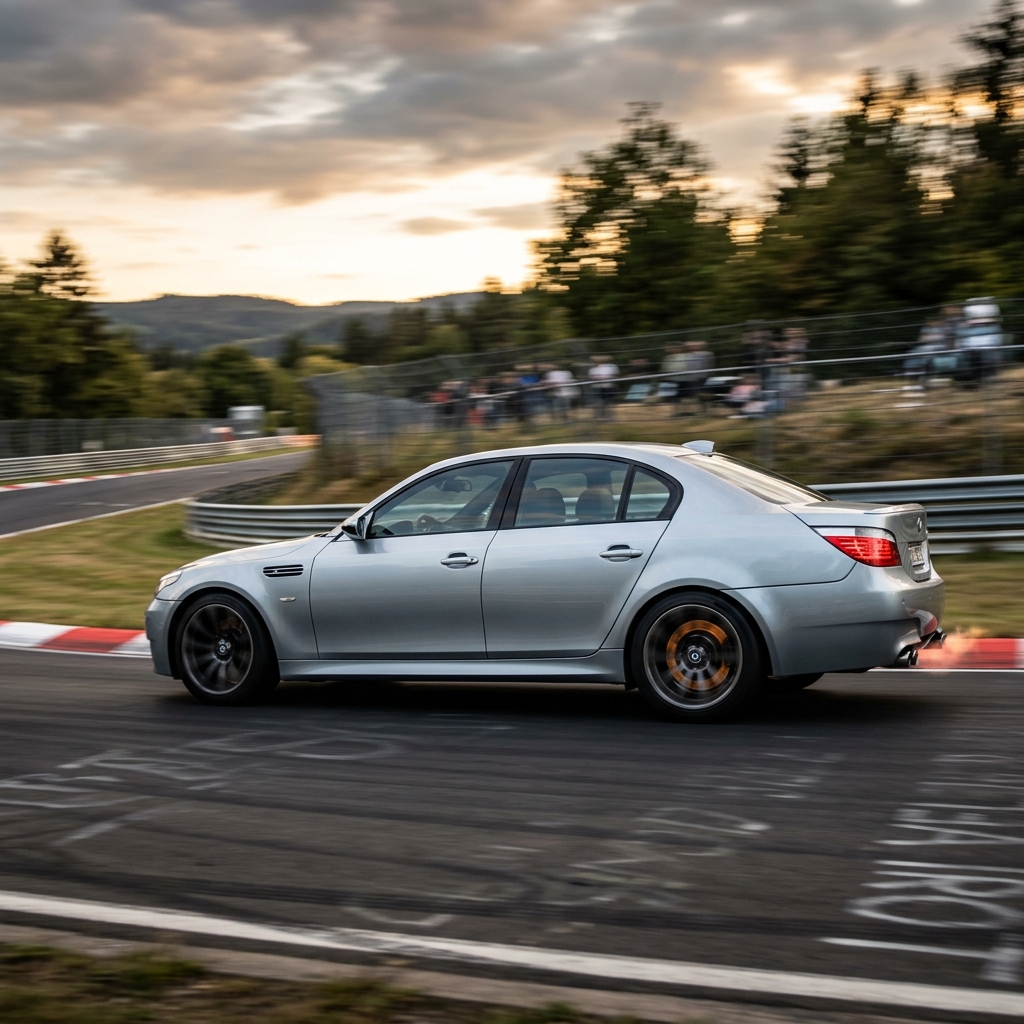
The quintessential modern super-sedan battle: The BMW M5 versus the Porsche Panamera. Both offer breathtaking performance, four doors, and six-figure MSRPs.
But what happens when the warranty expires? Which car is truly less likely to financially ruin its owner?
Here is the definitive reliability and maintenance cost battle between the F10/F90 M5 and the 970/971 Panamera.
Annual Maintenance Costs: The Routine Bills
On the surface, both cars require similar levels of elite-tier consumables.
- BMW M5: Averages $2,500 to $4,000 annually in routine tire, brake, and fluid service.
- Porsche Panamera: Averages $3,000 to $4,500 annually. Porsche parts carry an inherent “Stuttgart tax,” meaning spark plugs, PDK fluids, and brake rotors are incrementally more expensive.
Winner: The BMW M5 is slightly cheaper for day-to-day, minor services.
Engine Reliability & Catastrophic Risk
Here is where the two vehicles diverge dramatically.
The BMW M5 (S63 V8)
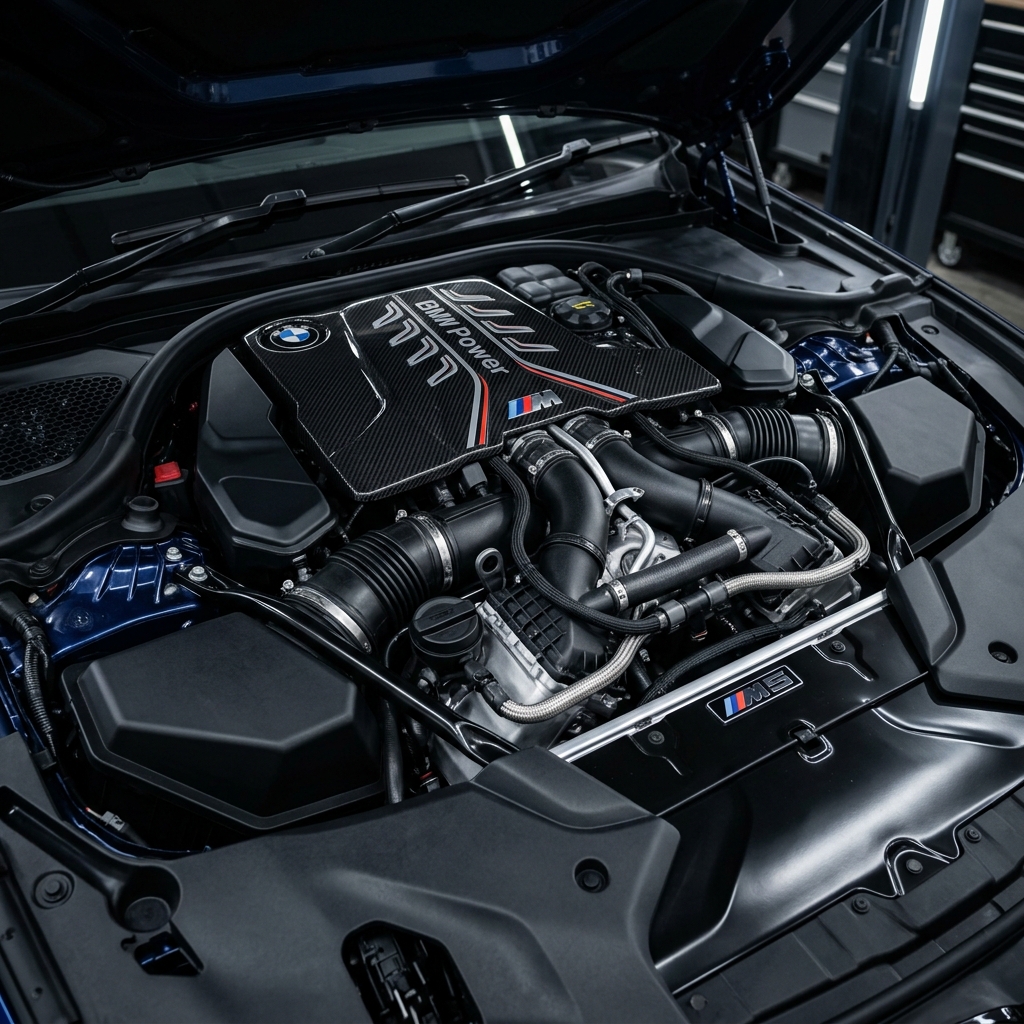
The M5 uses the twin-turbo “hot-V” S63 engine. The F10 generation (2012-2016) is notoriously fragile if neglected.
- BMW M5 Reliability & Real Costs: An inherent design flaw in early S63s requires a $3,000+ preventative BMW M5 Reliability & Real Costs replacement by 60,000 miles. Failure to do so results in a $15,000 blown engine.
- Coolant system failures: The intense heat of the turbos bakes the plastic cooling lines and PCV valves, requiring frequent $2,000 overhauls.
The Porsche Panamera (V8 and V6)
Porsche engines, typically the 4.8L V8 (970 Turbo) and the 4.0L V8 (971 Turbo), are exceedingly solid.
- Coolant Pipes (970 V8): Early Panameras suffered from a glued aluminum coolant pipe failure. Once pinned or replaced with the updated part ($2,000), the engine is bulletproof.
- PDK Transmission: While highly reliable, a full gearbox failure in a Panamera is a $15,000 replacement. PDK fluid changes every 40k miles ($800) are mandatory.
Winner: The Porsche Panamera. It lacks the systemic, catastrophic lower-end engine risks of the BMW M5.
Final Verdict
If you can only afford the vehicle and have minimal cash reserves, you should not buy either. However, for the buyer deciding between the two:
The Porsche Panamera is the safer long-term investment. While routine services are slightly costlier, the catastrophic $15,000+ failures associated with an out-of-warranty BMW S63 engine make the M5 a much higher-risk proposition.
Reliability & Ongoing Maintenance
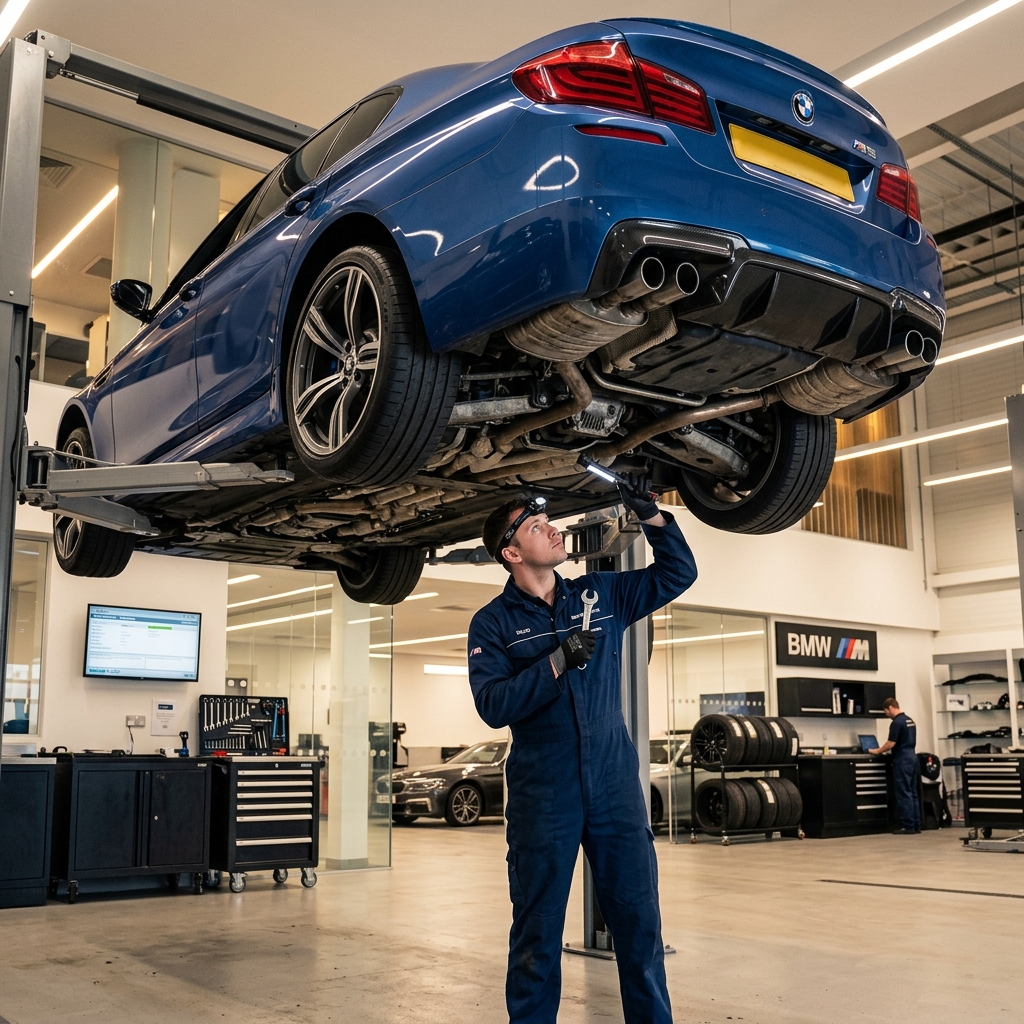
When considering the long-term cost of a BMW M5, it is essential to understand that high-performance engineering carries a steep maintenance premium. Aging luxury vehicles demand proactive, preventative service to avoid catastrophic repair bills.
We highly recommend reviewing our dedicated guides on Luxury Car Maintenance Costs to understand typical annual budgets, or consulting our Common Problems Database to identify specific failure mileages before committing to a purchase. Always factor in a reliable $2,500+ annual cash reserve for out-of-warranty repairs.
Executive Buying Advice
A Panamera GTS or Turbo is the safer long-term bet if you have a local independent Porsche specialist.