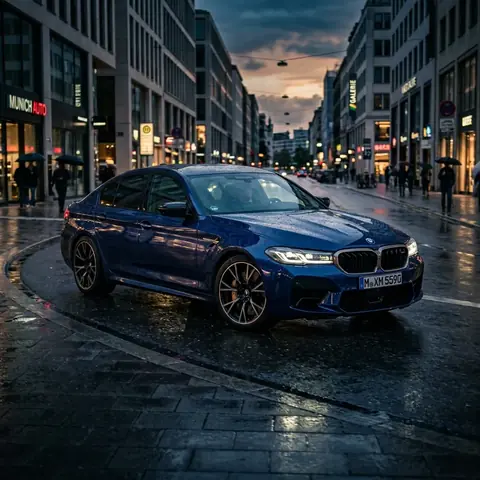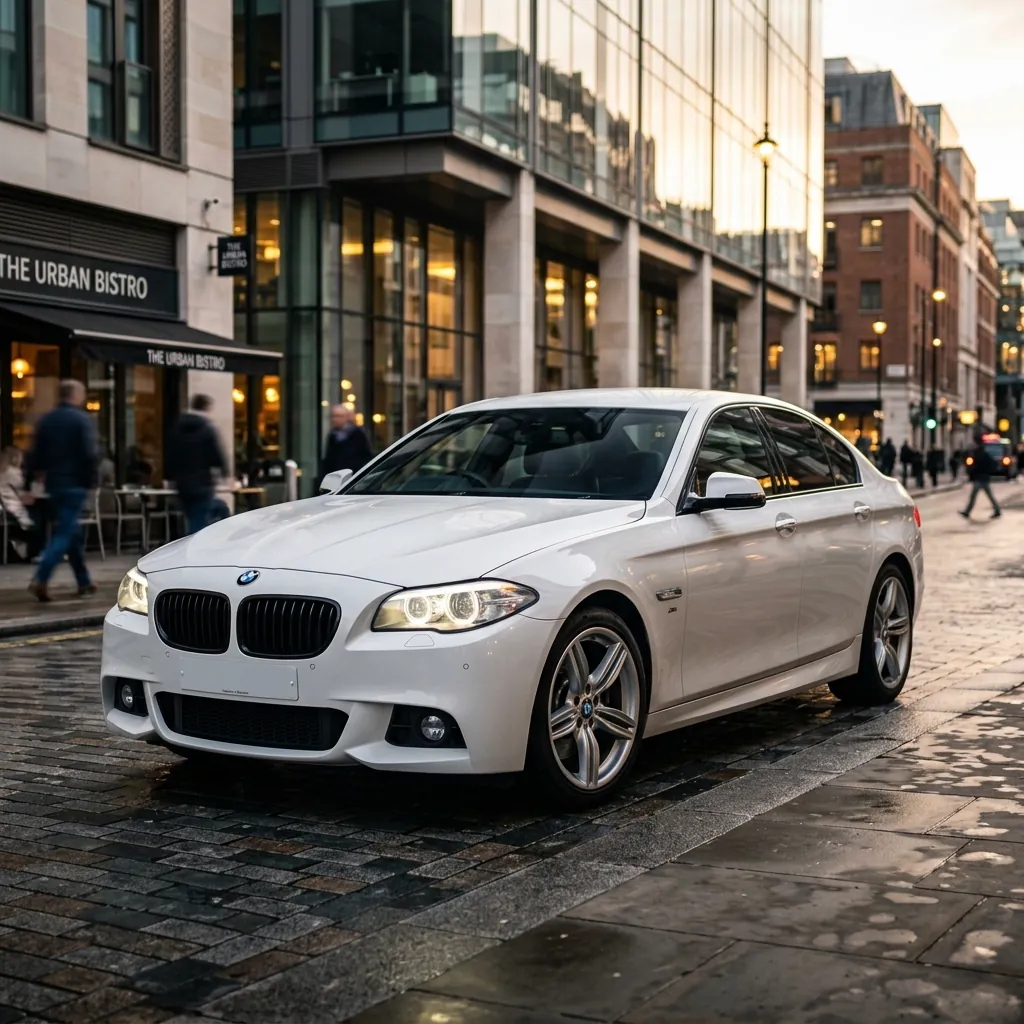
BMW 550i N63: Reliability, Common Failures & Running Cost Guide
"We'll be direct: the BMW 550i has documented reliability issues that can result in five-figure repair bills. This guide explains exactly what fails, when it fails, and whether the ownership experience is worth the financial risk."
Engine
4/10
Gearbox
4/10
Electric
3/10
Total Risk
7/10
Quick Verdict
AvoidExtremely high risk of catastrophic failure. Requires massive emergency budget.
Reliability Verdict
The F10 550i (2011-2013) is statistically one of the least reliable 5-Series ever made due to the OG N63 engine. The LCI (2014-2016) is better but still risky. The G30 M550i (2017+) is a significant improvement.
Executive Intelligence Summary
Is the BMW 550i (F10/G30) reliable? A brutally honest guide to owning the N63 V8 5-Series. Including coolant leaks, oil consumption, and maintenance costs.
In This Guide
The BMW 550i is a car offering supercar performance for the price of a used Honda Civic. There is a reason for that depreciation curve.
Powered by the infamous N63 V8, the F10 550i (2011-2016) is a maintenance-heavy machine that demands an owner who is either a mechanic or wealthy. The G30 M550i (2017+) improved things dramatically, but the stigma remains.
This guide breaks down exactly what fails on the 550i, distinguishing between the terrifying early models and the manageable later ones.
1. The F10 550i (2011-2016): Two Different Animals
You must understand the difference between the Pre-LCI and LCI models.
F10 Pre-LCI (2011-2013)
- Engine: N63B44O0 (“OG” N63)
- Risk Level: EXTREME
- Why: This engine eats batteries, injectors, and timing chains. It has the valve stem seal issue that costs $6,000 to fix.
- Verdict: Do not buy unless it has a full service history documenting these repairs.
F10 LCI (2014-2016)
- Engine: N63B44O1 (N63TU)
- Risk Level: HIGH
- Why: BMW fixed the timing chains and improved the injectors. Valve stem seals are better but still fail eventually.
- Verdict: Buyable, but budget for repairs.
2. Common Failures & Costs
A. Turbo Coolant Lines (Plastic Rot)
The N63’s “Hot-Vee” design cooks the plastic coolant lines that feed the turbos.
- Symptom: You smell maple syrup (coolant). You see white crusty residue on top of the engine heat shields.
- The Reality: The plastic turns to dust. If you touch it, it crumbles.
- Fix: Replace all top-end turbo coolant lines with upgraded silicone or brass-fitting kits if available.
- Cost: $1,200 at a shop.
B. Oil Consumption
The 550i burns oil. It just does.
- Spec: BMW says 1 quart every 750 miles.
- Real World: If you are adding a quart every 500 miles, your valve stem seals are gone or your turbo seals are leaking.
- Test: Let the car idle for 5 minutes. Rev it. If a cloud of blue smoke appears, walk away.
C. Drivetrain Malfunction (Injectors/Coils)
The “Drivetrain Malfunction” warning on the iDrive screen is the 550i owner’s most frequent companion.
- Cause: Misfires. USUALLY just ignition coils (easy DIY).
- BAD Cause: Fuel Injectors. On Pre-LCI cars, the injectors fail open and wash the cylinder walls with fuel.
- Cost: Coils are $50 each. Injectors are $300 each.
3. Maintenance Budget
Owning a 550i is not like owning a 535i (inline-6) or 528i (4-cylinder). It is a supercar engine maintenance schedule.
- Oil Changes: Every 5,000 miles (Mandatory).
- Coolant Top-up: Monthly check.
- Tires: Rear tires last 10,000-15,000 miles due to the torque.
- Battery: Replace every 2-3 years (Heat kills them).
Annual Expectation: $2,000 - $4,000 in non-routine repairs.
4. Should You Buy One?
YES, IF:
- You are looking at a 2014+ model (N63TU).
- You can wrench yourself (DIY saves thousands).
- You want 445hp and a V8 soundtrack.
NO, IF:
- You are stretching your budget to buy the car.
- You rely on the dealer for service.
- You need 100% reliable transportation for work.
Related Guides:
- The N63 Engine Pillar Page
- BMW 750i Reliability: Common Problems & Repair Cost Guide ($5,000 - $25,000+)
- Valve Stem Seal Guide
Keep Reading
- Ferrari 458 Italia vs Porsche 911 Turbo: Drama vs Precision
- Ferrari 458 Italia vs BMW M8: The Icon vs The Beast
- Porsche 911 Turbo vs BMW M5: The Surgeon vs The Sledgehammer
Executive Buying Advice
Skip the 2011-2013 F10 entirely. Look for a 2014+ LCI model with the N63TU engine. Budget $3,000/year for maintenance. Inspect cooling lines immediately.