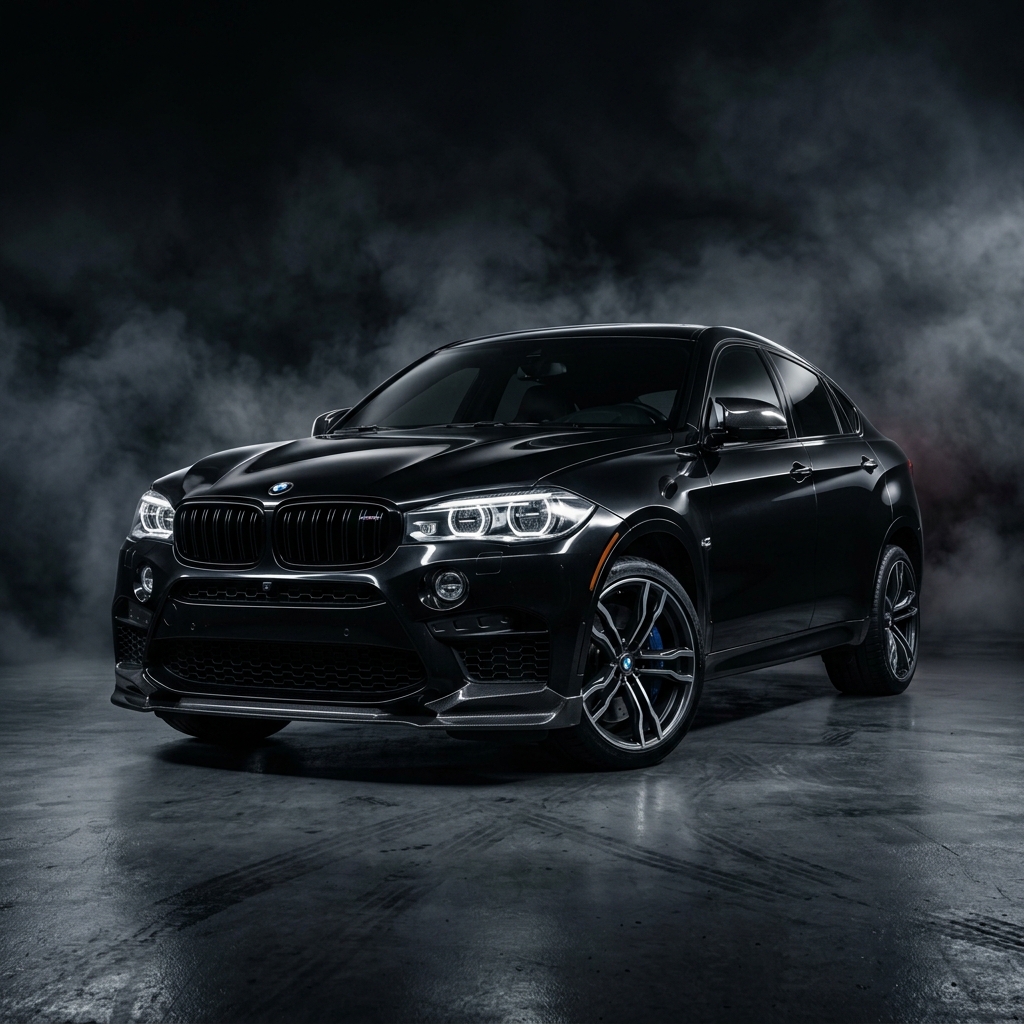
BMW X5M F85: Common Problems, Running Costs & Reliability
"The F85 X5M: 567hp in a family SUV. The S63 V8 handles the power well, but the suspension, brakes, and transfer case bear enormous loads. Here's what fails first."
Engine
6/10
Gearbox
6/10
Electric
5/10
Total Risk
5/10
Quick Verdict
Buy with CautionExpect significant running costs. Manageable if preventative maintenance is done.
Reliability Verdict
The X5M combines BMW's most powerful V8 with a 5,100+ lb SUV body. The S63TU in the F85 bears extra stress from SUV towing and loading duty. Rod bearings wear faster than in the lighter M5. Brakes and tires are consumed at an alarming rate. The F95 generation adds air suspension to the risk profile. This car requires strict preventive maintenance - the penalty for neglect is catastrophic.
Executive Intelligence Summary
BMW X5M F85 reliability guide. S63TU rod bearing risk, transfer case failure, air suspension (F95), and real ownership costs for the X5M and X5M Competition.
In This Guide
BMW X5M F85 Problems: When a Race Engine Meets an SUV
The BMW X5M is a paradox. It uses BMW M-Division’s most powerful engine - the S63 twin-turbo V8 - side a body that weighs over 5,100 lbs and is often used for towing, hauling families, and highway cruising.
The engine is designed for track-day intensity. The usage profile is often more Land Rover than Le Mans.
This mismatch creates a specific, expensive, predictable set of problems.
1. The Weight Penalty: Why X5M Burns Through Parts Faster
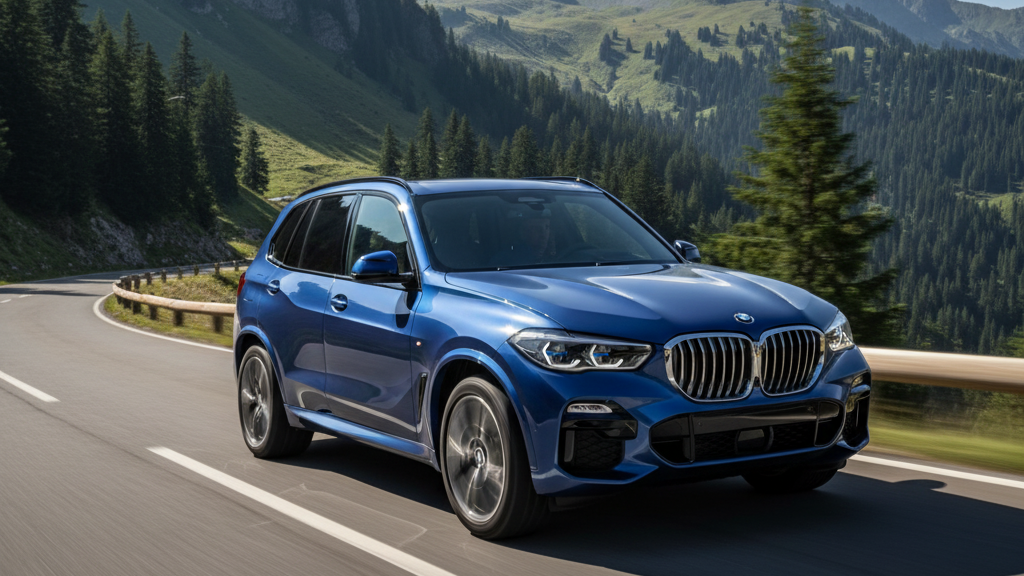
The F10 M5 weighs 4,300 lbs. The F85 X5M weighs 5,100 lbs.
That extra 800 lbs means:
- Brakes see 18% more thermal load per stop.
- Tires wear at the outer edge due to the heavier platform loads.
- Suspension bushings compress and tear faster.
- BMW M5 Reliability & Real Costs experience higher sustained load, especially under acceleration or towing.
This is not a design flaw. It is physics. A race engine in a truck body is always going to work harder.
2. BMW M5 Reliability & Real Costs Risk: Higher Than the M5
The S63TU in the X5M has the same fundamental rod bearing vulnerability as in the F10 M5 , but the X5M owner profile often accelerates the risk:
- Towing: Sustained load at low RPM with high torque demand. This is one of the most damaging conditions for rod bearings.
- Cold starts with immediate load: Families who drive the X5M as a daily transport vehicle may not warm the engine before loading the drivetrain.
- Tuning: The X5M is commonly stage 1 tuned for trunk-slamming launches at stoplights.
Expected bearing service mileage: 55,000 miles on the X5M vs 60,000 - ,000 for a more gently driven M5.
Cost: Same as M5: $4,000 - ,000 preventive. $15,000 - 5,000 catastrophic.
3. Transfer Case: The xDrive Weak Link
The all-wheel drive system on the X5M uses an electronically controlled active transfer case (PTU/ATC).
- Failure: The input shaft seal and PTU output seals leak after 60,000 miles.
- Symptom: Oil drip from the underside of the car near the transmission, AWD system warning, subtle driveline vibration.
- Risk if ignored: The transfer case runs dry and seizes. Internal gears strip. Replacement cost: $8,000 - 5,000.
- Fix: Seal replacement with fresh fluid - ,500 - ,500 at an independent.
Prevention: Add the transfer case fluid to your maintenance rotation - ange it every 30,000 miles regardless of BMW’s “lifetime” recommendation.
4. Suspension & Brakes: Running Consumable Math
The X5M was fitted with conventional steel spring suspension on the F85. The F95 (2020+) moved to air suspension.
F85 (2015 - 19): Steel Coilovers
- Front control arms: Eccentric bushings fail at 40,000 - ,000 miles. Symptom: steering wander, bump-induced steering. Cost: $1,500 - ,500 (both sides).
- Rear trailing arms: Subframe-mounted. Fail later (60,000 - ,000 miles). Cost: $2,000.
F95 (2020 - 23): Air Suspension
- Air struts: Same time-bomb as all German air suspension. The rubber bladder degrades. One corner will sag.
- Compressor burnout: If a strut leaks and you keep driving, the compressor runs continuously and burns out.
- Cost: $2,500 - ,000 per corner. Full refresh: $10,000 - 5,000.
- Timeline: 5 - years from new.
Brakes (Both Generations)
The front rotors are 410mm - arly as large as a Porsche GT3’s.
- Front pads wear out every 12,000 - ,000 miles under spirited driving.
- Front rotors: every 30,000 - ,000 miles.
- Annual brake budget: $2,000 - ,500.
5. Towing Risk Assessment
The X5M has a factory tow rating of 7,200 lbs. But pulling near maximum load has consequences:
- Transmission heat: Towing uses the DCT oil cooler at maximum capacity. Old fluid degrades faster.
- Engine heat: S63 auxiliary water circuit (intercooler circuit) runs at elevated temperature under sustained load.
- Bearing load: As noted, sustained towing torque is hard on rod bearings.
If you are buying a used X5M, ask about towing history. Check the receiver hitch for wear marks. A tow-heavy example needs immediate service.
6. 5-Year Ownership Cost Projection (F85, 50k miles)
| Year | Work | Cost |
|---|---|---|
| Year 1 | Rod Bearings, Fluids, Brakes | $7,500 |
| Year 2 | Tires x2 sets, Annual Service | $5,000 |
| Year 3 | Transfer Case Seal, Suspension Arms | $4,000 |
| Year 4 | Brakes, Injector Check, Service | $4,500 |
| Year 5 | Turbo Lines, Cooling Refresh | $3,500 |
| Total | $24,500 |
7. F85 vs F95: Which to Buy?
| Aspect | F85 (2015 - 18) | F95 (2020 - 23) |
|---|---|---|
| Engine | S63TU (High Risk) | S63TU4 (Moderate Risk) |
| Suspension | Steel (Durable) | Air (Time Bomb) |
| Price | Cheap | Expensive |
| Best For | Budget-conscious, mechanically engaged | Long-term ownership, less DIY |
Verdict: If you buy an F85, immediately address rod bearings and suspension bushings. If you buy an F95, verify LPFP recall and plan for air suspension.
Related Resources
- BMW S63 Engine Reliability: Complete Guide
- BMW X6M F86 Reliability & Real Costs
- BMW M5 F90 Reliability & Real Costs
Executive Buying Advice
F85 X5M: Non-negotiable immediate spend is rod bearing service if the car has over 55,000 miles and no proof of service. F95 X5M: Check air suspension calibration, corner heights, and compressor noise in addition to bearing history. Towing history is a major risk indicator - k to see the registration and any trailer hitch installation.