BMW 750i N63: Known Problems, Failure Rates & What to Expect
"The 750i is BMW's flagship sedan. The N63 V8 has improved dramatically across generations, but the early models (2009-2012) remain among the riskiest used luxury cars on the market."
Engine
3/10
Gearbox
3/10
Electric
2/10
Total Risk
8/10
Quick Verdict
RunExtremely high risk of catastrophic failure. Requires massive emergency budget.
Reliability Verdict
The F01 750i (2009-2015) is widely considered a financial trap due to the OG N63 engine and complex electronics. The G11 (2016+) is vastly superior but still carries heavy depreciation and maintenance costs.
Executive Intelligence Summary
A survival guide for the BMW 750i (F01/G11) with the N63 V8. Detailed costs for Valve Stem Seals, Air Suspension, and Injectors.
In This Guide
BMW 750i Reliability: The Flagship that Sinks Wallets
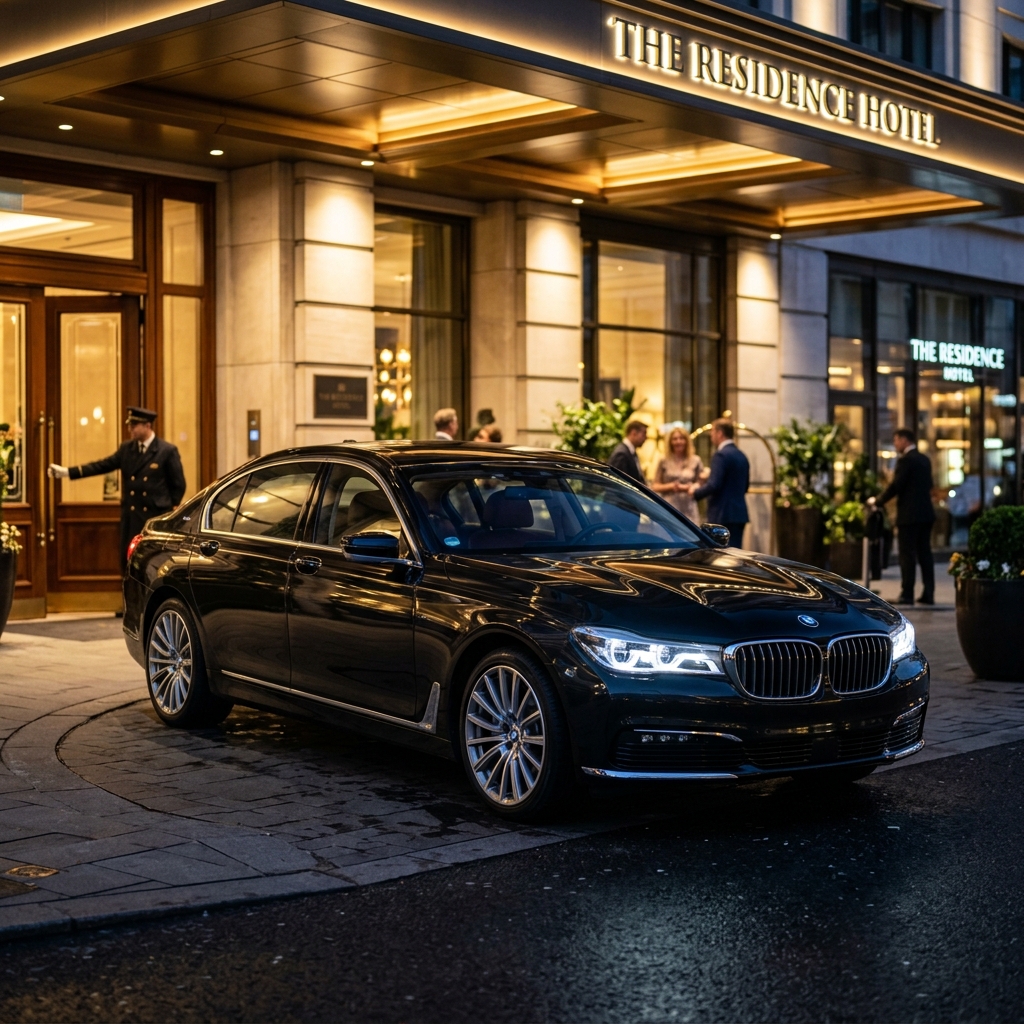
The BMW 750i is the pinnacle of the “Ultimate Driving Machine.” It offers a twin-turbo V8, massage seats, and an autobahn-crushing ride.
But on the used market, it is dangerously cheap. You can buy a $100,000 F01 750i for $8,000. Why? Because the N63 engine inside it can cost more than the car’s value to fix.
This guide explores the specific hellscape of owning an out-of-warranty V8 7-Series.
1. The Engine Issues (N63)
The 750i uses the same N63 Hot-Vee engine as the 550i and X5 50i. Refer to our N63 Engine Pillar Page for the deep dive.
Why the 750i is Worse than the 550i
The 7-Series has more stuff to break.
- Battery Drain: The 750i has more modules, more fans, more lights. The N63’s cooling fans run after shutdown. This kills batteries rapidly.
- Heat Soak: The engine bay is packed tighter. The heat from the Hot-Vee has nowhere to go, baking the plastic firewall covers and wiring harnesses.
2. 7-Series Specific Failures
Beyond the engine, the F01/G11 chassis has its own gremlins.
A. Air Suspension Collapse
The rear air springs (and front struts on some models) fail.
- Symptom: You walk out in the morning and the car looks “slammed” on one corner.
- Risk: Burn out the air compressor ($1,000) if you drive it.
- Cost: Arnott aftermarket struts are $500/corner. OEM is $1,500/corner.
B. Soft Close Doors
The motors that suck the doors shut fail.
- Symptom: The door won’t latch or makes a grinding noise.
- Cost: $600 per door.
C. Active Roll Stabilization (ARS)
The hydraulic sway bars leak.
- Symptom: Red fluid on the ground.
- Fix: The entire sway bar assembly must be replaced. It is complex.
- Cost: $2,500+.
3. The “Bargain” Trap
Scenario: You see a 2011 BMW 750i with 90k miles for $9,500. It looks clean. Reality: It likely needs:
- Valve Stem Seals ($6,000)
- Upper Control Arms ($800)
- New Battery ($500)
- Rear Tires ($600)
Total Immediate Cost: $7,900. You have effectively doubled the price of the car in the first month.
4. Verdict: G11 or Bust
If you want a V8 7-Series, you have two safe options:
- Lease a new one.
- Buy a 2017+ G11 750i. The N63TU2 engine is reliable, the chassis is lighter (Carbon Core), and the electronics are more stable.
Related Guides:
- The N63 Engine Pillar Page
- BMW 550i Reliability: Common Problems & Repair Cost Guide ($5,000 - $25,000+)
- Valve Stem Seal Guide
Keep Reading
- Ferrari 458 Italia vs Porsche 911 Turbo: Drama vs Precision
- Ferrari 458 Italia vs BMW M8: The Icon vs The Beast
- Porsche 911 Turbo vs BMW M5: The Surgeon vs The Sledgehammer
Executive Buying Advice
Avoid early F01s (2009-2012). If you buy an F01, ensure the Valve Stem Seals and Injectors have been done. The G11 750i (2016+) is the smart buy, but get a warranty.