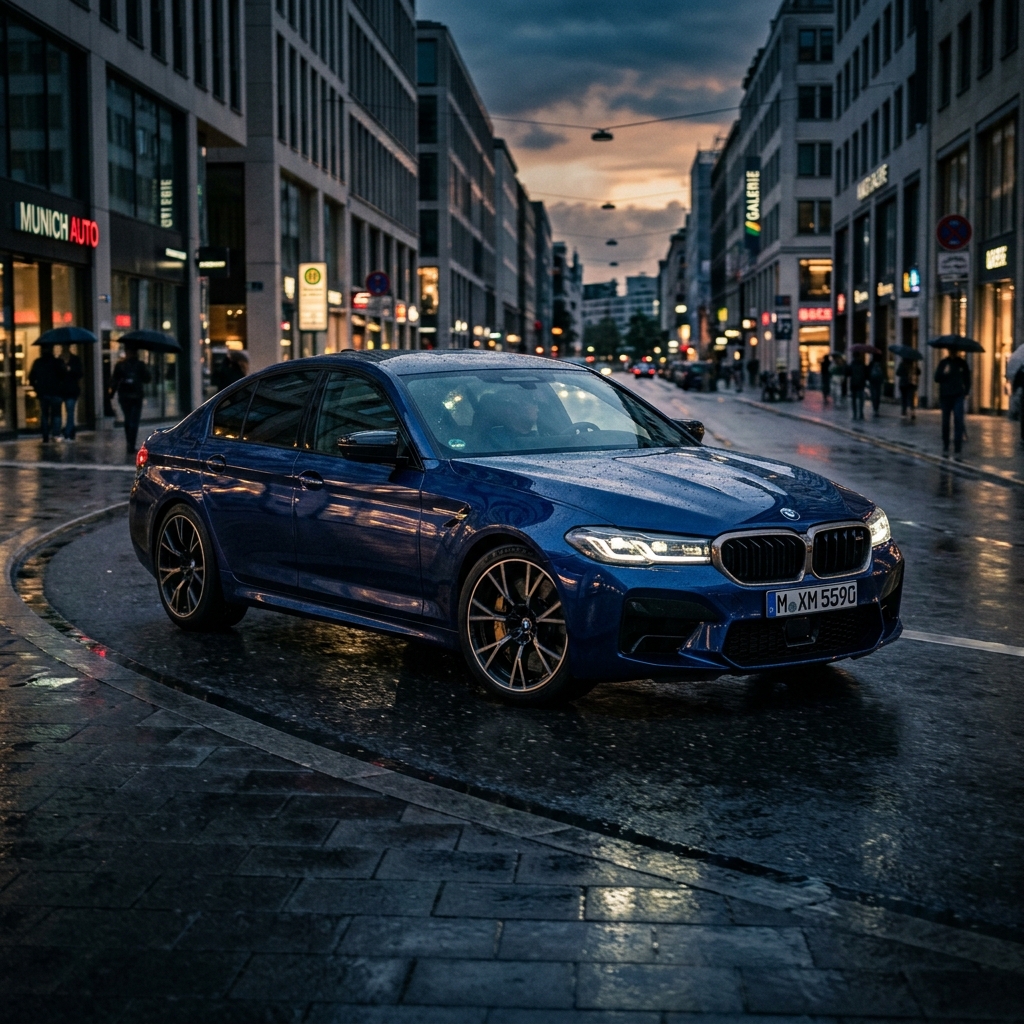
BMW M5 F90: Complete Reliability Guide & Known Problem Areas
"The F90 M5 is the first all-wheel-drive M5, and arguably the most reliable. But the coolant expansion tank sitting directly above the fuel injectors is a design choice that has destroyed more than a few engines."
Engine
7/10
Gearbox
7/10
Electric
6/10
Total Risk
4/10
Quick Verdict
Buy with CautionExpect significant running costs. Manageable if preventative maintenance is done.
Reliability Verdict
Intermediate risk profile. Balanced ownership experience with some known failure points in cooling and high-pressure fuel systems.
Executive Intelligence Summary
Is the 600hp AWD BMW M5 F90 reliable? A deep dive into the S63TU4 engine, ZF transmission reliability, and true ownership costs.
In This Guide
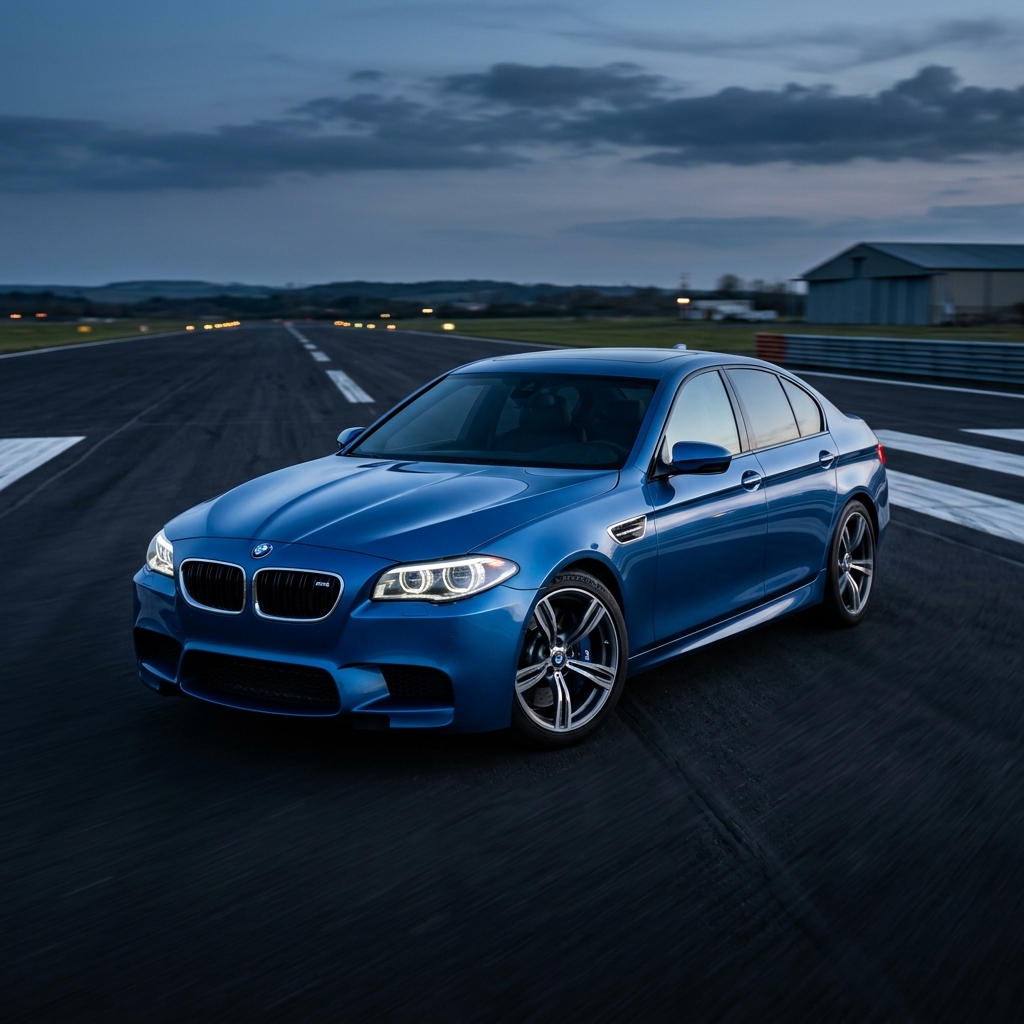
The F90 generation BMW M5 represents a monumental shift for the legendary super sedan. It was the first M5 to ditch rear-wheel drive for the xDrive all-wheel-drive system, and it ditched the clunky Dual-Clutch Transmission for a ZF 8-speed torque converter.
Powering this 4,300lb missile is the S63TU4, hitting 600 hp (617 hp in Competition trim) straight from the factory.
But for the used market buyer, the biggest question is whether the F90 solved the catastrophic BMW M5 Reliability & Real Costs and engine failure issues of its predecessor, the F10 M5.
The S63TU4 Engine: Did BMW Fix It?
The short answer is: Yes, mostly.
The S63TU4 inside the F90 M5 is a massive technical departure from the older M5 engines. BMW completely redesigned the oiling system, heavily increasing oil pressure and utilizing a quasi-dry sump setup to ensure the BMW M5 Reliability & Real Costs are never starved of lubrication during 1.0G+ cornering. They also abandoned piezo injectors for far more reliable solenoid units, eliminating the “bore washing” syndrome.
Failure Probability Timeline
Most F90 M5s experienced the infamous LPFP issue early in their life. Ensure the factory recall has been performed.
- Low Pressure Fuel Pump failure (Recall)
- Infotainment iDrive crashes
The plastic coolant expansion tank is the F90's Achilles heel due to its terrible placement directly above the fuel injectors.
- Coolant expansion tank seam cracking
- Front CV boot tearing (xDrive load)
General [S63](/problems/bmw-s63/) V8 degradation points begin appearing, primarily related to the "Hot-V" turbo layout.
- Turbo coolant feed line leaks
- PCV valve / crankcase breather replacements
*Data based on owner-reported failures and specialist shop frequency reports.
The F90’s Fatal Flaw: The Coolant Expansion Tank
While the rod bearings and injectors are solid, the F90 M5 has a massive, highly publicized flaw: the original coolant expansion tank.
BMW placed the plastic tank directly above the driver-side bank of spark plugs and fuel injectors. The tank seam micro-cracks under the massive heat of the engine bay. Coolant slowly drips directly down into the injector wells.
- The Result: The coolant shorts out the fuel injectors, destroys the ignition coils, and can damage the primary ECU.
- The Fix: BMW revised the tank part number in late 2020. If you are buying a 2018-2020 F90, you must immediately check if the tank is the revised version or if it is currently leaking. Aftermarket billet aluminum tanks are available for ~$600 and are highly recommended.
Transmission & Drivetrain
Dropping the DCT for the ZF 8HP75 was controversial among purists, but it is a massive boon for reliability. The ZF 8-Speed is universally regarded as bulletproof.
- It shifts smoothly, handles the 553 lb-ft of torque effortlessly, and has no systemic failure points.
- Maintenance Note: Ignore BMW遯カ蜀ア “Lifetime Fluid” claim. You must have the ZF transmission fluid and pan/filter replaced every 50,000 miles to ensure it survives past 100k.
M xDrive System
The F90’s all-wheel-drive system works flawlessly, but launching a 4,300lb car puts immense strain on the front axles. Front CV joints and boots often begin clicking and tearing around 40,000 miles on cars that regularly use Launch Control.
Verdict: The Safest Used M5 Ever?
Shockingly, yes. The F90 M5 is proving to be radically more reliable than the E60 V10 and the F10 V8.
If you find a well-maintained example, verify the coolant tank has been replaced with the updated part, and the LPFP recall has been performed, the F90 M5 is a relatively safe buy. Budget $2,500 a year for rapid tire/brake consumption, utilize 5,000-mile oil intervals, and enjoy one of the greatest super sedans ever built.
Keep Reading
- Ferrari 458 Italia vs Porsche 911 Turbo: Drama vs Precision
- Ferrari 458 Italia vs BMW M8: The Icon vs The Beast
- Porsche 911 Turbo vs BMW M5: The Surgeon vs The Sledgehammer