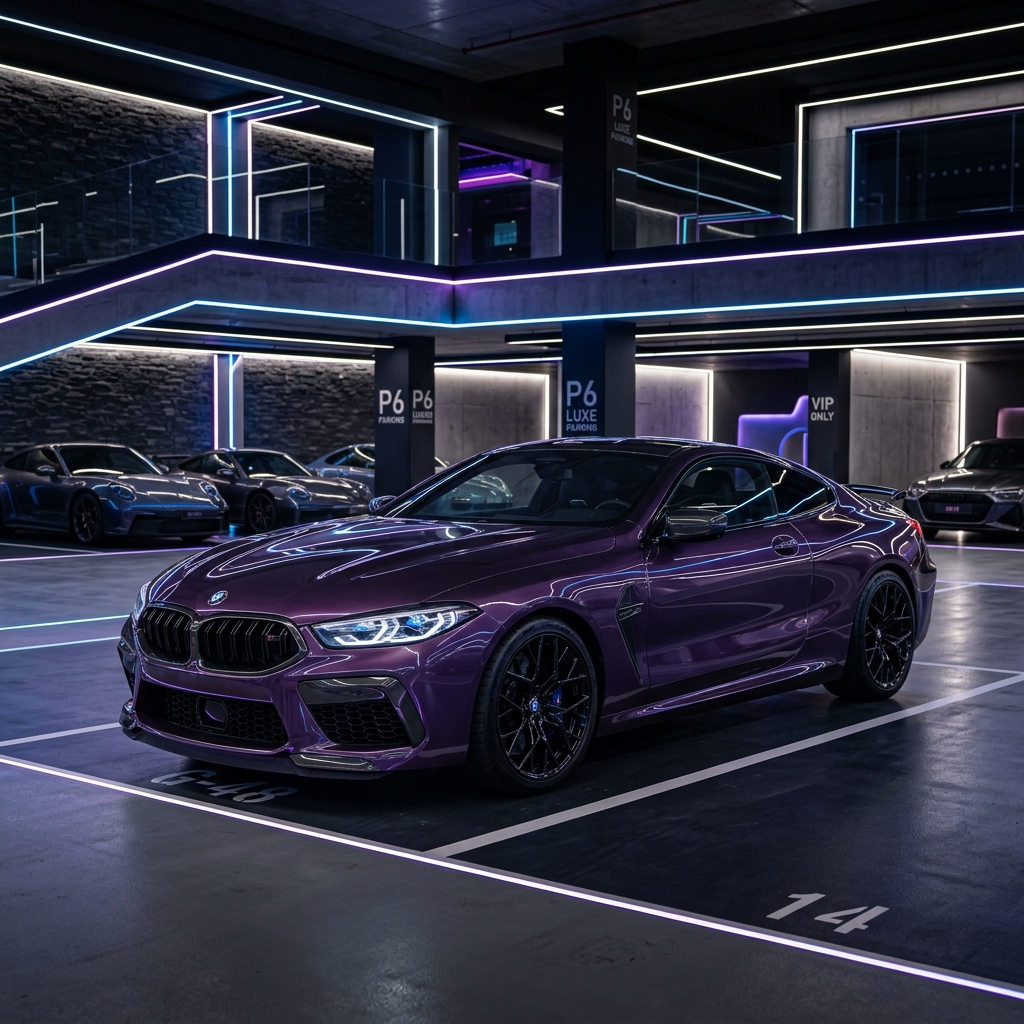
BMW M8 vs Porsche 911 Turbo: GT Cruiser vs Sports Car
"Choosing between the BMW M8 and the Porsche 911 Turbo is a decision that could save - or cost - you thousands. This side-by-side comparison reveals the real reliability winner, with hard data on failure rates and ownership costs."
Engine
8/10
Gearbox
8/10
Electric
7/10
Total Risk
3/10
Quick Verdict
BuyA highly reliable luxury option. Buy with confidence but verify service history.
Reliability Verdict
The Porsche 911 Turbo is the benchmark reliability car in this segment. It outperforms the BMW M8 in long-term value retention and predictable low-cost maintenance. The BMW M8 wins on interior luxury, practicality, and perceived exclusivity. However, the BMW loses $30,000 more than the Porsche in the first 3 years. If you care about money at all, buy the Porsche.
Executive Intelligence Summary
BMW M8 vs Porsche 911 Turbo reliability and ownership cost comparison. S63TU4 vs flat-six 3.8TT. Which supercar is cheaper to own over 5 years?
In This Guide
BMW M8 vs Porsche 911 Turbo: The $200k Maintenance Battle
At $200,000, there are only a handful of real choices for a daily-drivable, supercar-performance GT.
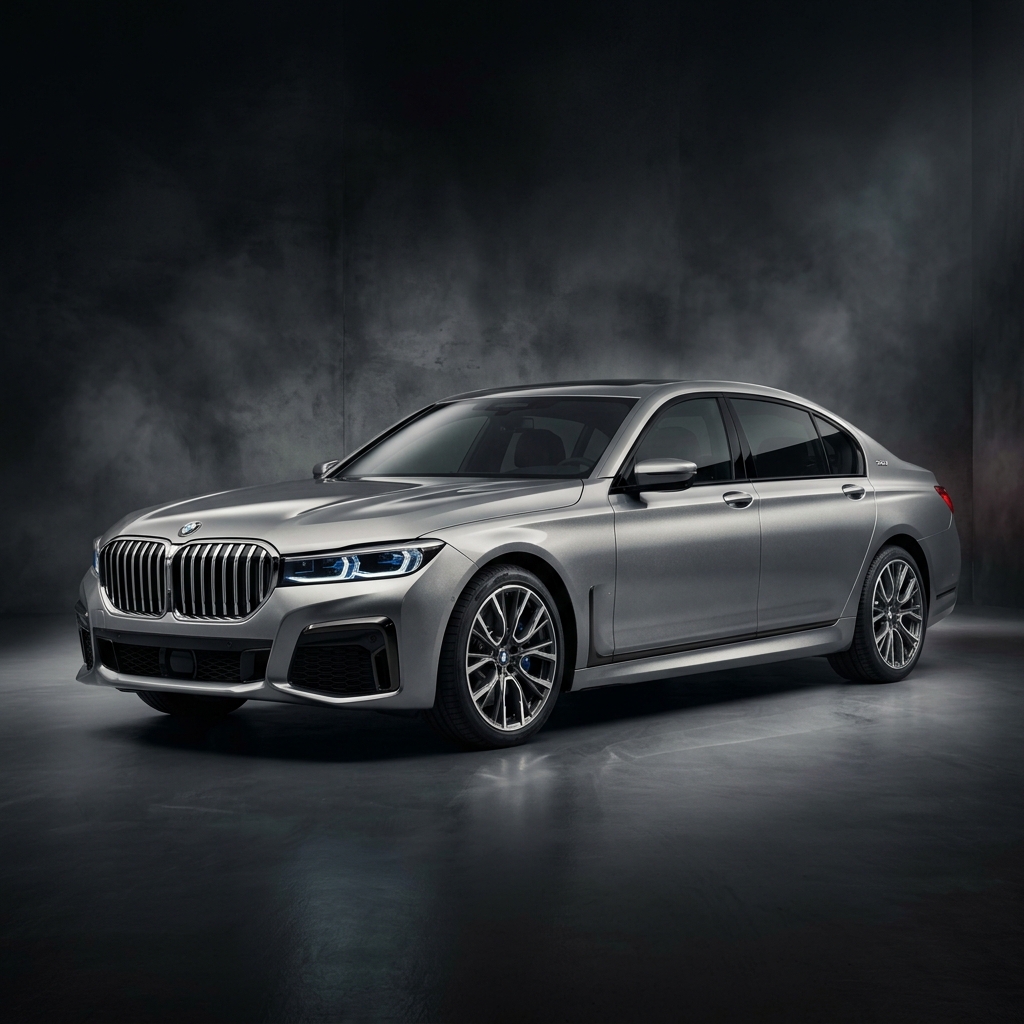
The BMW M8 Competition at ~$145,000 new (now $70,000 - 0,000 used). The Porsche 911 Turbo S at ~$230,000 new (now $150,000+ used).
Different price points. But comparable used-market performance and experience. We are going to analyze them where it matters most: reliability, maintenance cost, and long-term value.
1. The Engine Science
| Spec | BMW M8 | Porsche 911 Turbo S |
|---|---|---|
| Engine | S63TU4, 4.4L TT V8 | 9A2, 3.8L TT Flat-6 |
| Power | 617 hp | 640 hp |
| Torque | 553 lb-ft | 590 lb-ft |
| Layout | Front-engined | Rear-engined |
| Transmission | 8-speed TCU | 7-speed PDK |
| **0 - ** | 2.8 seconds | 2.6 seconds |
The Porsche is lighter, faster, and more mechanically focused. The BMW is heavier, more comfortable, and more luxurious.
2. Engine Reliability: S63TU4 vs 9A2 Flat-Six
BMW S63TU4 Reliability
The F90-generation S63TU4 is BMW’s best S63. Revised BMW M5 Reliability & Real Costs clearances, solenoid injectors, quasi-dry-sump oiling. The F10-era rod bearing catastrophe is substantially mitigated.
- Main known issue: LPFP recall (safety-critical, must be completed, free via BMW dealer).
- Tuned car risk: Stage 2+ tunes on the S63TU4 still carry bottom-end risk.
- Stock car outlook: Excellent. Forum data from F90 M5 owners (same engine) shows few major engine failures with proper maintenance.
Porsche 9A2 Flat-Six Reliability
The Porsche 911 Turbo (9A1/9A2) is the benchmark for supercar reliability. The flat-six has:
- No rod bearing anxiety
- No cylinder washing from injector failure
- No significant turbo failure pattern at stock power levels
Known issues are minor: PDK actuator wear on high-mileage examples, IMS bearing (relevant to older 997 generation, not 992), occasional coil pack failure.
Reliability verdict: Porsche wins comfortably. The 911 Turbo 9A2 is substantially more reliable than the S63TU4 across all mileage ranges - t because BMW is catastrophically bad, but because Porsche sets an impossibly high bar.
3. The Depreciation War: BMW Gets Crushed
This is the most important number in the comparison:
| Vehicle | New Price | Value After 3 Years | Depreciation |
|---|---|---|---|
| BMW M8 Competition | $145,000 | ~$75,000 | ~$70,000 |
| Porsche 911 Turbo S | $230,000 | ~$185,000 | ~$45,000 |
The Porsche starts at a higher price but loses only $45,000 in 3 years. The BMW starts cheaper but loses $70,000 in the same period.
If you hold both for 3 years:
- BMW M8: You paid $145k, the car is worth $75k. You “spent” $70,000 in depreciation.
- Porsche 911 Turbo S: You paid $230k, the car is worth $185k. You “spent” $45,000 in depreciation.
The Porsche, despite being $85,000 more expensive new, costs $25,000 LESS to own for 3 years purely from depreciation dynamics.
4. Maintenance Cost Comparison
| Service | BMW M8 | Porsche 911 Turbo |
|---|---|---|
| Annual Service | $2,500 - ,500 | $1,500 - ,500 |
| Brakes (Annual Amortized) | $2,000 - ,500 | $1,800 - ,200 |
| Tires (Annual Amortized) | $1,500 - ,000 | $1,500 - ,000 |
| 5-Year Total | $30,000 - 0,000 | $24,000 - 3,000 |
Maintenance winner: Porsche, by approximately $6,000 - ,000 over 5 years.
5. The Experience Question
This is where the BMW fights back:
- Rear seat: The BMW has usable rear seats for adults. The Porsche rear seats are for small children or luggage.
- Interior quality: The BMW interior is broader, more lavish, with more ambient lighting options.
- Daily comfort: In city traffic, the BMW’s suspension is more forgiving. The Porsche is always focused.
- Exclusivity: The M8 is a relatively rare sight. The 911 Turbo is everywhere.
6. The Final Verdict
| Category | BMW M8 | Porsche 911 Turbo S | Winner |
|---|---|---|---|
| Performance | Excellent | Better | 竊・Porsche |
| Reliability | Very Good | Benchmark | 竊・Porsche |
| Depreciation | Poor | Excellent | 竊・Porsche |
| Maintenance Cost | Good | Better | 竊・Porsche |
| Interior Luxury | Best in Class | Good | 竊・BMW |
| Practicality | Very Good | Limited | 竊・BMW |
| Overall Value | 竊・Porsche |
Buy the BMW M8 if: You value rear passenger accommodation, the GT grand-touring experience, and are keeping the car 7+ years.
Buy the Porsche 911 Turbo if: You want reliability, value retention, and the best driver’s car available at any price. For most buyers, the Porsche is the rational, financially superior choice.
Related Resources
- BMW S63 Engine Reliability
- BMW M8 F92 Reliability & Real Costs
- BMW M5 vs Audi RS7 Comparison
- Porsche 911 Turbo 991 Reliability: Common Problems & Repair Cost Guide ($1,500 - $5,000)
Executive Buying Advice
Buy the Porsche 911 Turbo for financial prudence. Buy the BMW M8 if you explicitly value the GT grand-tourer experience, rear-seat accommodation, and do not need to sell the car within 5 years.