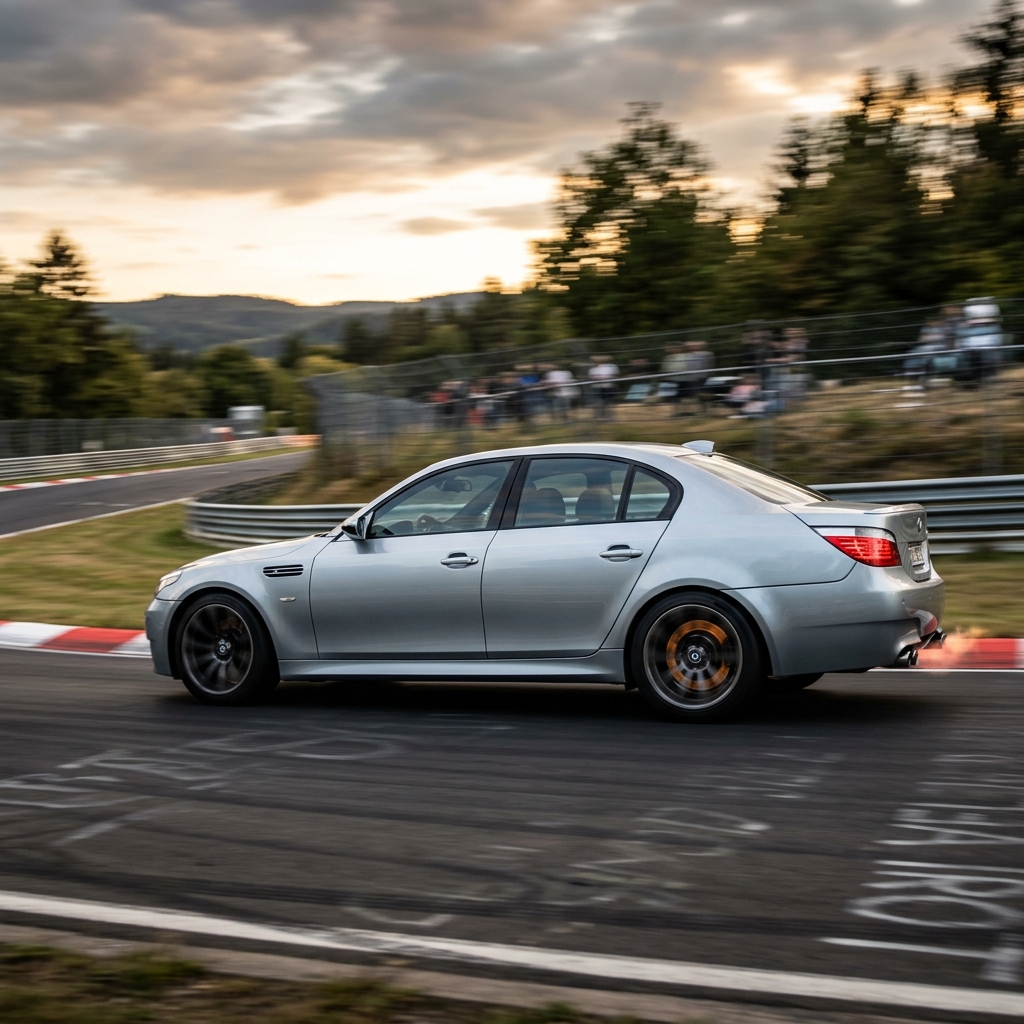
BMW S63 V8: Complete Reliability Guide & Failure Analysis
"The S63 is the most powerful engine BMW puts in a production car. It's also the most expensive to maintain. Annual costs range from ,200 to ,000, and that's before anything breaks."
Engine
5/10
Gearbox
5/10
Electric
4/10
Total Risk
6/10
Quick Verdict
Buy with CautionExpect significant running costs. Manageable if preventative maintenance is done.
Reliability Verdict
The BMW S63 is a high-maintenance exotic engine disguised as a sedan motor. The rod bearings are a periodic maintenance item, not a lifetime part. Failure results in a $25,000 engine replacement. If you treat it like a Camry, it will die. If you treat it like a Ferrari, it will thrill you.
Failure Probability Timeline
Run-in period. Vital to establish 5,000-mile oil change baseline immediately.
Initial rod bearing wear reports. Index 11 injector failure window starts.
The 'Critical Failure Zone' for both rod bearings and turbocharger oil starvation.
Full engine refresh required if not already performed. High risk of catastrophic failure.
*Data based on owner-reported failures and specialist shop frequency reports.
Executive Intelligence Summary
The ultimate guide to BMW S63 engine reliability (M5, M6, M8, X5M). Rod bearing failure, injector washout, and crank hub slip analysis for high-output M-cars.
In This Guide
BMW S63 Reliability: The $25,000 Rod Bearing & Turbo Failure Blueprint
Important
Featured Intelligence: Is the BMW S63 Reliable? Only for the highly proactive owner. The F10-era S63TU suffers from systematic rod bearing failure ($25,000 engine replacement) unless replaced preventively at 60,000 miles ($5,000). The F90-era S63TU4 is much more durable but still requires 5,000-mile oil changes and vigilence regarding injector health.
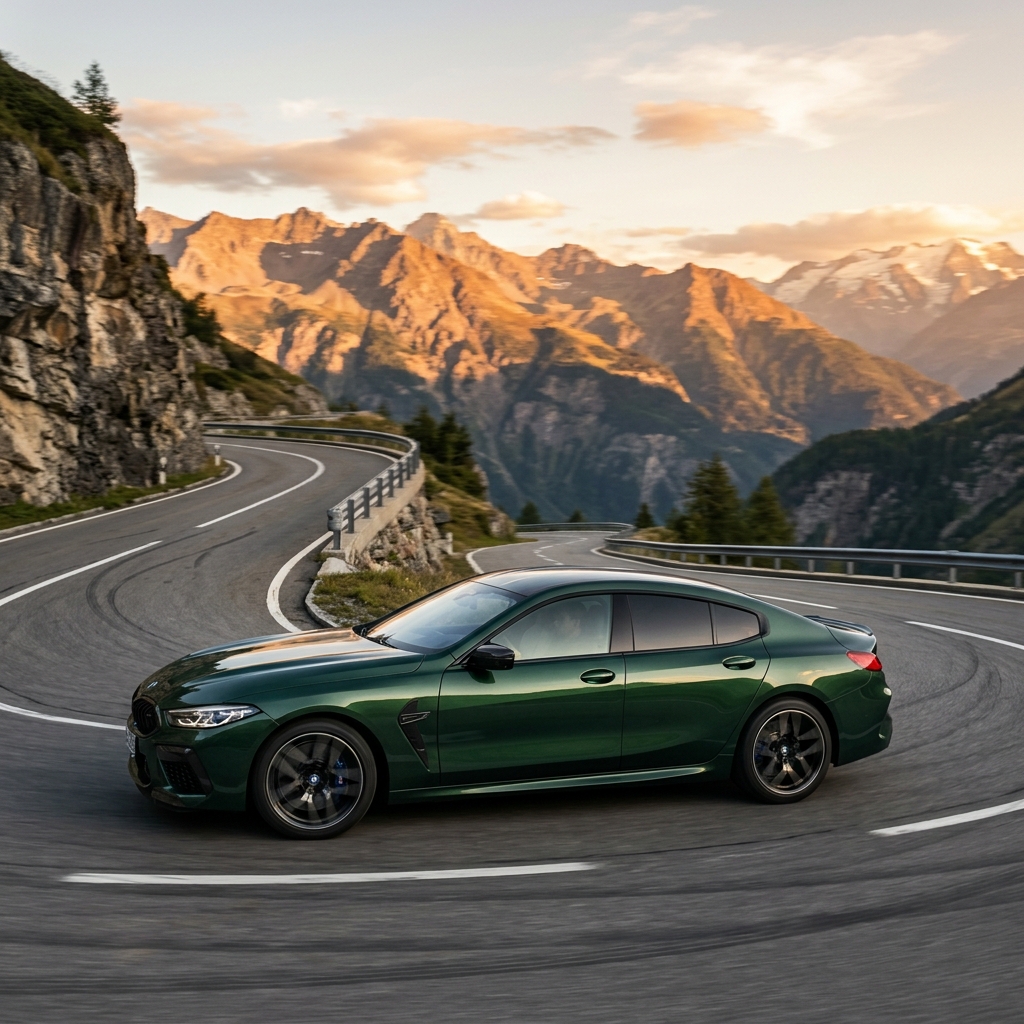
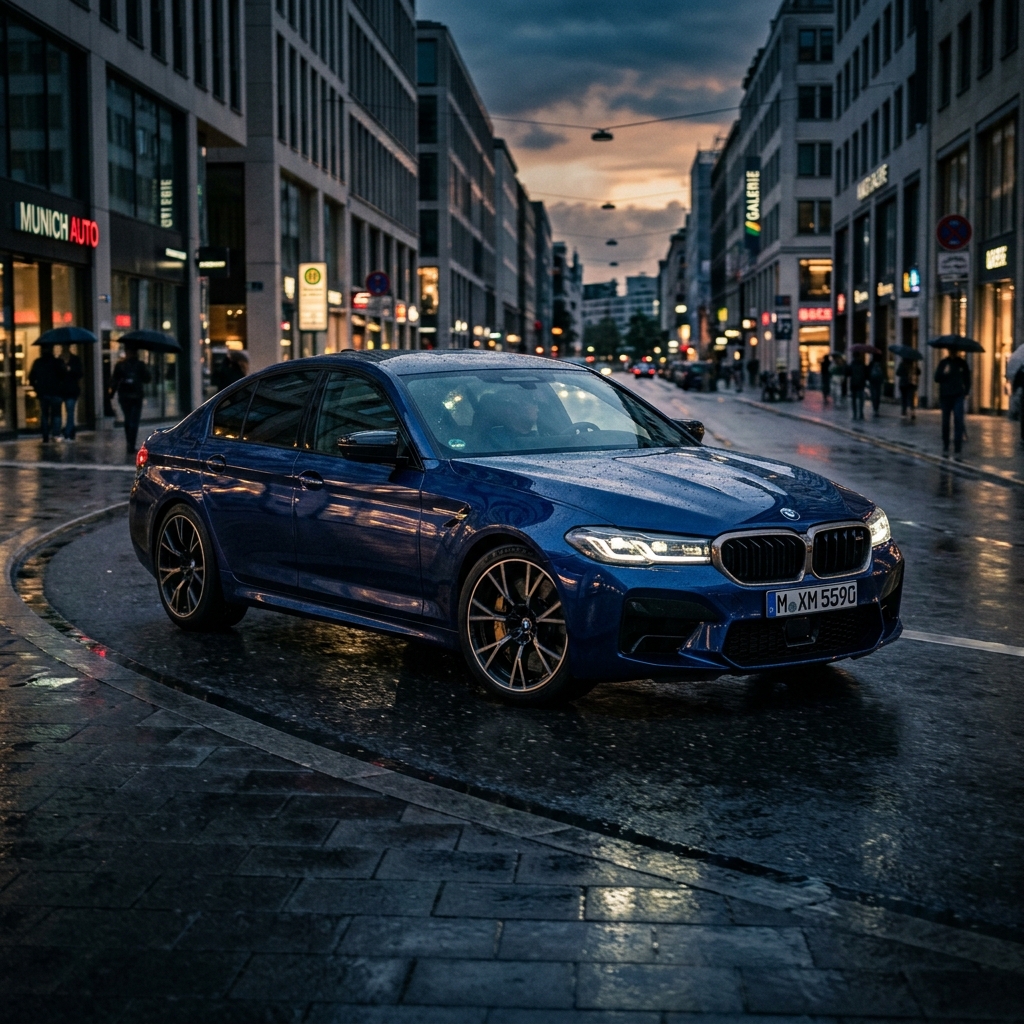
The BMW S63 4.4L Twin-Turbo V8 is the engine that powers BMW’s most extreme road cars. The M5, M6, M8, X5M, and X6M all share this unit in various states of evolution. It produces up to 617 horsepower. It rev-matches perfectly. It sounds like a thunderstorm at 6,500 rpm. It is, by any objective measure, one of the greatest internal combustion engines ever built.
It is also one of the most expensive engines to keep alive.
1. Architecture: The Hot-V Twin-Turbo Design
The S63 uses a “Hot-V” layout: the twin turbochargers sit inside the V of the engine block, nestled between the two cylinder banks.
The Thermal Root Cause
By placing the turbos in the valley, BMW achieved zero lag. But they created an oven.
- Heat Soak: Turbo housing temperatures can exceed 900ツーC (1,650ツーF).
- Component Degradation: Every O-ring, gasket, and coolant hose routed near the valley degrades 3x faster than on a traditional layout.
2. The Connecting Rod Bearing Crisis
No other topic dominates S63 ownership more than rod bearing failure. This is a documented, predictable, and preventable mechanical event.
The Root Cause: Tight Clearances
BMW M-Division engines use extremely tight connecting rod bearing clearances. This improves precision but leaves a paper-thin oil film. Any degradation in oil quality (due to 10k-mile intervals) or pressure results in metal-to-metal contact.
The Failure Sequence
- Silent Wear: Copper particles enter the oil filter.
- Spin: At peak RPM, the oil film breaks. The bearing welds to the crank.
- Catastrophe: Loud knocking. The engine is now a $25,000 paperweight.
Financial Matrix: Rodney’s Revenge
| Scenario | Repair Path | Total Cost |
|---|---|---|
| Preventative | ACL Bearings + ARP Bolts | $4,500 - $7,000 |
| Post-Failure | Full Engine Replacement | $22,000 - $30,000 |
3. Forensic Failure Database: Top 5 Issues
| Failure | Prob. at 70k mi | repair cost | Technical Root Cause |
|---|---|---|---|
| BMW M5 Reliability & Real Costs | 40% | $5,000 - $7,000 | Inadequate oil film thickness and long change intervals. |
| Fuel Injectors | 60% | $3,500 - $4,500 | Piezo stack failure leading to cylinder washout. |
| Turbo Oil/Coolant Lines | 100% | $1,500 - $2,500 | Thermal degradation of O-rings in the Hot-V. |
| Crank Hub Slip | 15%* | $4,000 - $6,000 | Friction-fit timing gear slipping under high torque. |
| Coolant Expansion Tank | 80% | $400 - $800 | Plastic seams splitting under pressure. |
*Risk on tuned cars exceeds 50%
4. 屏・・Mechanic’s Insider Report: “The Index 12 Rule”
“If you pull the engine cover on an S63TU and see ‘Index 11’ injectors, you are looking at a potential hydrolock event. We see these stick open and dump fuel into the cylinder until the rod bends. You must upgrade to Index 12. It’s not a choice; it’s life insurance for your M-car.”
- MW Master Tech, M-Specialist*
Pro-Tip: The ‘Crank Hub’ Virus
The S63TU shares the ‘spun crank hub’ issue with the S55 (M3/M4). While less common on stock power, if you tune your M5 to Stage 2, you must pin the crank hub. If it slips, the valves hit the pistons, and the engine is totaled.
5. Generation Hierarchy: Risk vs. Performance
| Generation | Engine Code | Reliability Rating | Notable Risk |
|---|---|---|---|
| Original (2010-13) | S63B44O0 | 閥 Poor | No Valvetronic, extreme oil burning. |
| Technical Update (2012-17) | S63TU | 泯 Moderate | Rod Bearings. High frequency of major failure. |
| 4th Gen (2018-23) | S63TU4 | 泙 Good | Expansion tank leaks. Significantly improved bearings. |
6. Real Ownership Costs Matrix (Annual)
| Year | Maintenance | Reliability Reserves | Total Exposure |
|---|---|---|---|
| Year 1 | $2,000 | $5,000 (The ‘Baseline’ Day) | $7,000 |
| Year 2 | $1,500 | $2,000 (Tires/Brakes) | $3,500 |
| Year 3 | $1,800 | $4,000 (Turbo Lines/PCV) | $5,800 |
7. Buying Checklist for S63 M-Cars
- Oil Analysis Proof: Ask for Blackstone or Amsoil reports. If copper/lead levels are high, walk away.
- The ‘Cold Crank’ Test: Listen for a heavy “thud” on the first second of startup.
- Injector Audit: Verify all 8 injectors are Index 12.
- Coolant Taste Test: Check for white crust around the expansion tank and turbos.
- Service Interval: If it followed the 15k-mile BMW factory schedule, the bearings are likely 80% worn already.
8. Verdict: The Ultimate Gift and Curse
Should You Buy This Car?
The Verdict
The S63 offers physics-defying speed, but it requires an owner with deep pockets and a proactive mindset. If you can afford the $5,000 preventive maintenance day one, buy it. If you hate taking cars to the shop, avoid it.
Safer Alternatives to Consider
Global Decision Intelligence
- Should You Buy a Used BMW M5 (S63)?
- BMW M5 S63 5-Year Ownership Cost Analysis
- BMW S63 Engine Failure Rate & Timelines
General Reliability Databases
- Most Reliable Luxury Cars Hub
- Most Unreliable Luxury Cars Hub
- BMW M5 (F90) Reliability & Used Buyer
- BMW N63 vs S63: The Comparison
Executive Buying Advice
Budget $5,000 immediately for preventive rod bearings on any F10 M5 or F85 X5M over 60k miles. Check injector index (must be Index 12). Avoid tuned examples unless the crank hub has been pinned.