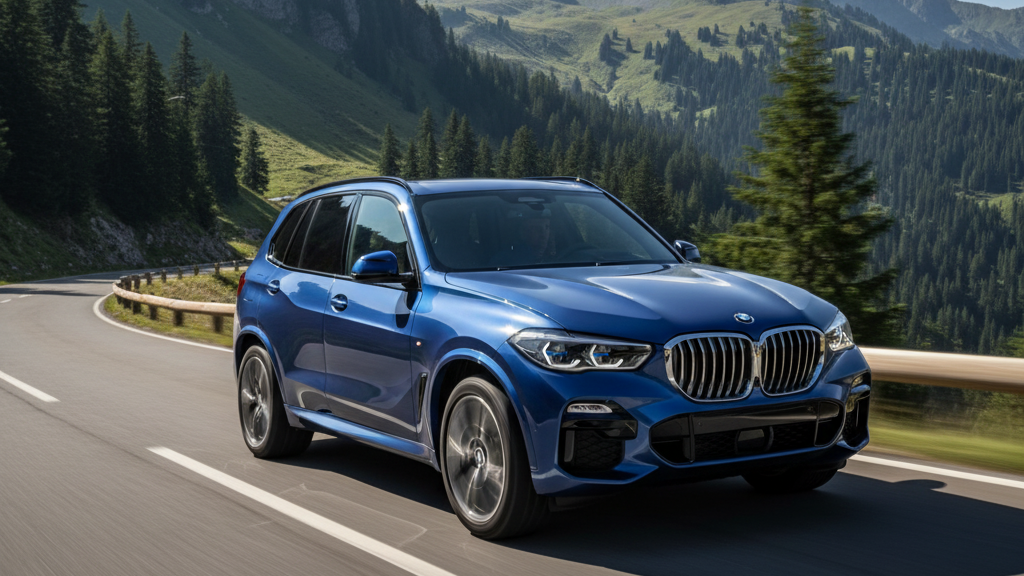
BMW X5M: Reliability, Common Problems & Real Ownership Costs
"We'll be direct: the BMW has documented reliability issues that can result in five-figure repair bills. This guide explains exactly what fails, when it fails, and whether the ownership experience is worth the financial risk."
Engine
4/10
Gearbox
4/10
Electric
3/10
Total Risk
7/10
Quick Verdict
AvoidExtremely high risk of catastrophic failure. Requires massive emergency budget.
Reliability Verdict
High Ownership Risk: Complex systems and documented failure rates in primary components. Maintain a substantial ($5k+) repair fund.
Executive Intelligence Summary
A buyer's guide detailing the unique reliability concerns, S63 engine wear, and expensive suspension costs associated with the BMW X5M and X6M.
In This Guide
The BMW X5M and its coupe-sibling, the X6M, combine the 600-horsepower S63 twin-turbo V8 of the M5 with the immense weight and aerodynamic drag of a 5,300-pound SUV.
Unquestionably, placing a high-strung, high-revving motorsport engine into a vehicle that weighs as much as a rhinoceros creates a brutal wear profile. Physics dictates that an X5M will consume brakes, tires, suspension geometry, and engine oil at a significantly faster rate than an M5.
The Wear Factor: Weight Meets Torque
The primary reliability issue with any high-performance SUV is how the drivetrain handles the mass.
1. Transfer Case (VTG) Shuddering
The BMW xDrive system routes 553+ lb-ft of torque to all four wheels through a computer-controlled transfer case. Launching a 5,300lb SUV from a dead stop places immense shearing stress on the transfer case fluid and internal clutch packs.
- The Symptom: When accelerating hard in 1st or 2nd gear, the entire car shudders or hesitates.
- The Fix: Often, a transfer case fluid flush and a software adaptation reset ($400) will cure it. If the clutches are burnt, the entire unit must be replaced for $5,000+.
- Prevention: You must change the transfer case fluid every 30,000 miles, contrary to BMW’s “lifetime” claims. Furthermore, ensure all four tires are matched in brand, tread depth, and inflation; mismatched rolling diameters destroy xDrive transfer cases.
2. Suspension Consumption (Thrust Arms)
The front lower control arms (thrust arms) take the brunt of stopping a massive vehicle from high speeds. The large hydro-filled rubber bushings tear and leak fluid.
- The Symptom: A steering wheel vibration precisely when the brakes are applied at highway speeds, or a dull clunk when driving slowly over a curb.
- Cost: ~$1,500 for parts, labor, and an alignment.
Failure Probability Timeline
Expect to replace the massive steel brake rotors and pads. The weight of the X5M destroys brakes rapidly.
- Front/Rear Brake Replacement ($3,500)
Front suspension components and the primary driveline connecting points show significant wear.
- Thrust Arm Bushings
- Transfer Case Fluid degradation
The engine danger zone for the older F85 generation. [BMW M5 Reliability & Real Costs](/guides/bmw-s63-rod-bearing-cost/) replacement is mandatory.
- S63 Rod Bearing Failure
- Turbo Coolant Lines
*Data based on owner-reported failures and specialist shop frequency reports.
Generational Differences: F85 vs F95
When buying a used X5M, there is a massive reliability gap between the two major modern generations.
The F85 X5M (2015 - 2018)
- Powered by the S63TU engine. This is the era of catastrophic rod bearing failures.
- The immense weight of the X5M means the engine spends more time under high load (high boost at low RPM) than an M5 does, creating even worse oil shear and bearing wear.
- Verdict: Do not buy an F85 without a $15,000 repair fund safely tucked away. Preventative rod bearing replacement at 60,000 miles is mandatory.
The F95 X5M (2020 - Present)
- Powered by the S63TU4 engine. This engine features the vastly improved oiling system and solenoid injectors that drastically reduced the catastrophic failure rate.
- It utilizes the bulletproof ZF 8-Speed transmission and a more robust transfer case.
- Verdict: A significantly safer buy. The engine is vastly more reliable. However, the suspension, brakes, and transfer case wear profiles remain identical due to the vehicle’s weight.
Conclusion
The BMW X5M defies physics, but physics always collects its toll in the service bay. If you can afford the $4,000 annual brake and tire budget, and you diligently service the transfer case fluid, the modern F95 X5M is a surprisingly dependable fortress of an SUV.
Avoid the older F85 generation unless you understand the realities of S63 rod bearing failure.
Keep Reading
- Ferrari 458 Italia vs Porsche 911 Turbo: Drama vs Precision
- Ferrari 458 Italia vs BMW M8: The Icon vs The Beast
- Porsche 911 Turbo vs BMW M5: The Surgeon vs The Sledgehammer
Unlock the $10,000 Pre-Purchase Inspection Checklist
Don't buy a used luxury car blind. Get the exact forensic checklist used by independent specialists to catch catastrophic failures before you sign the title. Enter your email to download the PDF instantly.
The Final Decision: Worth It?
Worth it if:
- You have a trusted, brand-specialized independent mechanic.
- You maintain a strict $5,000-$10,000 liquid repair reserve.
- You value the driving experience over strict financial rationality.
Not worth it if:
- You are stretching your budget just to afford the purchase price.
- You rely exclusively on the dealership network for out-of-warranty maintenance.
- You expect Toyota-like reliability and predictable ownership costs.