Audi 4.0T V8: Complete Problem Guide & Reliability Analysis
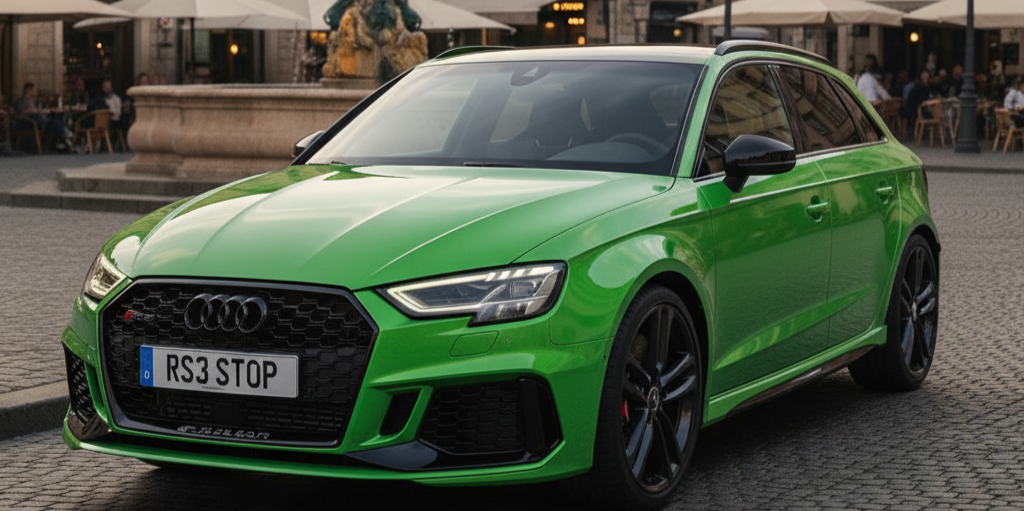
"Your RS6 or RS7 may have a $10 oil screen that's about to destroy both turbos. If the recall wasn't completed, you're driving a ticking time bomb. Here's how to check - and what to do next."
Quick Verdict
Buy with WarrantyA fantastic V8 ruined by a $10 oil strainer screen. Ensure the recall was performed, or budget for immediate turbo replacement.
Reliability Verdict
The turbo oil screen issue is a guaranteed disaster if ignored. Preventative maintenance is mandatory for this engine. If the recall is performed proactively, the bottom end is extremely resilient.
Executive Intelligence Summary
Audi 4.0T V8 engine problems: turbo oil screen failure, PCV issues, and active mounts. Failure mileages, repair costs, and preventative action for RS6, RS7, S8.
In This Guide
Unexpected repair costs can quickly change the ownership experience.
The Audi 4.0T V8 (EA824) is a 420 - 60 horsepower hot-V twin-turbo masterpiece that powers the RS6, RS7, S6, S7, and S8. It delivers staggering thrust and refinement, making it one of the most advanced luxury V8s ever built.
However, its hot-V design suffers from a singular, catastrophic flaw that has ruined thousands of engines. Is it a financial suicide mission? Or is it a brilliant performance bargain if you know exactly what to fix?
Estimated baseline repair costs can vary significantly depending on total failure timing. Prepare accordingly.
Failure Probability Timeline
Early life is generally stable. The oil screen begins accumulating its first microscopic carbon deposits.
- Early PCV valve squeak
- Minor coolant weeping
The 'Danger Zone'. This is what breaks first, and what breaks worst.
- Turbo oil strainer screen clog
- Catastrophic twin-turbo failure
- PCV/Oil Separator diaphragm tear
If the turbos survive, chassis and NVH suppression systems wear out.
- Active hydraulic engine mount collapse
- Air suspension strut leaks
*Data based on owner-reported failures and specialist shop frequency reports.
1. Primary Engine Problem: The $10 Turbo Screen Flaw
Audi placed a tiny mesh oil strainer screen in the valley beneath the PCV assembly to protect the twin turbos from debris. Over time, because it sits directly in the baking hot-V, this screen clogs with carbonized oil sludge.
Why it matters: Clogging starves the turbos of lubrication. At 100,000+ RPM, they instantly rip themselves apart. You will hear a sudden, high-pitched siren noise followed by total power loss. Replacing two blown turbos ranges from $6,000 to $10,000.
Due to the massive failure rate, Audi issued TSB 2044640 to replace the screen with an updated, wider mesh. If you do this preventatively, it costs $1,500 and saves a $10,000 disaster.
At this point, most buyers explore if the RS7 or S6 is still worth the risk.
2. Component Longevity: PCV Valve & Active Mounts
When luxury suppression systems fail.
Integrated deeply inside the V-valley sits the PCV valve (oil separator). When its internal diaphragm tears, you will hear a loud, high-pitched whistling at idle due to massive crankcase vacuum.
Why it matters: Replacing the PCV requires substantial top-end disassembly. It is a $1,200 to $2,000 job heavily weighted toward labor. Additionally, to mask the vibrations of the V4 Cylinder-on-Demand system, Audi uses fluid-filled Active Engine Mounts. They leak and collapse by 70,000 miles, requiring a $2,000 replacement.
Continue Your Research
"At this stage, most buyers explore one of the following paths to refine their search:"
”When parts fail out of warranty, you are exposed to dealership labor rates. Preventative maintenance is critical.”
3. High-Cost Issue: Cylinder on Demand (CoD)
The cylinder deactivation system saves fuel on the highway but introduces long-term NVH (Noise, Vibration, and Harshness) wear.
Why it matters: The constant switching between V4 and V8 mode puts immense stress on the active engine mounts and downpipe flex joints. When the mounts fail, the car shudders violently at low RPM.
Warning
Actionable Verdict: Always check the VIN against Audi’s oil screen recall database before buying. If the recall hasn’t been done, negotiate $2,500 off the asking price to have the screen removed and an inline filter installed immediately.
Audi 4.0T vs BMW S63
If you fix the Audi 4.0T's turbo screen, the bottom end is fundamentally bulletproof. The BMW S63 has a continuous internal rod bearing wear risk. Read full comparison
Final Verdict
"The Audi 4.0T is a fantastic V8 ruined by a $10 oil strainer screen. Only buy it if the recall is completed."
You demand all-weather Quattro traction and are willing to verify the specific turbo recall paperwork.
You prefer RWD-biased dynamics and accept preventative internal bearing maintenance.
Next Step: Based on your choice, here’s what to do next
This is where routine ownership costs begin to scale. Preparing an annual budget is simply the cost of entry.
Routine Maintenance Intervals (The 100k Benchmark)
Can you afford to maintain a 4.0T to 100,000 miles?
| Service | Interval | Cost (Indie) | Cost (Dealer) |
|---|---|---|---|
| Intermediate Service (Oil) | 5,000 Miles | $200 | $350 |
| Turbo Screen & PCV Update | Verify ASAP | $1,800 (One-Off) | $3,000 |
| Active Engine Mounts | 70,000 Miles | $1,800 | $2,800 |
| Complete Turbo Replacement | If Screen Fails | $7,000 | $11,000+ |
Before you finalize your purchase decision, remember the golden rule of German sports cars: You are buying the previous owner’s maintenance habits.
Conclusion: The $10,000 Ticking Clock
Audi 4.0T ownership relies entirely on whether the turbo screen issue has been rectified. If it has not, you are driving a brilliantly fast ticking time bomb.
After the preventative turbos/screen and PCV work is handled, the engine is remarkably solid at its core. If you find one with documented updates, it is one of the greatest Autobahn cruisers ever built.
Related Authority Guides
- BMW S63 Engine Failure Rate & Rod Bearing Cost
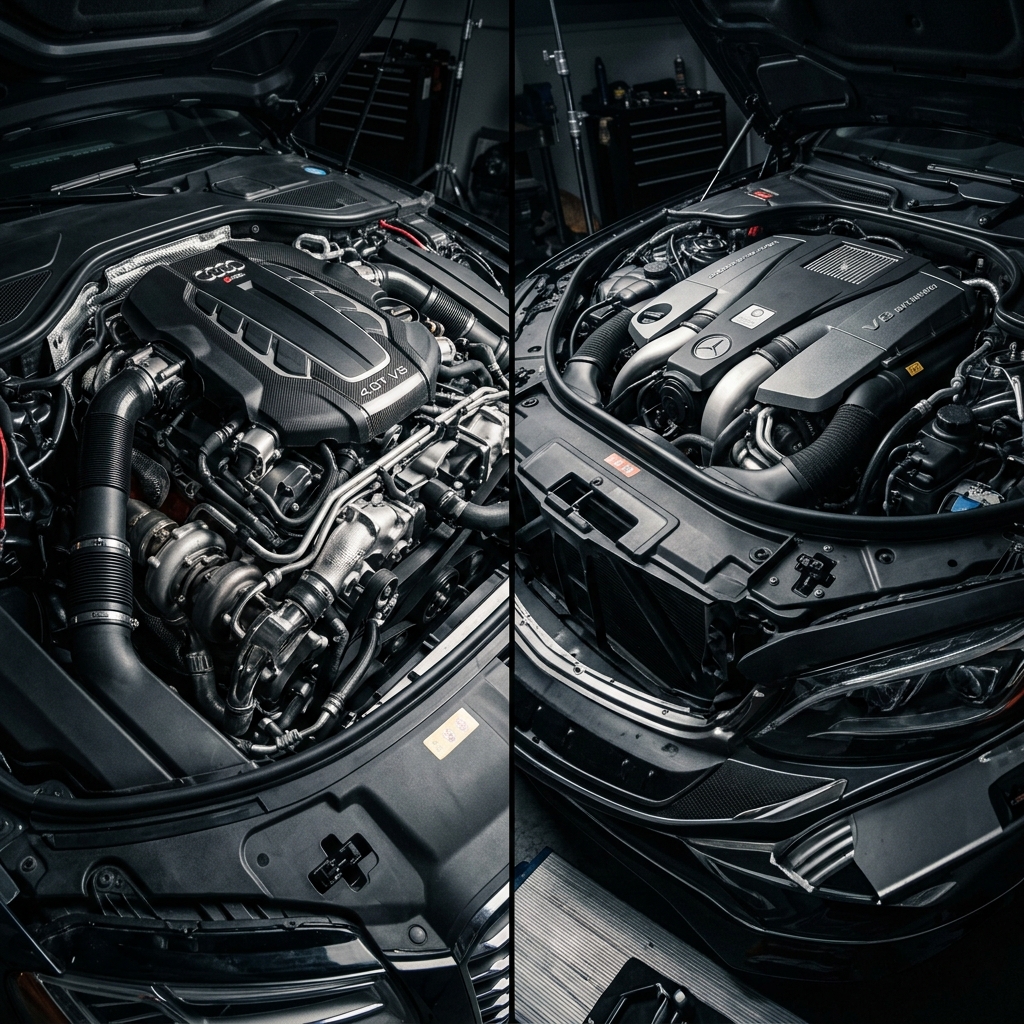
- Audi 4.0T vs Mercedes M278 Reliability
- BMW M5 vs Audi RS7 Reliability Benchmark
Explore Related Guides
If you are finalizing a purchase, your research isn’t done. Explore the exact cost breakdown of major mechanical failures below.
4.0T Turbo Failure: What Buyers Overlook
Learn the exact audible symptoms of a starved turbo before it detonates.
V8 Super-Sedan Reliability: S6 vs E550
Does the Mercedes M278 offer a safer long-term profile than the Audi 4.0T?
RS7 Used Market Guide
We benchmark the total lifecycle cost of owning an out-of-warranty Audi RS7.
”Protect your investment by staying informed on long-term data.”
Unlock the $10,000 Pre-Purchase Inspection Checklist
Before you commit to a used luxury car, use a thorough inspection checklist to catch common failure points. Enter your email to download our pre-purchase inspection guide as a PDF.
The Final Decision: Worth It?
Worth it if:
- You have a trusted, brand-specialized independent mechanic.
- You maintain a strict $5,000-$10,000 liquid repair reserve.
- You value the driving experience over strict financial rationality.
Not worth it if:
- You are stretching your budget just to afford the purchase price.
- You rely exclusively on the dealership network for out-of-warranty maintenance.
- You expect Toyota-like reliability and predictable ownership costs.
Related Research & Guides
Executive Buying Advice
Only purchase an S6, S7, A8 or RS7 if the PCV and turbo oil screen recall/update has been definitively documented.