Audi RS7: Common Problems, Repair Costs & What to Watch For
"The RS7 looks like a luxury sedan and performs like a sports car. The 4.0T V8 underneath is shared with Bentley and Lamborghini, and so are its turbo oil line and intake runner failure patterns."
Engine
6/10
Gearbox
6/10
Electric
5/10
Total Risk
5/10
Quick Verdict
Buy with CautionExpect significant running costs. Manageable if preventative maintenance is done.
Reliability Verdict
The RS7 C7 is a 560hp grand tourer with the same turbo oil screen flaw as all 4.0T engines. If the recall (TSB 2044640) has been completed, it's a fantastic performance sedan. If not, you're gambling with a $10,000 turbo replacement. The ZF 8-speed transmission is generally reliable but can develop mechatronic issues.
Executive Intelligence Summary
The breakdown of Audi RS7 C7 reliability. Common failures with 4.0T V8: turbo oil screen recall, PCV failures, ZF 8-speed transmission.
In This Guide
Audi RS7 Common Problems: The $20,000 Used Sedan with a $10,000 Repair Bill
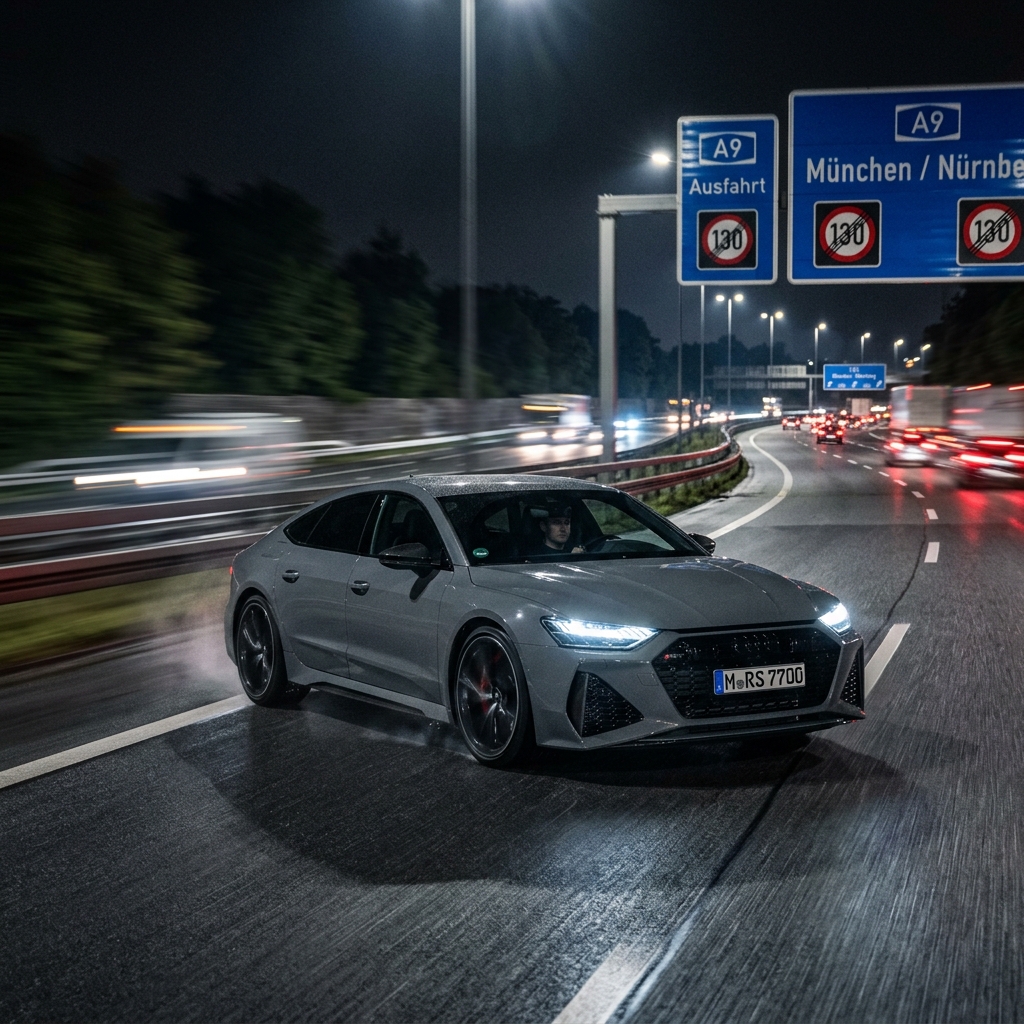
The Audi RS7 C7 is a 560hp four-door coupe that can hit 60mph in 3.7 seconds and cruise at 190mph. It’s the car that makes BMW M6 Gran Coupe buyers jealous.
But on the used market, it’s a maintenance nightmare. You can buy a $120,000 RS7 for $30,000. Why? Because the turbo oil screen clogs, the PCV fails, and the transmission mechatronic unit can fail.
This guide explores the specific hellscape of owning an out-of-warranty RS7 C7.
1. RS7 C7 vs C7.5: The Difference
The RS7 went through a facelift in 2016. You must understand the difference.
RS7 C7 (2014-2015)
- Engine: EA824 4.0T V8 (560hp)
- Risk Level: HIGH
- Why: Early oil screen design, higher turbo failure incidence, early transmission software.
- Recall Coverage: 2014-2017 RS7 is covered by TSB 2044640.
- Verdict: Buyable, but only with recall completion verified.
RS7 C7.5 (2016-2018)
- Engine: Updated EA824 4.0T V8 (605hp in Performance model)
- Risk Level: MODERATE
- Why: Revised oiling system, updated transmission software, better build quality.
- Verdict: The smart buy. Still has carbon buildup and PCV risk, but lower turbo failure rate.
2. The “Big Three” RS7-Specific Failures
Beyond the engine issues (turbo oil screen, PCV, carbon buildup), the RS7 has platform-specific gremlins.
A. Turbo Oil Screen (The Existential Risk)
The RS7 shares the same turbo oil screen flaw as all 4.0T engines. See our Audi 4.0T V8 Pillar Page for the full technical breakdown.
- Symptom: Screeching noise, loss of power, check engine light.
- Test: Listen for a high-pitched screech on acceleration. If present, walk away.
- Cost: $8,000 - $10,000 for turbo replacement (many owners upgrade to larger RS7 Performance turbos with screen delete).
Warning
Critical: If the oil screen recall (TSB 2044640) has not been completed, the car is a ticking time bomb. Verify recall completion before purchase.
B. ZF 8-Speed Transmission (Mechatronic)
The RS7 uses the ZF 8HP70 transmission. The mechatronic unit (transmission control module) can fail.
- Symptom: Harsh shifts, delayed engagement, limp mode, “Transmission Fault” warning.
- Mileage: 70,000 - 100,000 miles.
- Fix: Mechatronic unit replacement.
- Cost: $3,000 - $5,000.
Tip
Preventive Maintenance: Change transmission fluid every 60,000 miles (Audi says “lifetime” but this is inadequate). Use ZF Lifeguard 8 fluid only.
C. Dynamic Steering Rack
The RS7 uses Audi’s dynamic steering system (variable ratio). The steering rack can fail.
- Symptom: Clunking noise on turns, loss of power assist, “Steering Fault” warning.
- Mileage: 60,000 - 90,000 miles.
- Fix: Steering rack replacement.
- Cost: $2,000 - $3,500.
3. Maintenance Budget
Owning an RS7 C7 is not like owning an A7. It is a supercar-level maintenance schedule.
- Oil Changes: Every 5,000 miles (Mandatory). Audi’s 10,000-mile interval will clog the oil screen.
- Tires: Rear tires last 10,000-15,000 miles due to 560hp torque. Expect $1,800/set.
- Brakes: Large rotors. Expect $2,000/axle (steel) or $10,000 (ceramic).
Annual Expectation: $4,000 - $6,000 in non-routine repairs.
4. The “Bargain” Trap
Scenario: You see a 2015 Audi RS7 with 65k miles for $28,000. It looks clean.
Reality: It likely needs:
- Oil screen recall verification (if not done: $10,000)
- PCV replacement ($1,500)
- Carbon cleaning ($1,000)
- Transmission mechatronic ($4,000)
Total Immediate Cost: $6,500 (or $16,500 if turbo oil screen has not been addressed).
You have effectively doubled the price of the car in the first month.
5. Should You Buy One?
YES, IF:
- You are looking at a 2016+ C7.5 Performance model.
- You can afford a $5,000/year maintenance budget.
- You have a trusted Audi specialist nearby.
- You get oil screen recall verification and clean PCV inspection.
NO, IF:
- You are stretching your budget to buy the car.
- You rely on the dealer for service.
- You need 100% reliable transportation.
- You cannot afford a potential $10,000 turbo replacement or $5,000 transmission repair.
6. The Safer Alternative: The S7
Unless you need 560hp, buy the S7 (420hp 4.0T V8).
- Engine: Same 4.0T V8 (420hp)
- Reliability: Same turbo oil screen risk, but lower stress on drivetrain.
- Power: 420hp (Still very fast).
- Risk: Lower transmission and differential wear.
7. Verdict
The Audi RS7 C7 is a performance bargain if you know what you’re doing. It offers 560hp, a glorious exhaust note, and the prestige of the Audi brand for the price of a used Camry.
But it requires a “supercar” budget to keep running. If you go in with open eyes and a full wallet, it’s a rewarding experience. If you treat it like a Toyota, it will bankrupt you.
Related Guides:
- The 4.0T V8 Engine Pillar Page
- Audi RS6 C7 Reliability Guide - urbo Fai… Reliability & Real Costs
- Audi S8 D4 Engine Issues
- Audi S6 / S7 Reliability & Real Costs
- Turbocharger Failure in Luxury Cars Reliability & Real Costs
- Oil Screen Recall
- PCV Failure
- Carbon Buildup in Luxury Cars Reliability & Real Costs
- Transmission Issues
- BMW M6 Gran Coupe Comparison
- Mercedes CLS63 AMG Comparison
Executive Buying Advice
Only buy an RS7 C7 with: 1) Documented oil screen recall completion (TSB 2044640), 2) Clean PCV (no whistling), 3) Transmission shifts smoothly. Avoid 2014-2015 models without recall. The 2016+ C7.5 RS7 Performance is the sweet spot. Budget $4,000/year for maintenance.