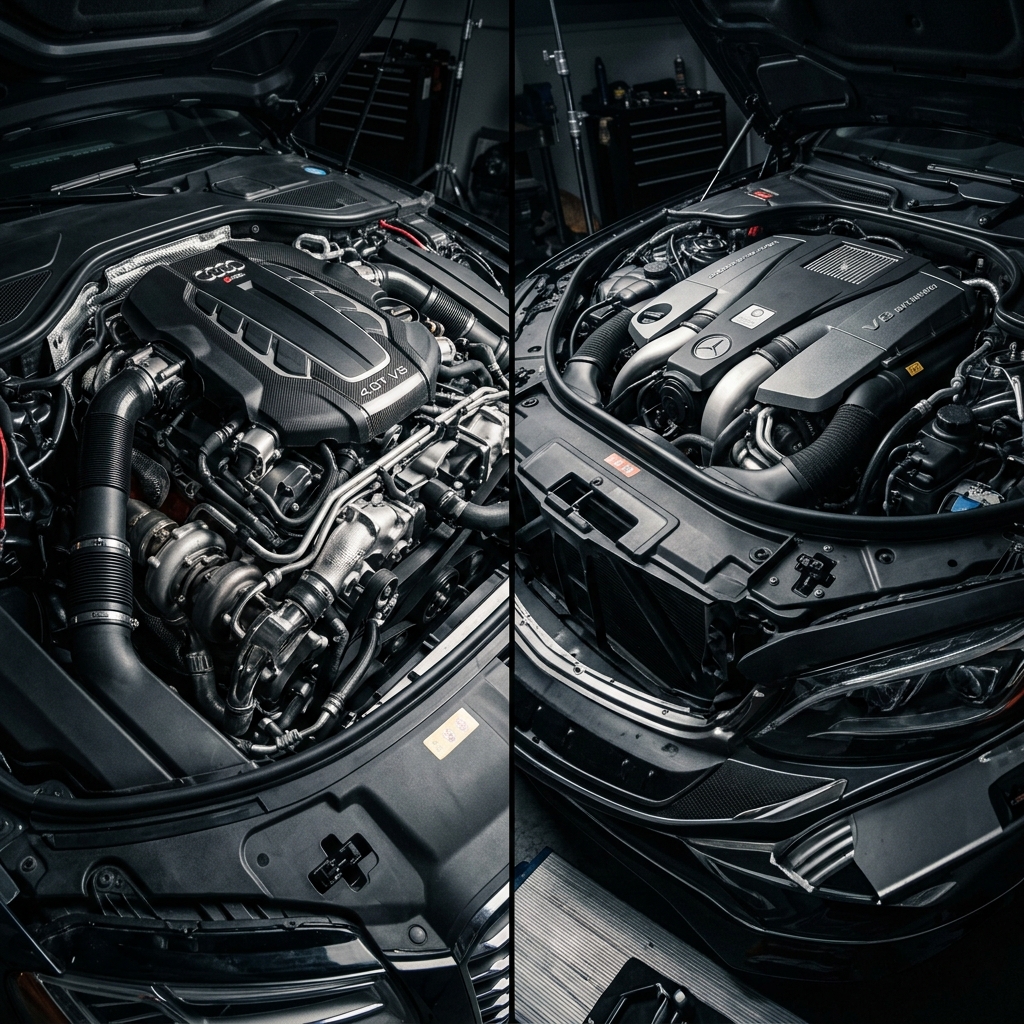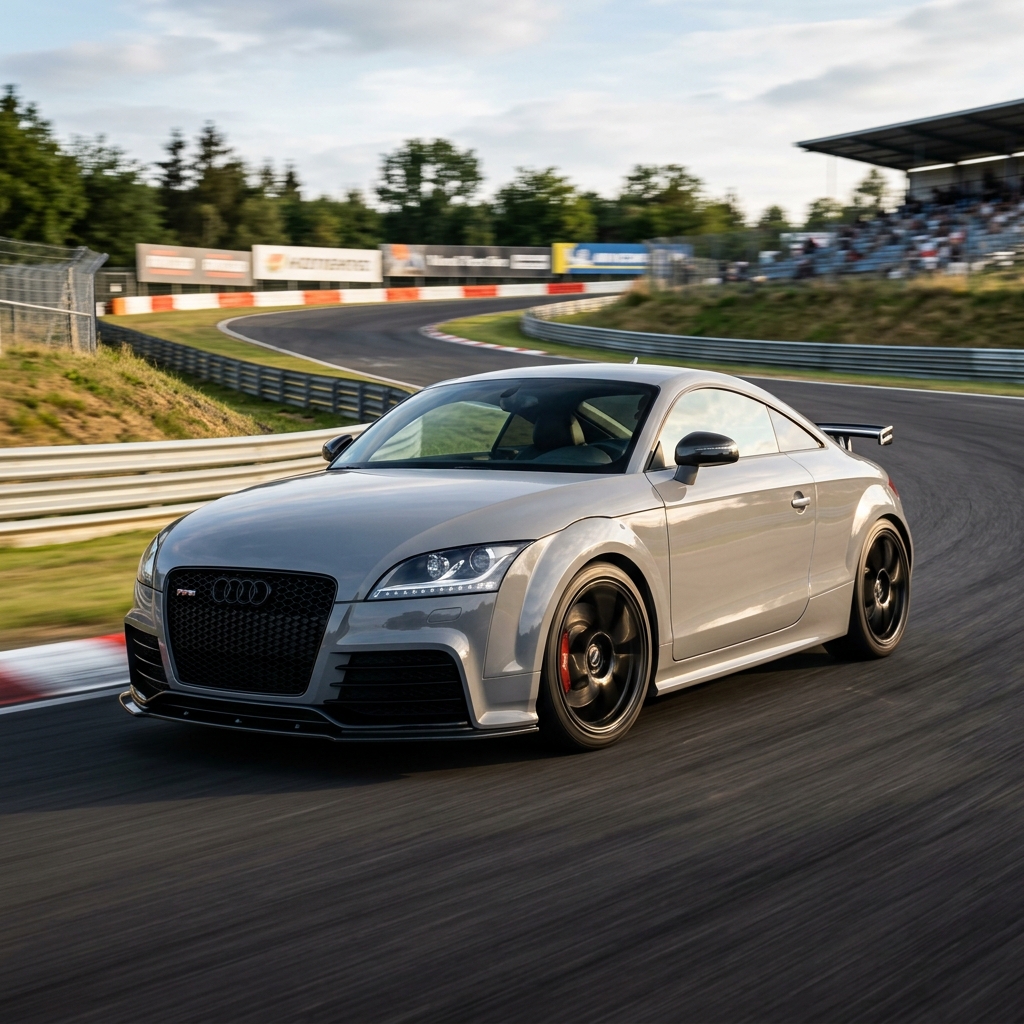
Audi 2.5T (EA855 DAZA): Complete Engine Reliability & Failure Guide
"The 2.5T five-cylinder sounds like nothing else on the road. But that glorious noise can turn into a ,000 rod bearing nightmare if you skip the oil change intervals. Here's what the forums won't tell you straight."
Engine
7/10
Gearbox
7/10
Electric
6/10
Total Risk
4/10
Quick Verdict
Buy with CautionExpect significant running costs. Manageable if preventative maintenance is done.
Reliability Verdict
The 2.5T TFSI is one of the finest performance inline-five engines ever built. At stock power levels, it is genuinely reliable with proper service - dependent confirmation across both RS3 and TT RS communities places this engine above average for the performance class. The primary risks are service-related: coil and plug wear is rapid on tuned cars, carbon buildup from direct injection is predictable, and the HPFP requires attention at high mileage. The timing tensioner is only a concern on older 8P-era RS3 units.
Executive Intelligence Summary
Audi 2.5T TFSI engine reliability guide: spark plug failures, HPFP costs, carbon buildup, timing tensioner risk, and annual RS3 and TT RS ownership costs.
In This Guide
Audi 2.5T TFSI Engine Reliability: The Complete Analysis
The Audi 2.5T TFSI - turbocharged inline-five - one of the most celebrated engines in modern performance motoring. It powers the RS3, the TT RS, and has won the International Engine of the Year award multiple times.
It is also one of the better-reliability stories in the Audi performance lineup - rovided it’s stock and properly maintained.
1. 2.5T Architecture: The Inline-Five Advantage
The 2.5T TFSI is unusual in the modern performance landscape:
- Configuration: Inline-five cylinder
- Displacement: 2.48L
- Turbocharger: Single large scroll turbo (8V RS3 generation onwards)
- Output: 367 - 0 hp (stock) across RS3 and TT RS variants
- Technology: Direct injection, variable valve timing, high-pressure fuel system
The inline-five produces a distinctive sound - crackling, five-cylinder cadence that is immediately recognizable and one of the engine’s greatest emotional selling points.
8P Era (2012 - 13 RS3) vs 8V / 8Y Era
| Generation | Years | Notes |
|---|---|---|
| 8P RS3 | 2012 - 13 | Older timing tensioner risk; best avoided |
| 8V RS3 | 2015 - 20 | Primary market generation; refined 2.5T |
| 8Y RS3 | 2021+ | Latest generation, most modern architecture |
2. Spark Plugs and Ignition Coils: The First Expense
The most frequent early maintenance on the 2.5T is coil and plug wear:
- Stock RS3/TT RS: Plugs typically last 40,000 - ,000 miles
- Tuned RS3 (Stage 1/2): Plug life drops to 20,000 - ,000 miles or less
- Cost: $300 - 00 for a full set of plugs and coils
The reference data from performance RS3 community notes: “by far the most failures are on stage 1 cars.” The 2.5T responds well to tuning but places noticeably more electrical stress on the ignition system.
Important
If buying a tuned RS3, budget for plug and coil replacement immediately and factor future replacements at tighter intervals.
3. Carbon Buildup: Direct Injection Tax
Like all direct-injection engines, the 2.5T TFSI is vulnerable to carbon buildup on intake valves. The injectors spray fuel directly into the cylinder (bypassing the valves), so oil and combustion deposits accumulate on the valve stems without being washed off.
| Mileage | Expected Buildup Level |
|---|---|
| 0 - 0,000 miles | Minimal |
| 40,000 - 0,000 miles | Moderate - erformance beginning to drop |
| 70,000+ miles | Significant without intervention |
Solution: Walnut blasting (walnut media blasted at intake valves under pressure) Cost: $400 - 00
Tip
Do the walnut blast at 60,000 miles proactively. The work takes 3 - hours and restores power and throttle response that has gradually faded.
4. High Pressure Fuel Pump
The HPFP is a documented failure item on the 2.5T at higher mileage:
- Failure codes: P0087, P0088
- Symptoms: Hard start, rough idle, hesitation on acceleration, stalling
- Mileage band: 60,000 - 0,000+ miles
- Cost: $800 - ,800 for OEM replacement
The HPFP is fuel-lubricated - graded or contaminated fuel accelerates wear. Always use premium fuel and maintain a clean fuel system.
5. Timing Chain Tensioner (Older Units)
The early 8P RS3 (2012 - 13) uses an older timing chain tensioner design that is known to lose tension with age:
- Symptom: Cold start rattle lasting 1 - seconds on a warm-temperature morning
- Risk: Chain jump if ignored - gine timing failure
- Cost: $600 - ,500 for tensioner and guide replacement
The 8V RS3 (2015+) received an updated tensioner design. For 8V and 8Y buyers, this is not a primary concern.
6. Annual Ownership Cost
For a stock, well-maintained 8V RS3:
| Item | Annual Cost |
|---|---|
| Service (oil, filters) | $800 - ,500 |
| Coils/plugs (amortized) | $300 - 00 |
| Walnut blast (amortized) | $200 - 00 |
| Brakes/tires | $1,500 - ,500 |
| Annual Total | $2,800 - ,000 |
For a tuned RS3, add 40 - % to coil/plug and fuel system costs.
Per the reference database: out-of-warranty RS3/TT RS owners should budget $2,000 - ,000/year at stock power levels.
7. Buying Checklist
- Check tune status - ctory or modified ECU
- Verify service history: oil changes at 7,500 miles maximum
- Test for plug-related misfires during test drive (hard acceleration)
- Ask when walnut blast was last done
- On 8P RS3: cold start rattle assessment for timing tensioner
Related Resources
- Audi RS3 Reliability & Real Costs
- Audi TT RS Reliability & Real Costs
- Audi RS3 Reliability & Real Costs
- Carbon Buildup in Luxury Cars Reliability & Real Costs
- HPFP Failure Pattern Comparison
Executive Buying Advice
Avoid any tuned 2.5T without complete service history. Stage 1 and Stage 2 RS3s are noticeably higher risk for coil, fuel pump, and turbo failures. At stock power levels, budget $2,000 - ,000/year for well-maintained examples. Walnut blast at 60,000 miles regardless.