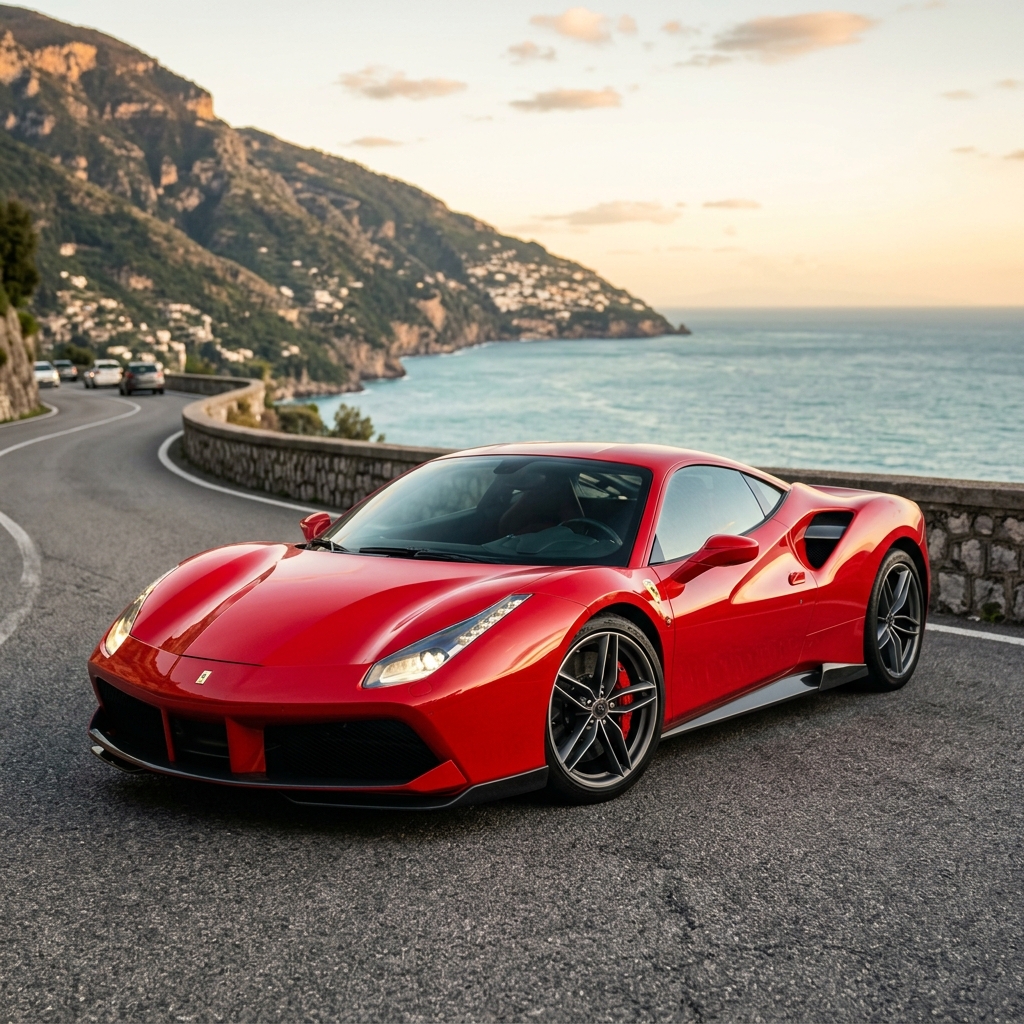
Ferrari F154 Twin-Turbo V8: Reliability & Known Issue Guide
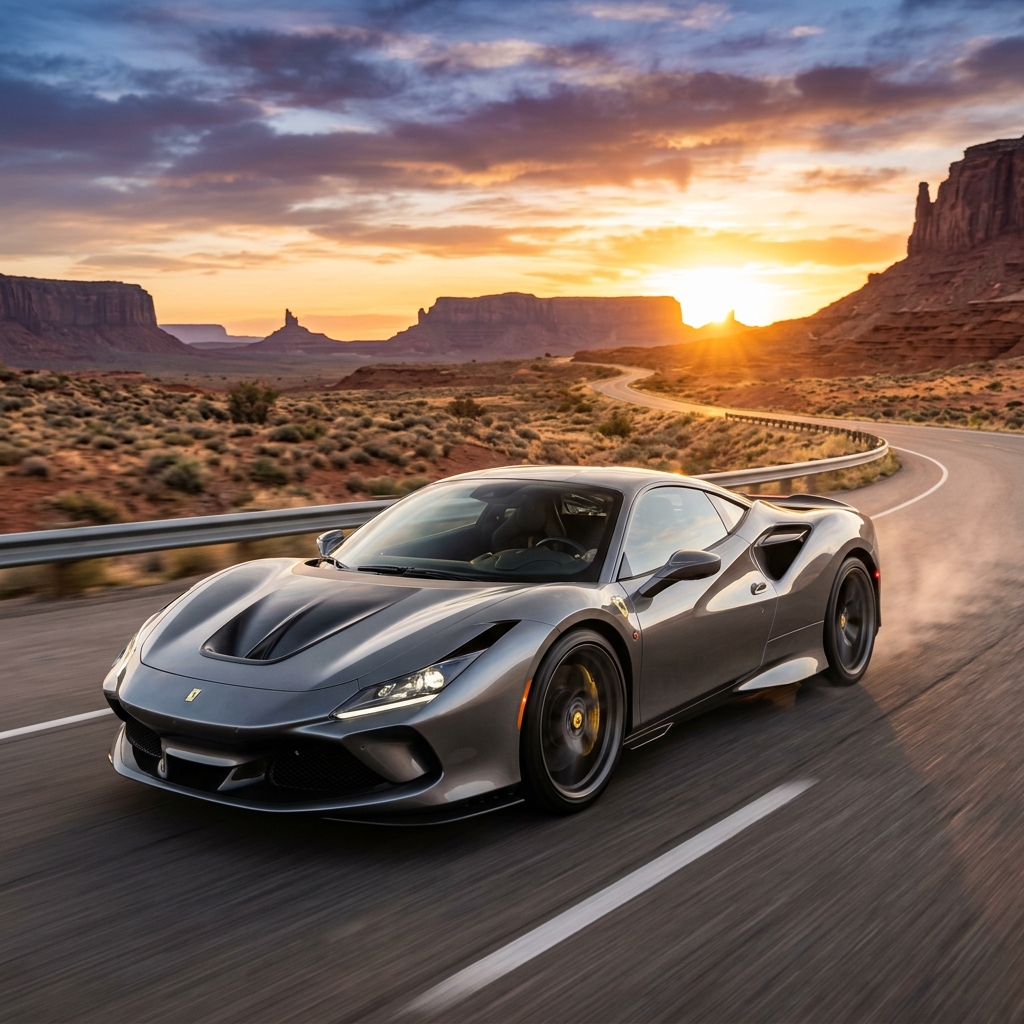
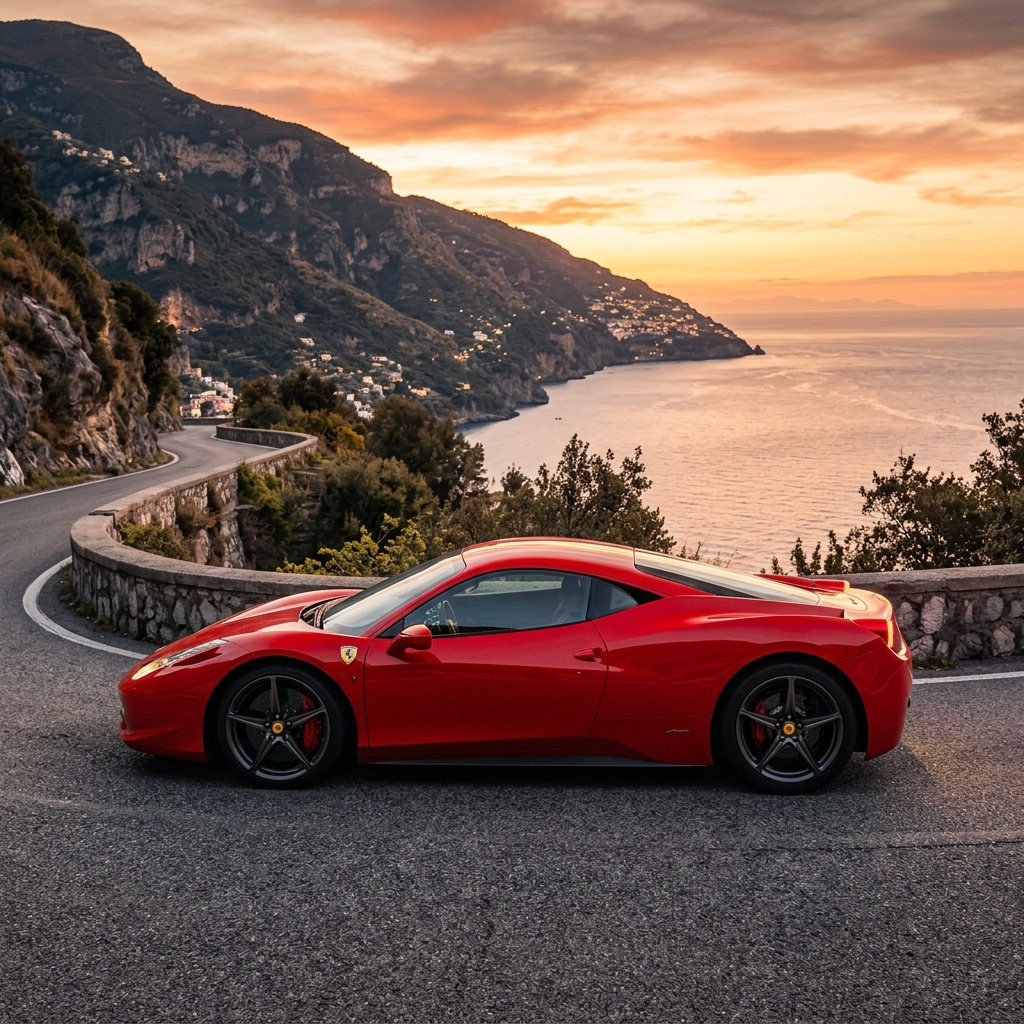
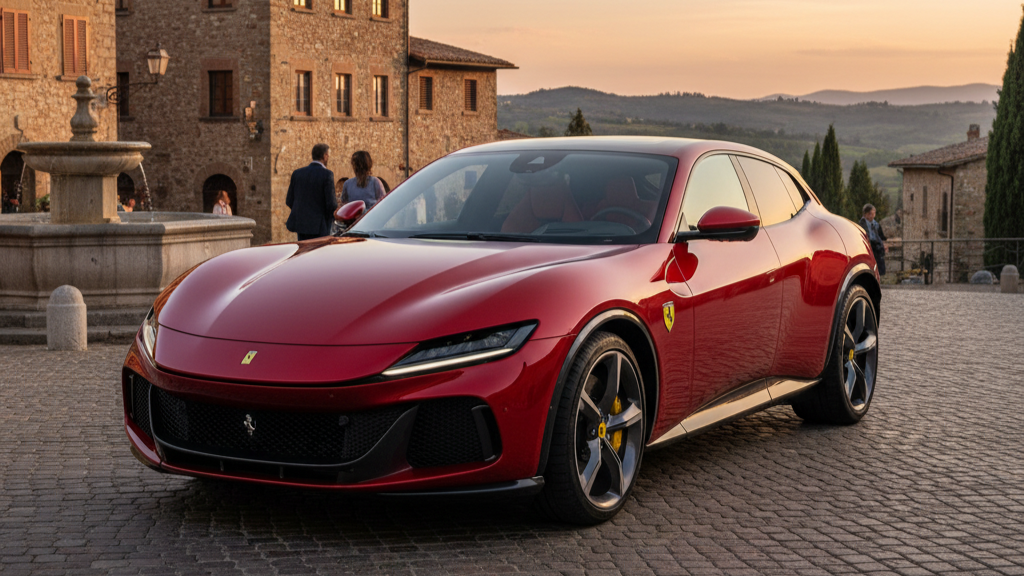
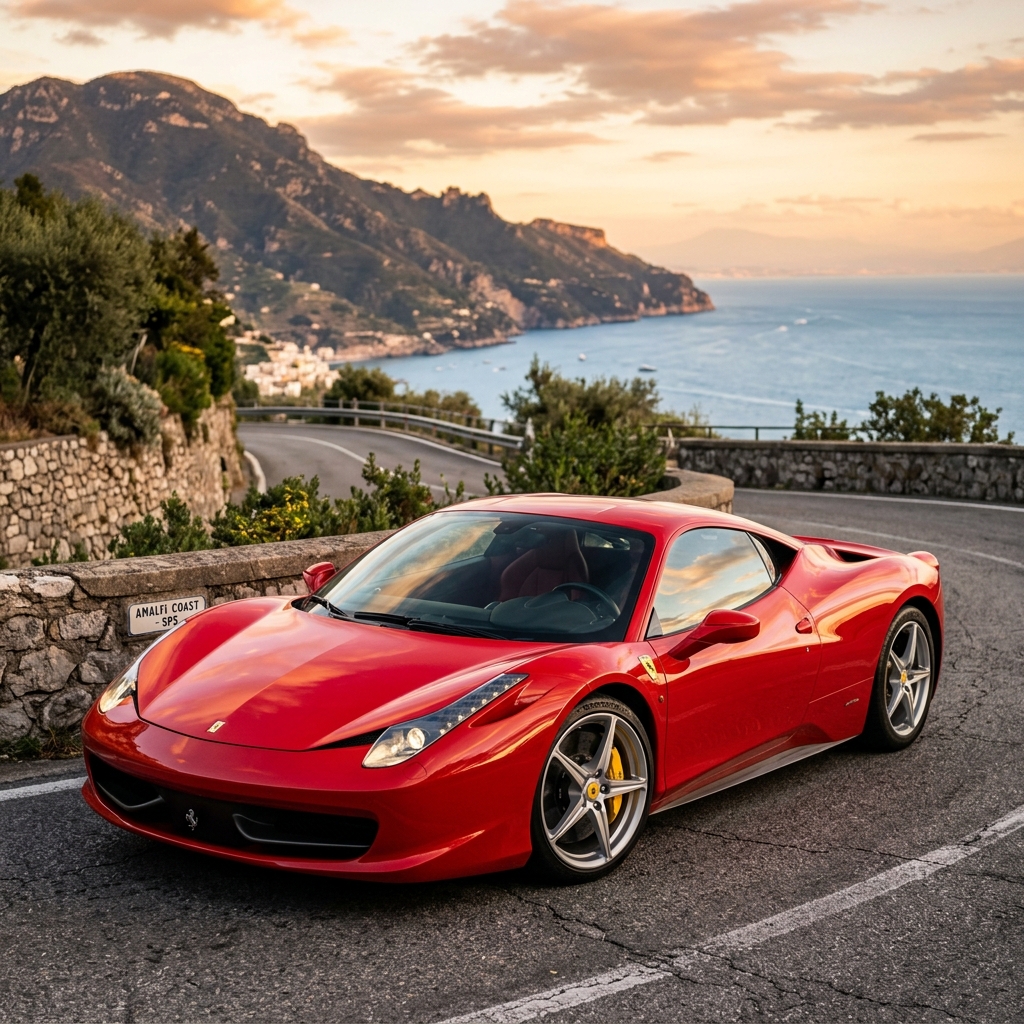
"The F154 twin-turbo V8 powers the 488, F8, and Roma. It's Ferrari's most produced modern engine, and its reliability track record is better than most expect. But the turbo wastegate issue is real."
Engine
7/10
Gearbox
7/10
Electric
6/10
Total Risk
4/10
Quick Verdict
Buy with CautionExpect significant running costs. Manageable if preventative maintenance is done.
Reliability Verdict
Intermediate risk profile. Balanced ownership experience with some known failure points in cooling and high-pressure fuel systems.
Executive Intelligence Summary
A complete technical deep dive into the reliability of the Ferrari F154 Twin-Turbo V8 engine, covering HPFP failures, exhaust cracks, and turbo issues.
In This Guide
The Ferrari F154 is a masterclass in modern turbocharging. As the successor to the legendary naturally aspirated F136 V8, the F154 debuted in the California T and ultimately powered the 488 GTB, F8 Tributo, and the SF90 Stradale. It has won the prestigious “International Engine of the Year” award a record-breaking four consecutive times.
But how does a flat-plane crank, twin-turbo Italian V8 hold up in the real world when it comes off the 7-Year Genuine Maintenance plan? Surprisingly well, but it is not without its extremely expensive flaws.
F154 Engine Architecture
Unlike German “Hot-V” engines (BMW S63, Mercedes M177) that place the turbos inside the engine valley to bake surrounding components, the F154 uses a traditional outward exhaust layout. The twin-scroll turbos hang low on the sides of the engine block.
- Why this matters for reliability: This outward layout vastly reduces thermal stress on top-end components like ignition coils, PCV plastics, and fuel injectors.
Failure Probability Timeline
The earliest significant failure point on the F154 platform revolves around the direct injection system, specifically the high-pressure pumps.
- High Pressure Fuel Pump (HPFP) internal seal failure
- Fuel pressure sensor errors
Thermal cycling begins to take its toll on the exhaust components and the wastegate linkages within the turbocharger assemblies.
- Exhaust manifold hairline cracks
- Wastegate actuator linkage warping
- Carbon buildup on intake valves
Age-related degradation of hydraulic engine mounts and potential DCT sensor failures become the primary concern.
- Hydraulic engine mount collapse
- DCT Speed Sensor (SAP) wiring degradation
*Data based on owner-reported failures and specialist shop frequency reports.
Common F154 Engine Problems
1. High-Pressure Fuel Pump (HPFP) Failure
Early F154 variants (specifically in the California T and early 2016 488 GTBs) suffered from premature HPFP failure. The F154 uses two mechanical pumps driven by the camshafts to generate direct injection pressure.
- Symptoms: The car refuses to start when hot, extended cranking times, or a strong smell of raw fuel near the engine bay.
- The Fix: Replacing both HPFPs. Do not replace just one. Ferrari updated the part number in 2018.
- Cost to Fix: $3,500 - ,500 at an independent specialist.
2. Exhaust Manifold Cracking
A fatal flaw carried over from the older F430 era. The extreme heat generated by the twin turbos, combined with rigid mounting to the block, causes stress fractures in the stainless steel exhaust manifolds.
- Symptoms: A distinct “ticking” or “putt-putt” noise on cold start that goes away after 2-3 minutes as the metal expands to seal the crack.
- The Fix: The manifolds must be removed. Replacing them with OEM Ferrari manifolds costs a staggering $8,000+. Most owners opt for Capristo or Kline aftermarket blankets and headers which permanently solve the issue for roughly the same price.
3. Turbocharger Wastegate Actuator Linkage Warp
The IHI twin-scroll turbos themselves are highly durable, but the electronic wastegate actuators bolted to them are not. Constant exposure to 1,500ツーF exhaust heat slowly warps the linkage.
- Symptoms: The car violently cuts power during hard acceleration, going into “Manettino Limp Mode” due to over-boost or under-boost deviations.
- The Fix: Ferrari’s official fix is to replace the entire turbocharger assembly for $10,000+ per side. Independent specialists can remove the turbo, recalibrate or replace the actuator rod, and bench-test it for a fraction of the cost.
Summary
The Ferrari F154 V8 is the most reliable engine architecture to ever come out of Maranello. It completely avoids the catastrophic bearing failures that plague BMW M cars and the oil separator nightmares of Mercedes AMG engines.
If you own an F154-powered car out of warranty, budget $3,000 - ,000 annually for maintenance, ensure the HPFPs have the updated part numbers, and listen closely for exhaust ticks.
Keep Reading
- Ferrari 458 Italia vs Porsche 911 Turbo: Drama vs Precision
- Ferrari 458 Italia vs BMW M8: The Icon vs The Beast
- Porsche 911 Turbo vs BMW M5: The Surgeon vs The Sledgehammer