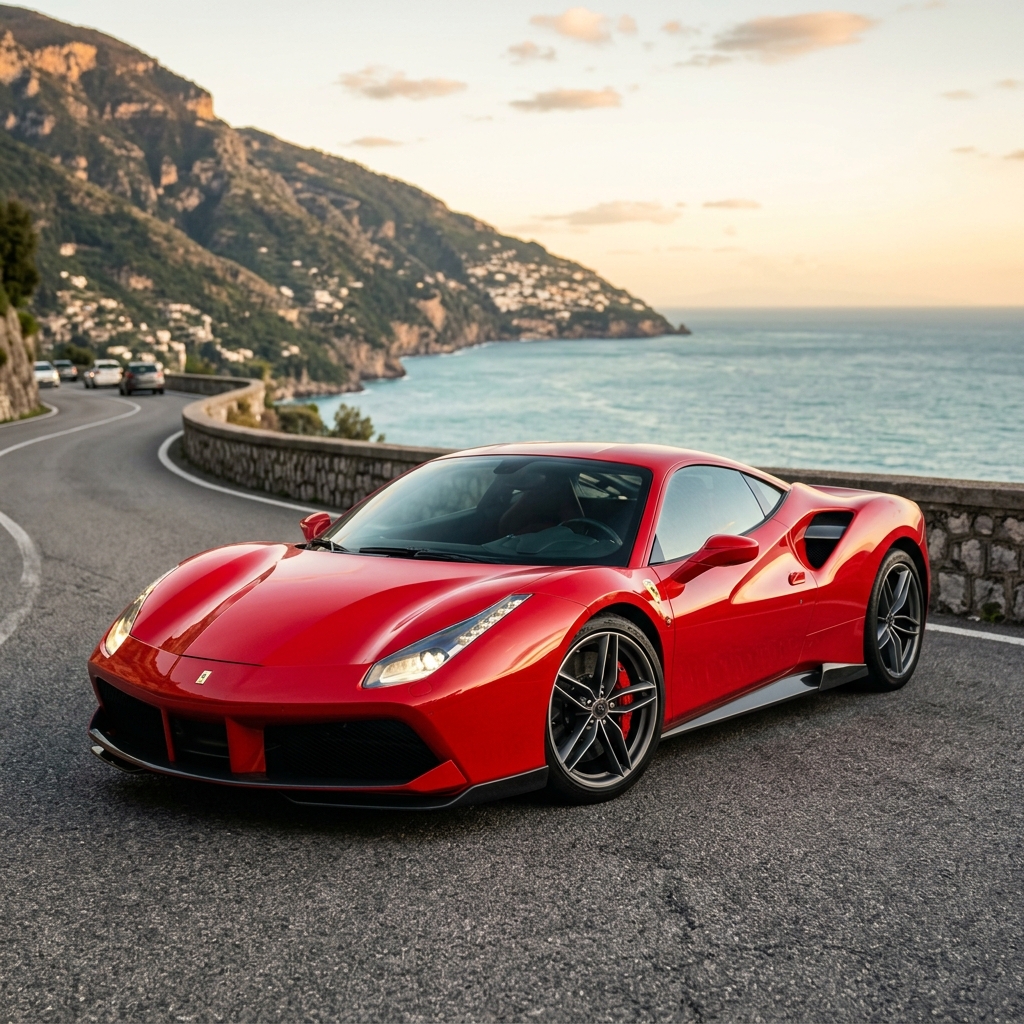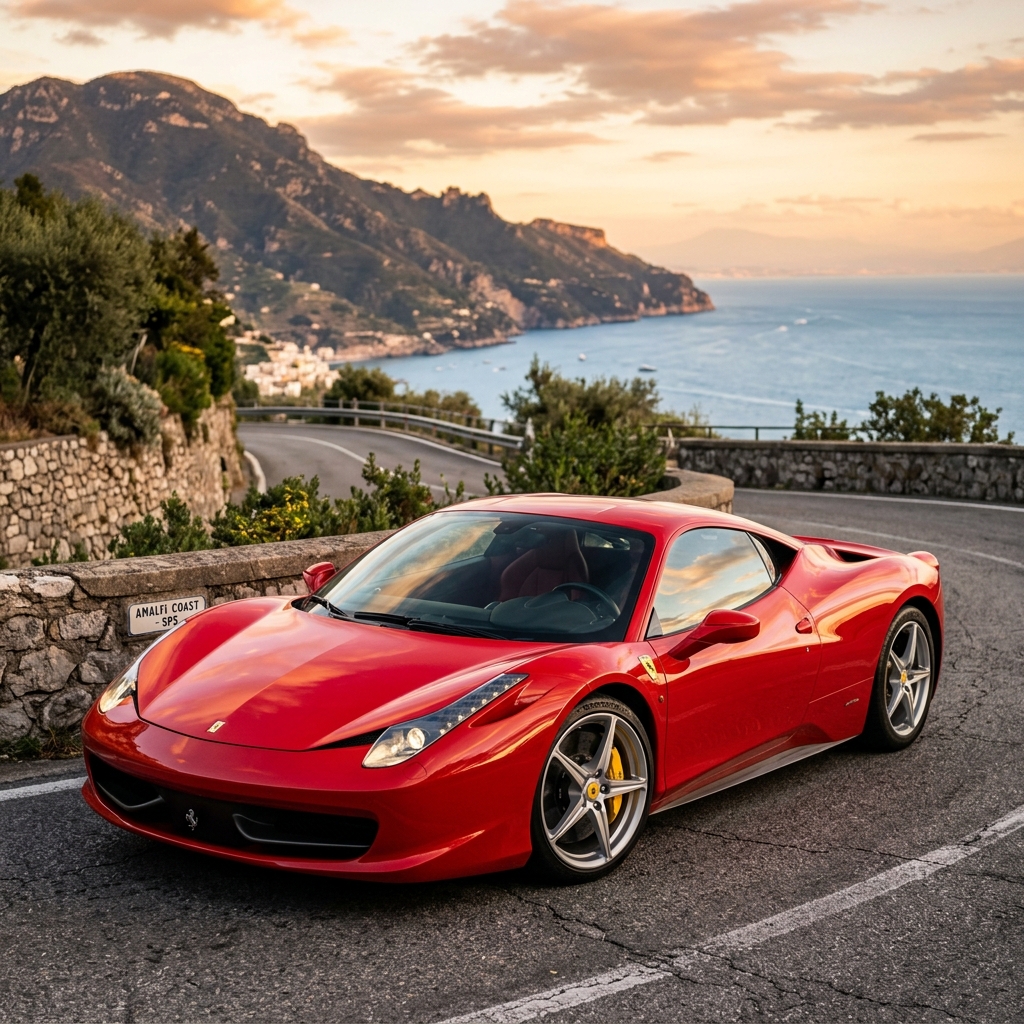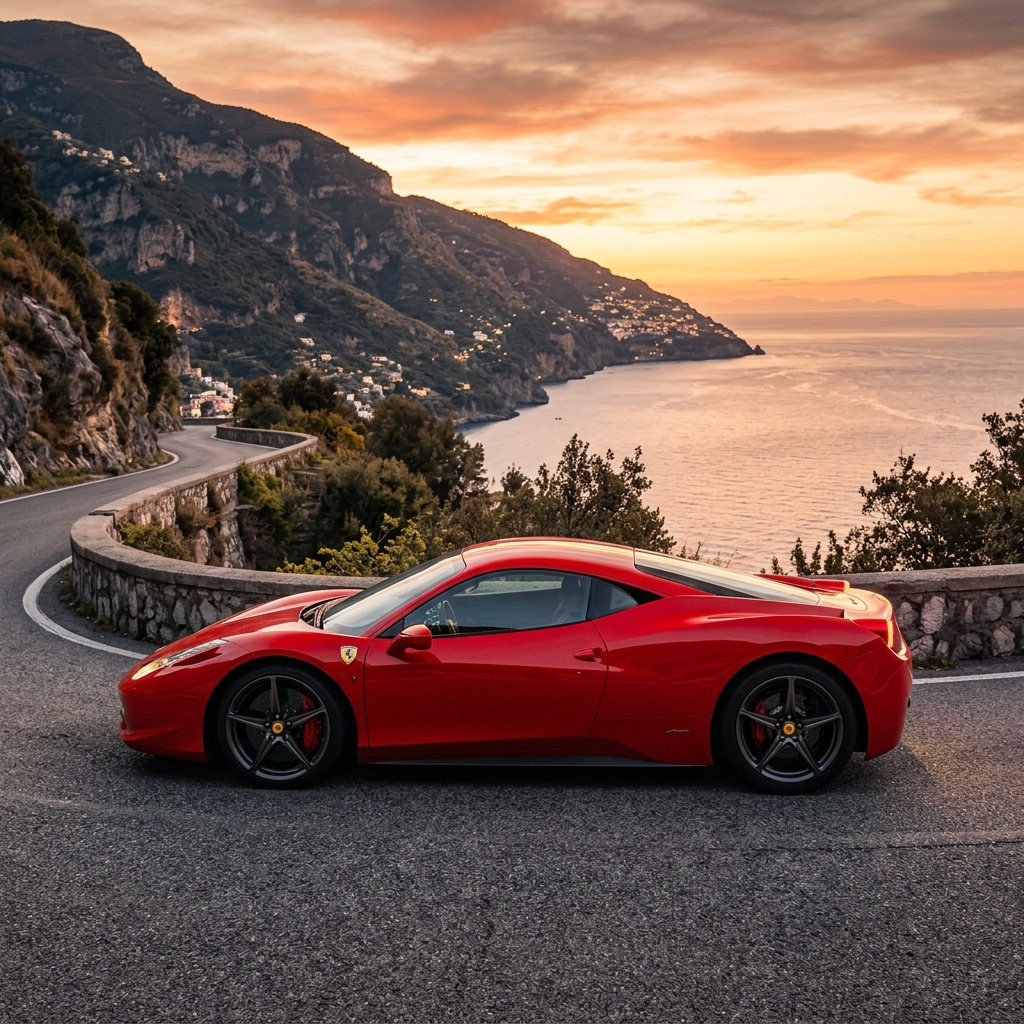
Ferrari F8 Tributo: Reliability Guide & Ownership Realities
"Good news: the Ferrari is one of the more reliable options in its class. But 'reliable' doesn't mean 'maintenance-free.' This guide covers every known weak point and the exact mileage where problems emerge."
Engine
8/10
Gearbox
8/10
Electric
7/10
Total Risk
3/10
Quick Verdict
BuyA highly reliable luxury option. Buy with confidence but verify service history.
Reliability Verdict
Excellent long-term reliability profile with manageable routine maintenance costs. Powertrain is solid, but electronics require periodic updates.
Executive Intelligence Summary
A buyer's guide detailing the reliability, ownership costs, and known issues of the Ferrari F8 Tributo, featuring the peak iteration of the F154 V8.
In This Guide
The Ferrari F8 Tributo represents the pinnacle - d the end - Maranello’s mid-engine V8 era. As its name implies, it is a tribute to the F154 V8 engine, taking the exact 710-horsepower architecture from the hardcore 488 Pista and placing it into a more comfortable, livable grand touring body.
Because the F8 represents the final evolution of a chassis and powertrain that began back in 2016 with the 488 GTB, nearly all the early teething issues have been engineered out. It is arguably the most reliable modern mid-engine Ferrari available today.
F8 Tributo Engine Reliability (F154-CG)
The 710-hp F154-CG variant in the F8 Tributo uses 50% new parts compared to the standard 488 GTB. It utilizes titanium connecting rods, a revised exhaust layout (using Inconel manifolds), and a vastly improved intake plenum.
These high-end racing materials do not just improve performance - ey drastically improved the engine’s long-term durability.
Failure Probability Timeline
Covered almost entirely by the factory 3-year warranty and the 7-year Genuine Maintenance program. The F8 is essentially flawless in this window.
- Minor electronic glitches (infotainment freezes)
The primary risk window for transmission electronics. The car is likely out of the 3-year factory warranty but still within the 7-year free maintenance window.
- DCT Speed Sensor degradation
- Sticky interior buttons
Thermal fatigue begins to set in on exhaust components, and suspension components may show aging.
- Inconel exhaust manifold stress fractures
- Engine mount wear
*Data based on owner-reported failures and specialist shop frequency reports.
What Ferrari Fixed from the 488
If you are cross-shopping a 488 GTB and an F8 Tributo, here is what your premium buys you in terms of reliability:
- No High-Pressure Fuel Pump (HPFP) Failures: The early HPFP seizures that plagued 2016 model 488s are completely absent on the F8.
- Stronger Turbo Actuators: The sensors controlling boost pressure are vastly improved, minimizing the “limp mode” issues seen under heavy load on older models.
- Improved Exhaust Manifolds: By switching to Inconel (a hyper-expensive superalloy used in F1 engines), the F8 is far less susceptible to the cold-start header ticking and cracking that the 458 and 488 suffer from.
The Lingering Flaws
While the engine is solid, the F8 carries over some chassis-level Italian quirks that buyers must prepare for.
1. The Getrag DCT Speed Sensor
The 7-speed dual-clutch transmission is mechanically identical to the unit in the 488. Unfortunately, this means it still contains the internal SAP speed sensor wiring harness that degrades in hot transmission fluid over time. While failure rates seem lower (likely due to software improvements managing fluid temps), a failure post-warranty implies an $8,000 to $12,000 rebuild bill from an independent specialist.
2. GPF (Gas Particulate Filter) Sensors
To meet strict European emissions laws, the F8 (unlike the 488) incorporates a GPF in the exhaust system. These dense honeycomb filters mute the engine note considerably, but more importantly, the pressure differential sensors monitoring them can fail. If a GPF sensor reads a clog (even if it’s a false positive), the car immediately enters limp mode, cutting boost entirely. A replacement sensor and calibration is a $1,500 dealership fix.
Verdict: The Ideal Long-Term Hold
If you want a modern, twin-turbo mid-engine Ferrari to actually drive 5,000+ miles a year without extreme financial anxiety, the F8 Tributo is the ultimate choice. It is infinitely more reliable than a McLaren 720S of the same era and represents the apex of a powertrain that took Ferrari five years to perfect.
Keep a $10,000 emergency fund for unexpected DCT repairs, utilize an independent European shop for post-warranty fluid changes, and the F8 will serve as a remarkably dependable exotic.
Keep Reading
- Ferrari 458 Italia vs Porsche 911 Turbo: Drama vs Precision
- Ferrari 458 Italia vs BMW M8: The Icon vs The Beast
- Porsche 911 Turbo vs BMW M5: The Surgeon vs The Sledgehammer