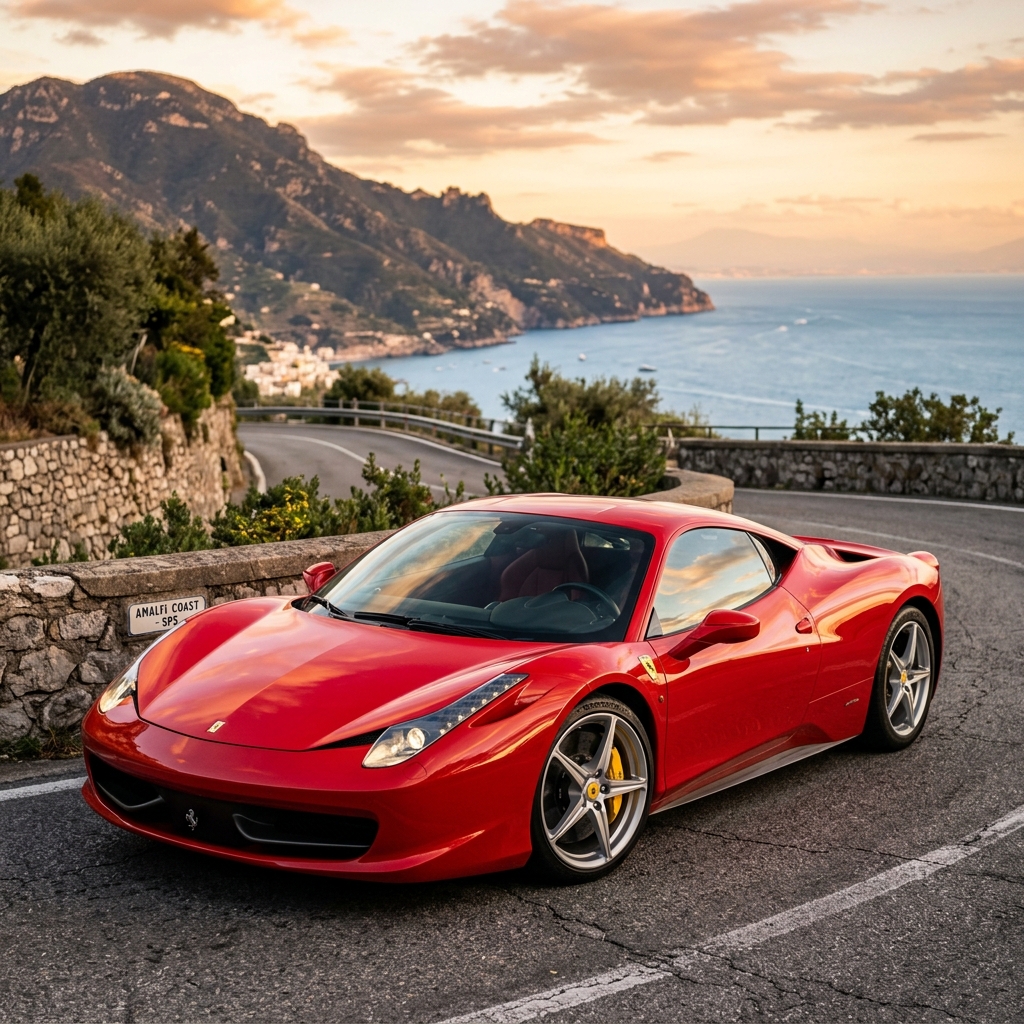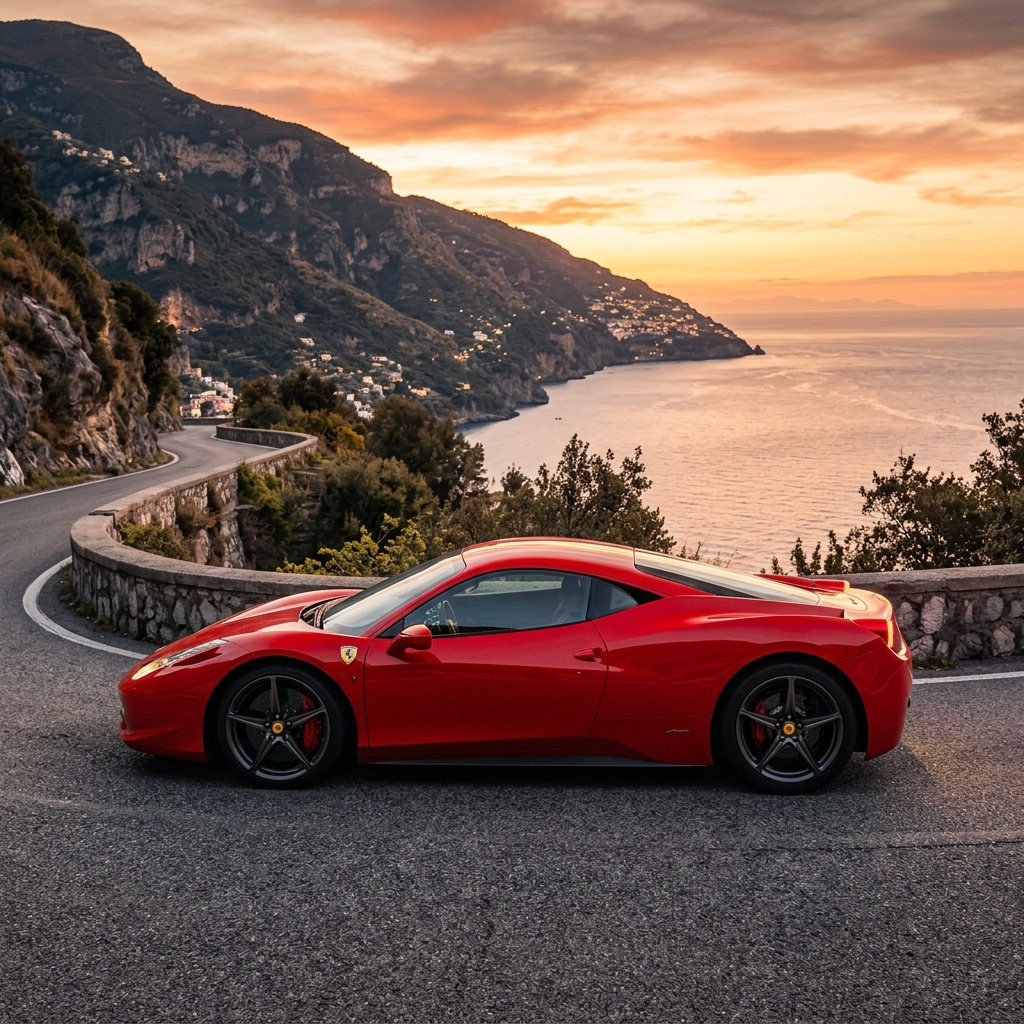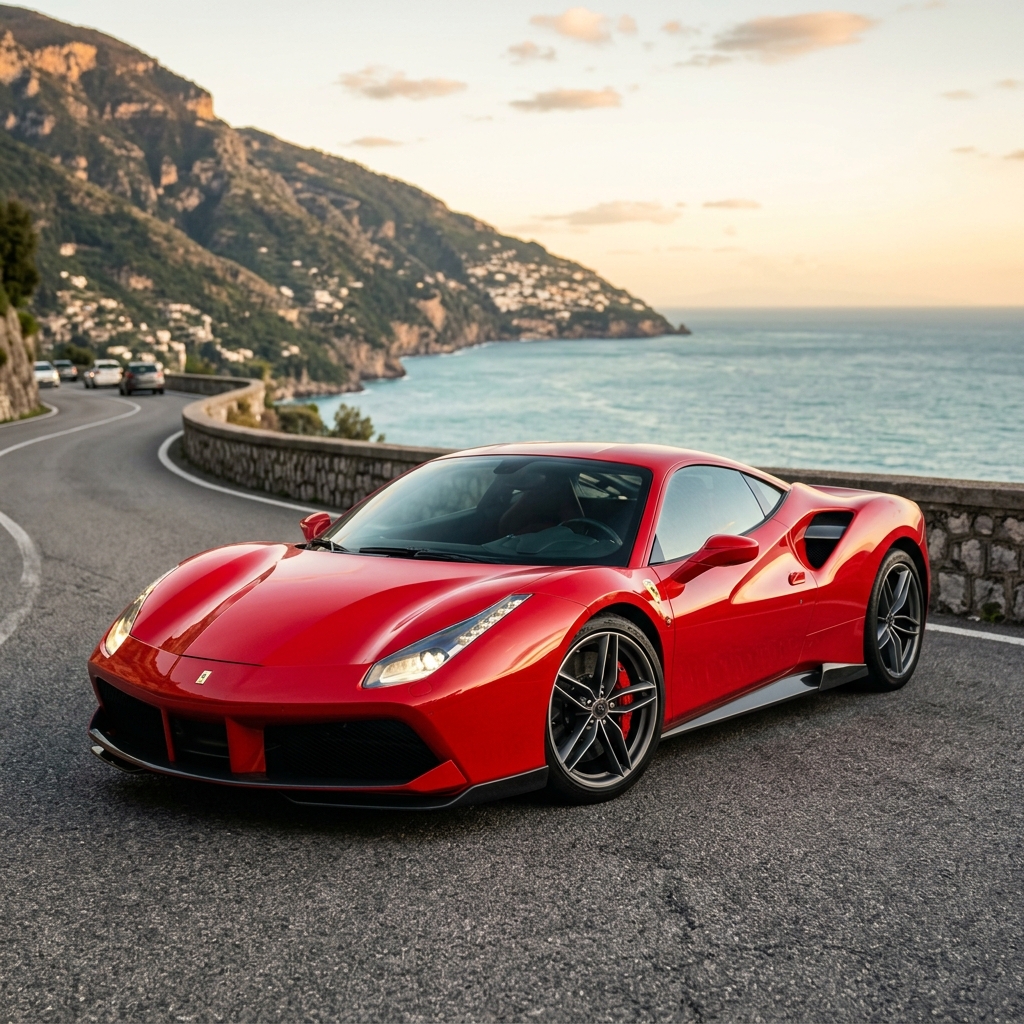
Ferrari 488 GTB: Reliability Guide & Known Issue Analysis
"The 488 GTB fixed the 458's sticky dashboard problem but introduced turbocharging to the mid-engine V8 for the first time. That means new failure modes. Here's what three years of owner data reveals."
Engine
7/10
Gearbox
7/10
Electric
6/10
Total Risk
4/10
Quick Verdict
Buy with CautionExpect significant running costs. Manageable if preventative maintenance is done.
Reliability Verdict
The Ferrari 488 is mechanically strong but has a systemic $10k-$12k DCT sensor failure. While dealers often suggest a full $35k transmission replacement, specialists can repair the specific sensor. Twin-turbo heat management is the primary long-term concern.
Executive Intelligence Summary
Ultimate 488 GTB & Spider reliability guide. Learn why the F154 engine is strong but the gearbox electronics are a $35k dealer trap you can fix for $10k.
In This Guide
Ferrari 488 Reliability: $12,000 DCT Sensors & Twin-Turbo Risks
Important
Featured Intelligence: Is the Ferrari 488 Reliable? It is significantly more robust than previous generations, but it shares a systemic DCT speed sensor failure that dealers often quote $35,000 to fix via full replacement. Independent specialists can repair the sensor for ~$10,000. The F154 twin-turbo engine is durable, provided the wastegate actuators ($5k) aren’t heat-damaged.
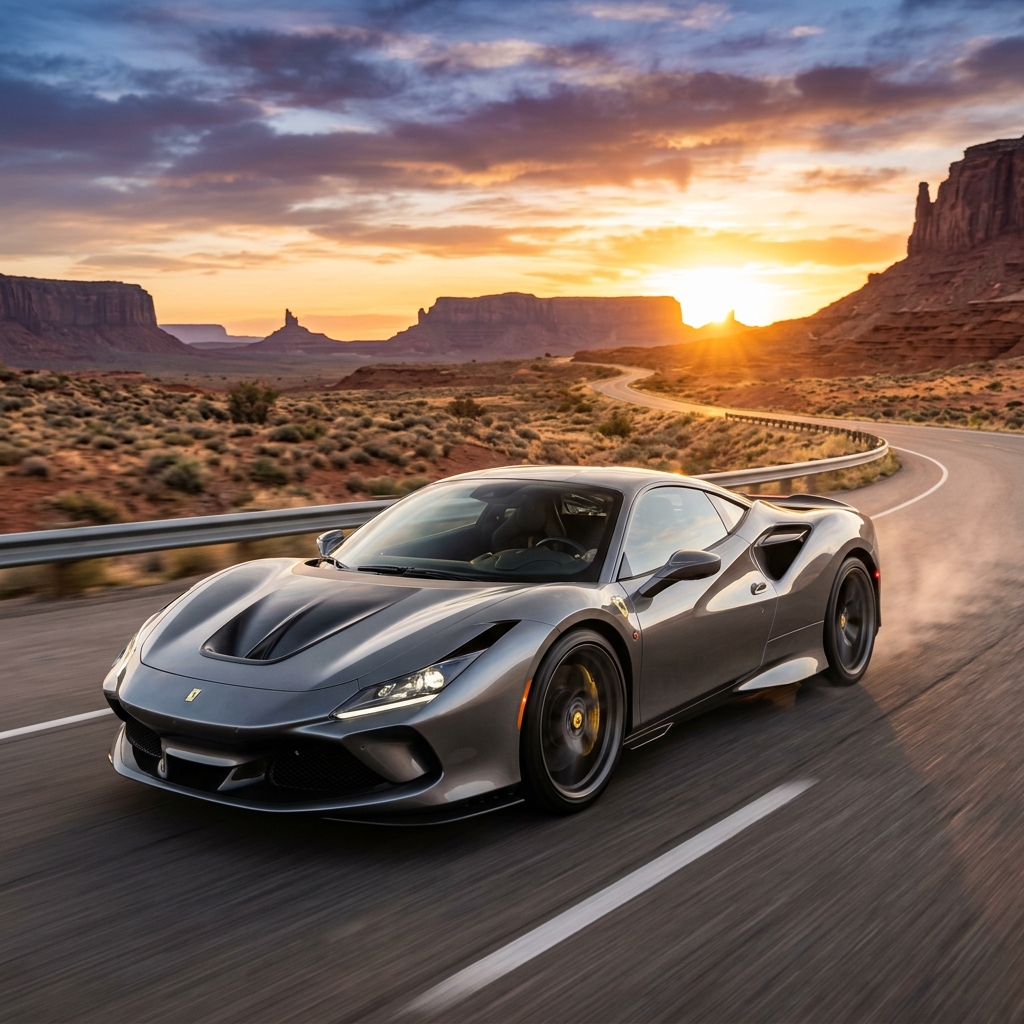
The Ferrari 488 GTB marked the controversial end to Maranello’s naturally aspirated mid-engine V8 lineage. By slapping twin IHI turbochargers onto the newly developed F154 engine, Ferrari achieved 661 horsepower - massive 99-hp jump over the outgoing 458 Italia.
For the used buyer, the 488 represents a massive performance bargain. It offers hypercar acceleration for the price of a well-optioned modern Porsche 911. But how ruinous is it to maintain a twin-turbo Italian exotic out of warranty?
The 488’s Core Reliability (The F154 Engine)
The F154 engine in the 488 is widely considered a massive step forward in reliability over older Ferrari V8s. There are no timing belts to snap (it uses chains), no F1 automated-manual clutches to burn out at stoplights, and no catastrophic bore scoring issues.
However, the addition of two turbochargers introduced massive thermal loads into the engine bay.
Known Engine Vulnerabilities
- Exhaust Manifold Cracks: A holdover issue from the 458 and F430. Heat causes stress fractures in the OEM headers. You will hear a loud ticking on cold start. Cost: $8,000+
- Turbo Wastegate Failure: The turbochargers get so hot that the wastegate actuator linkages warp over time, leading to boost control errors and check engine lights under heavy acceleration. Cost: $5,000+ via Indie repair.
- High-Pressure Fuel Pumps (Early Models): 2016 and 2017 model year 488s frequently saw HPFP failures, preventing the car from starting when the engine was hot.
The DCT Transmission Nightmare
The Getrag-supplied 7-speed Dual-Clutch Transmission (DCT) is the single largest financial risk when buying a 488 out of warranty.
Mechanically, the gears and clutches are incredibly strong. The weakness lies entirely in the electronics submerged in the transmission fluid - ecifically, the Speed Sensor (SAP).
The SAP wiring harness degrades in the hot oil. When it shorts out, the dashboard flashes “Gearbox Failure,” and you lose either all odd or all even gears (e.g., the car will only shift 1, 3, 5, 7).
- The Dealer Solution: Ferrari dealerships will demand you replace the entire transmission for $35,000.
- The Independent Solution: Specialized shops crack the case open, replace the sensor harness, and reseal it for $8,000 to $12,000.
The “Sticky Button” Curse
Ferrari uses a “soft-touch” rubberized coating on all interior plastics (window switches, climate controls, hazards). After 5-7 years of UV exposure and heat, this coating chemically breaks down into a sticky, black glue that ruins your fingers and clothes.
This happens to 100% of all 488s. Dealerships replace the buttons with OEM equivalents that will just melt again in 5 years. The permanent solution is sending the buttons to a company like Sticky RX, who strips the coating and refinishes them in hard-touch laser-etched plastic for around $2,500.
Carbon Ceramic Brake (CCB) Costs
The 488 comes standard with massive Carbon Ceramic Brakes. Most owners garage-queen their cars, so brake wear isn’t an issue. However, if you buy a 488 with 25,000+ miles that has seen track days, you must have the rotors physically weighed with a specialized tool before purchase.
CCB rotors do not lose thickness - ey lose mass as they oxidize. A full set of replacement factory rotors and pads will exceed $20,000.
Verdict: Is the 488 Safe to Buy?
Yes, provided you do your homework. The Ferrari 488 is vastly more robust than a McLaren 720S of the same era.
If you are buying a 2016-2019 488, you must allocate a $15,000 cash reserve specifically for the inevitable DCT speed sensor repair. Beyond that, perform annual fluid services, keep it on a battery tender, and the 488 will prove to be a remarkably dependable 205-mph daily driver.
Keep Reading
- Ferrari 458 Italia vs Porsche 911 Turbo: Drama vs Precision
- Ferrari 458 Italia vs BMW M8: The Icon vs The Beast
- Porsche 911 Turbo vs BMW M5: The Surgeon vs The Sledgehammer
Executive Buying Advice
Inspect for DCT shift hesitation. If no documented speed sensor repair has been done by 20k miles, negotiate a $10k discount. Budget for professional button restoration.