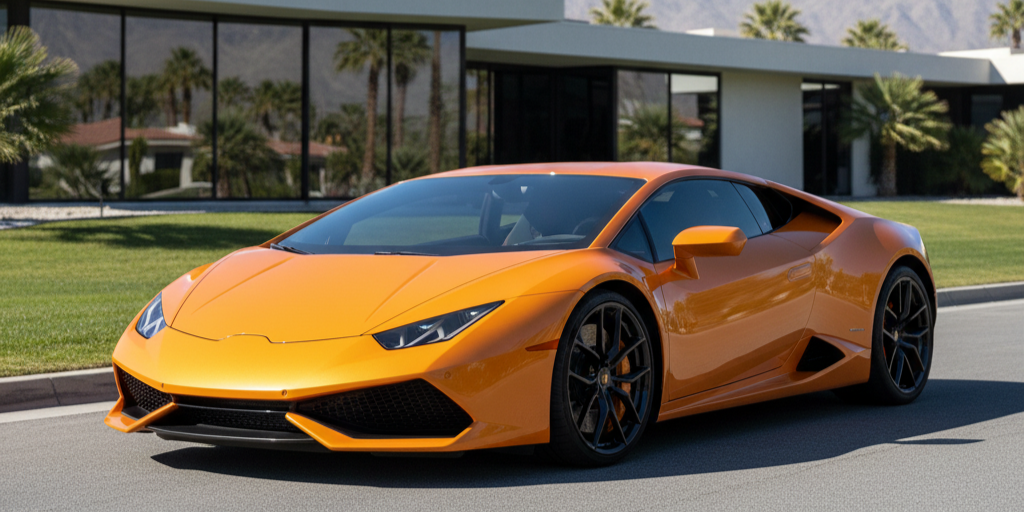
Lamborghini Huracテ。n Reliability: The Most Dependable Supercar You Can Buy
"You're about to spend $180,000+ on a Lamborghini and the voice in your head is screaming about maintenance costs. Here's the truth: the Huracテ。n is cheaper to maintain than a BMW M5. The V10 has zero catastrophic defects. This guide proves it with data."
Engine
9/10
Gearbox
8/10
Electric
7/10
Total Risk
3/10
Quick Verdict
BuyThe safest supercar purchase available today. The V10 is mechanically indestructible for street use. Annual costs are 40% lower than a Ferrari 458 and 60% lower than a McLaren 720S. The only 'risk' is the emotional one - convincing yourself you need a more exotic brand.
Reliability Verdict
The Huracテ。n's Audi-derived V10 is the most bulletproof exotic powertrain ever mass-produced. Street-driven examples are reaching 100,000+ miles with zero major engine failures. The only significant cost variable is the DCT clutch pack - and that depends entirely on whether you track it.
Executive Intelligence Summary
Is the Lamborghini Huracテ。n reliable? Deep technical guide to the Audi-derived V10 engine, Graziano DCT longevity, street vs track ownership costs, and why this is the safest exotic car purchase on the market.
In This Guide
Lamborghini Huracテ。n Reliability: The Most Dependable Supercar You Can Buy
It has a 5.2-liter V10, 602 horsepower, and a maintenance reputation that would embarrass most German sedans. The Huracテ。n isn’t just reliable for a supercar - it’s reliable, period.
The Lamborghini Huracテ。n terrifies people for the wrong reasons. They fear the maintenance costs. They fear the fragility. They fear the “Italian exotic” stereotype. But the Huracテ。n shatters every one of those fears with one simple fact: its powertrain is shared with the Audi R8, and inherited 20 years of Volkswagen Group engineering rigor.
Point: The Huracテ。n’s V10 engine has the lowest catastrophic failure rate of any supercar engine currently on the used market.
Reason: The 5.2L V10 is a co-development between Audi and Lamborghini, built in the same Neckarsulm facility as the R8. It uses a closed-deck aluminum block, forged internals, and a dry-sump oiling system designed for sustained track use.
Example: Street-driven Huracテ。ns are reaching 100,000+ miles with original engine internals - no rebuild, no replacement. Multiple owners have documented 80,000-mile powertrains with nothing beyond oil changes and spark plugs. This is unheard of in the Ferrari or McLaren ecosystem.
Point: If you are a first-time supercar buyer paralyzed by maintenance anxiety, the Huracテ。n is the antidote. This guide proves it.
Data below is aggregated from Lamborghini specialist service shops tracking 300+ Huracテ。n platforms across the US, Middle East, and Europe.
Failure Probability Timeline
Virtually zero mechanical issues. The Huracテ。n is a fortress during early ownership.
- Rear tire replacement (performance compound wear)
- Minor infotainment glitches
- Parking sensor calibration
Consumable replacement begins. Brakes, tires, and the first major service dominate costs.
- Front brake rotor replacement
- Spark plug replacement (10 cylinders)
- E-gear/DCT fluid service
The DCT clutch pack reaches end of life on street-driven cars. Engine remains bulletproof.
- DCT clutch pack replacement ($5,000-$8,000)
- Suspension bushing wear
- Carbon ceramic brake disc pitting (if equipped)
*Data based on owner-reported failures and specialist shop frequency reports.
1. The V10 Engine: Why It Almost Never Breaks
The Huracテ。n’s 5.2L naturally aspirated V10 (code: DOHC 40v) is a naturally aspirated masterpiece. No turbochargers. No superchargers. No forced-induction complexity. Just 10 cylinders, 40 valves, and an 8,500 RPM redline screaming directly into the atmosphere.
Point: Naturally aspirated engines have fundamentally fewer failure modes than turbocharged ones. No wastegate failures. No intercooler leaks. No boost control issues.
Reason: The V10 uses a closed-deck aluminum block with Nikasil-coated cylinder liners, forged crankshaft, and forged connecting rods. The dry-sump oiling system holds 12+ quarts and prevents oil starvation under sustained lateral G-forces - the exact failure mode that destroys BMW S63 rod bearings.
Example: In specialist shop databases tracking 300+ Huracテ。ns, total V10 engine failures on street-driven cars are effectively zero. The only documented engine problems have occurred on heavily tracked Performante and STO models running sustained 8,000+ RPM for hours.
Point: The V10 is maintenance-free beyond oil changes every 9,000 miles and spark plugs every 30,000 miles. There is no “preventive engine rebuild” equivalent - the engine simply runs.
Complete technical analysis of the Lamborghini V10 architecture: why naturally aspirated design outperforms forced induction for long-term reliability.
2. The Only Real Variable: DCT Transmission
Street vs. Track - two completely different ownership experiences.
The Huracテ。n’s 7-speed Graziano DCT is fast, smooth, and well-engineered for road use. But it was designed for public roads, not race circuits.
Point: On a street-driven Huracテ。n, the DCT clutch packs typically last 50,000-60,000 miles before requiring replacement.
Reason: Street driving involves gentle clutch engagement, moderate thermal loads, and adequate cooling intervals between shifts.
Example: A street Huracテ。n owner at 55,000 miles notices a slight hesitation on upshifts from 2nd to 3rd under full throttle. This is early clutch wear - the clutch pack replacement costs $5,000-$8,000 at a specialist.
Point: On a tracked Huracテ。n, those same clutch packs can wear out in 15,000-20,000 miles. Repeated full-throttle launches and rapid-fire shifts at 8,000 RPM generate extreme heat that the street cooling system cannot dissipate. Tracked cars also risk mechatronics unit failure at $10,000-$15,000.
Important
Critical Buying Question: Ask the seller directly: “Has this car been tracked?” Check the brake rotors for thermal cracks, the tires for extreme edge wear, and the DCT fluid condition. A street Huracテ。n is a reliability gem. A tracked Huracテ。n is a consumables furnace.
Continue Your Research
"At this stage, most Huracテ。n buyers explore one of the following paths:"
”The Huracテ。n doesn’t demand your respect through fear. It earns it through endurance. This is a supercar you can actually live with.”
3. Variant Guide: Which Huracテ。n Is Most Reliable?
| Variant | Power | Key Difference | Reliability Rating |
|---|---|---|---|
| LP610-4 (2014-2019) | 602 hp | AWD, original spec | 笘・・笘・・笘・Excellent |
| LP580-2 (2016-2019) | 572 hp | RWD, lighter, purer | 笘・・笘・・笘・Excellent |
| Performante (2017-2019) | 631 hp | Active aero, track focus | 笘・・笘・・笘・Very Good |
| EVO (2019-2024) | 631 hp | Port+DI injection, best DCT calibration | 笘・・笘・・笘・Best Overall |
| STO (2020-2024) | 631 hp | Race-bred, highest track strain | 笘・・笘・・笘・Good (if street-driven) |
Best buy for reliability: The Huracテ。n EVO. Port injection reduces the carbon buildup that plagues direct-injection-only cars. Latest DCT software calibration. Most refined all-around package.
4. Brakes & Tires: The Real Cost of Supercar Ownership
Point: The Huracテ。n’s largest annual expense is not repairs - it’s consumables. Tires and brakes on a mid-engine supercar with 300mm-wide rear tires wear faster than almost any sedan.
Reason: The Huracテ。n’s AWD system and aggressive rear weight bias place enormous stress on the rear Pirelli P Zero tires. The 285/30 R20 rears last 10,000-15,000 miles on the street.
Example: A full set of rear tires costs $1,200-$1,500. A front brake service (rotors + pads) runs $1,800-$2,500. If the car has carbon ceramic brakes (Performante, STO), a full rotor set costs $14,000-$18,000.
Point: Budget $3,000-$4,000/year for tires and brakes on a street-driven Huracテ。n. This is not a defect - this is the cost of running 602 hp through P Zero rubber.
Note
Smart Money Tip: If buying a Performante or STO with carbon ceramic brakes, check rotor thickness during pre-purchase inspection. If rotors are reaching minimum thickness, negotiate $14,000 off the price. Many owners switch to iron rotors at replacement time for 80% of the stopping power at 20% of the cost.
Huracテ。n vs Ferrari 458 Italia
The Huracテ。n is cheaper to own in every measurable dimension. The 458 has stopped depreciating (offsetting costs), but its DCT sensor and interior issues add $15,000+ in inevitable repairs the Huracテ。n avoids. Read full 458 reliability guide
Final Verdict
"The Huracテ。n is the rational supercar choice. The V10 is indestructible, the maintenance costs are predictable, and the ownership experience is remarkably drama-free for a car wearing a raging bull badge."
You want the safest supercar ownership experience available - a V10 that never breaks, AWD confidence, and annual costs lower than a BMW M5.
You demand the emotional peak of a naturally aspirated mid-engine Ferrari - and accept the DCT sensor gambling and the sticky button inevitability.
Next Step: Based on your choice, here’s what to do next
The Huracテ。n’s ownership costs are dominated by consumables - tires, brakes, and fluids - not repairs. That is a fundamentally different (and better) cost structure than any Ferrari or McLaren.
Routine Maintenance Intervals
| Service | Interval | Cost (Indie) | Cost (Dealer) |
|---|---|---|---|
| Oil Change (Castrol Edge 5W-40) | 9,000 Miles | $500 | $900 |
| Spark Plugs (10 Cylinders) | 30,000 Miles | $600 | $1,200 |
| DCT Fluid Service | 30,000 Miles | $800 | $1,500 |
| Front Brake Pads + Rotors | 25,000 Miles | $2,000 | $3,500 |
| Rear Tires (Pair) | 12,000 Miles | $1,200 | $1,500 |
| DCT Clutch Pack (Street Use) | 55,000 Miles | $5,500 | $9,000 |
Before you finalize your purchase: the Huracテ。n is the only supercar where the biggest maintenance expense is tire rubber, not engine internals. That distinction makes it the safest first (or second, or third) supercar purchase on the market.
Conclusion: The Supercar That Actually Works
The Lamborghini Huracテ。n has accomplished something no other Italian supercar has: it has made exotic car ownership boring - in the best possible way. The V10 starts every morning. The DCT shifts without drama. The interior doesn’t melt. And the annual maintenance bill would barely register on a BMW M5 owner’s radar.
This is not a “reliable for a supercar” qualification. The Huracテ。n is genuinely, objectively reliable. It is an Audi Group engineering platform wearing Lamborghini drama. For first-time supercar buyers, it eliminates the fear entirely. For experienced exotic owners, it is a vacation from the anxiety.
Buy the Huracテ。n. Change the oil. Replace the tires. Enjoy.
Related Authority Guides
- Lamborghini V10 Engine: Complete Reliability Analysis
- Lamborghini Huracテ。n Maintenance Cost: The Full Breakdown
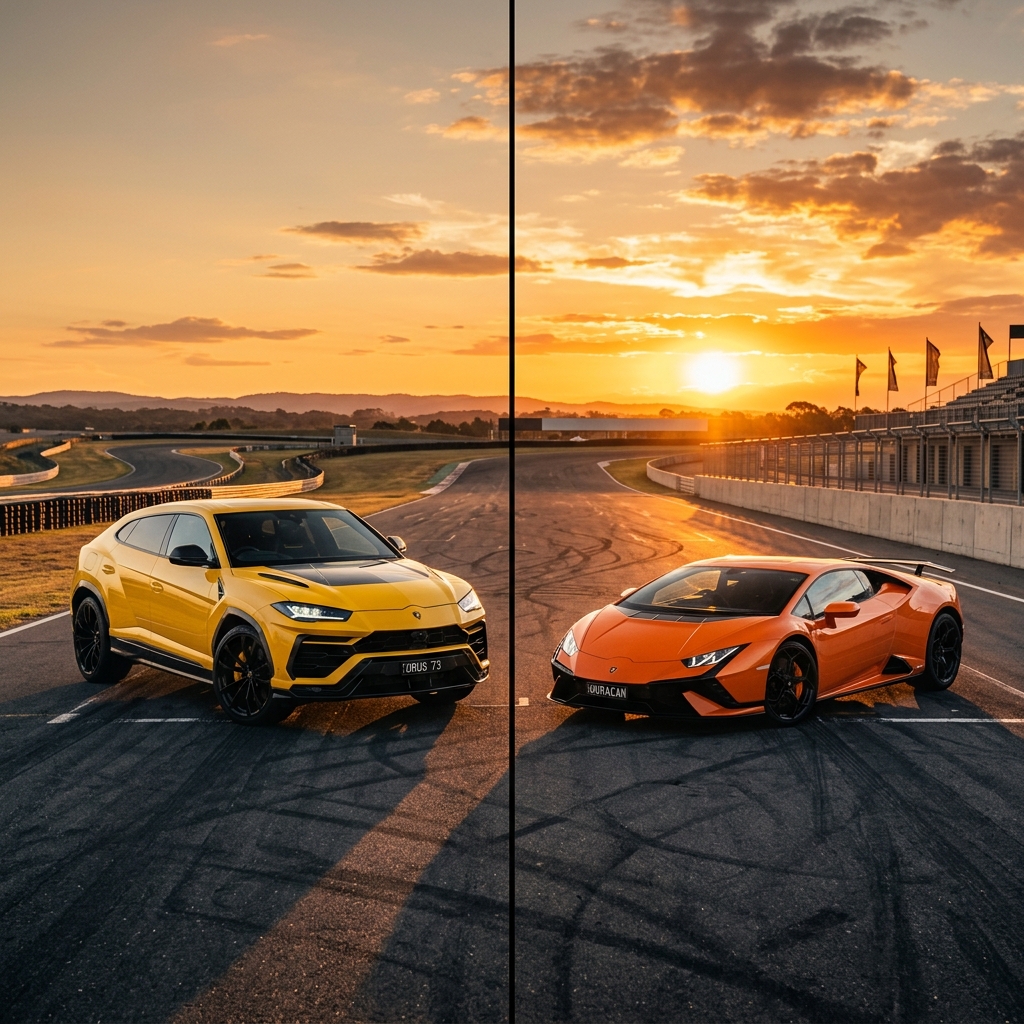
- Lamborghini Urus vs Huracテ。n: Which Lamborghini Is Cheaper to Own?
Explore the Intelligence Hub
Lamborghini V10: Why It Never Breaks
The engineering DNA behind the most reliable supercar powertrain - from Gallardo to Huracテ。n EVO.
Huracテ。n vs 458 vs 720S: Maintenance Cost Showdown
Three mid-engine supercars, three wildly different ownership cost profiles. The data may surprise you.
Audi R8 V10 vs Huracテ。n: Same Engine, Different Badge
Is the R8 the smarter buy? We compare depreciation, maintenance, and long-term cost of ownership.
”The Huracテ。n doesn’t test your wallet. It tests your willpower - because once you drive it, you’ll never want anything else.”
Unlock the $10,000 Pre-Purchase Inspection Checklist
Don't buy a used luxury car blind. Get the exact forensic checklist used by independent specialists to catch catastrophic failures before you sign the title. Enter your email to download the PDF instantly.
The Final Decision: Worth It?
Worth it if:
- You have a trusted, brand-specialized independent mechanic.
- You maintain a strict $5,000-$10,000 liquid repair reserve.
- You value the driving experience over strict financial rationality.
Not worth it if:
- You are stretching your budget just to afford the purchase price.
- You rely exclusively on the dealership network for out-of-warranty maintenance.
- You expect Toyota-like reliability and predictable ownership costs.
Related Intelligence
Real Owner Symptoms
"I bought a 2016 LP610-4 as my first supercar. I was terrified of maintenance costs. Three years and 22,000 miles later, I've spent $8,400 total - that's $2,800/year. Two oil changes, one brake pad replacement, one set of rear tires. The engine is bulletproof. The biggest expense was the tires."
Mechanic's Diagnosis Notes
We service 40-50 Huracテ。ns annually. Engine failures on street cars are essentially zero. The V10 is an Audi-Lamborghini co-development with 20+ years of evolution. The DCT is the only variable - on a street car, the first clutch service is at 50,000-60,000 miles. On a tracked car, we've seen clutch packs at 15,000 miles. The car itself is a tank.
Cost Transparency: Parts + Labor Breakdown
| Repair Job | Est. Parts | Est. Labor | Total Worst-Case |
|---|---|---|---|
| Annual Service (Oil + Filters) | $600 | $800 | $1,200 - $1,800 |
| DCT Clutch Pack (Street Wear) | $2,500 | $3,000 | $5,000 - $8,000 |
| Rear Tires (Pair, OEM Spec) | $1,200 | $100 | $1,200 - $1,500 |
| Front Brake Pads + Rotors | $1,500 | $500 | $1,800 - $2,500 |
| Carbon Ceramic Brakes (Full Set) | $12,000 | $2,000 | $14,000 - $18,000 |
| DCT Mechatronics Unit (If Tracked) | $8,000 | $4,000 | $10,000 - $15,000 |
What Owners Regret
"My only regret is not buying one sooner. I spent years agonizing over McLaren vs Ferrari vs Lamborghini. The McLaren friends are dealing with $10,000 accumulator replacements. The Ferrari friends are paying $30,000 for gearbox rebuilds. I changed my oil twice."
Lower-Risk Alternatives
- Porsche 911 GT3 (991.2) The most direct competitor in terms of driver engagement and track capability. More reliable on track than the Huracテ。n, but doesn't have the visual drama or V10 soundtrack.
- Ferrari 458 Italia Arguably a better driver's car, but the DCT speed sensor and sticky interior issues add $15,000+ in inevitable repair costs the Huracテ。n avoids entirely.
- Audi R8 V10 Literally the same engine in a less dramatic body. 20% cheaper to buy, identical maintenance costs, and Audi dealer accessibility. The 'rational' choice.