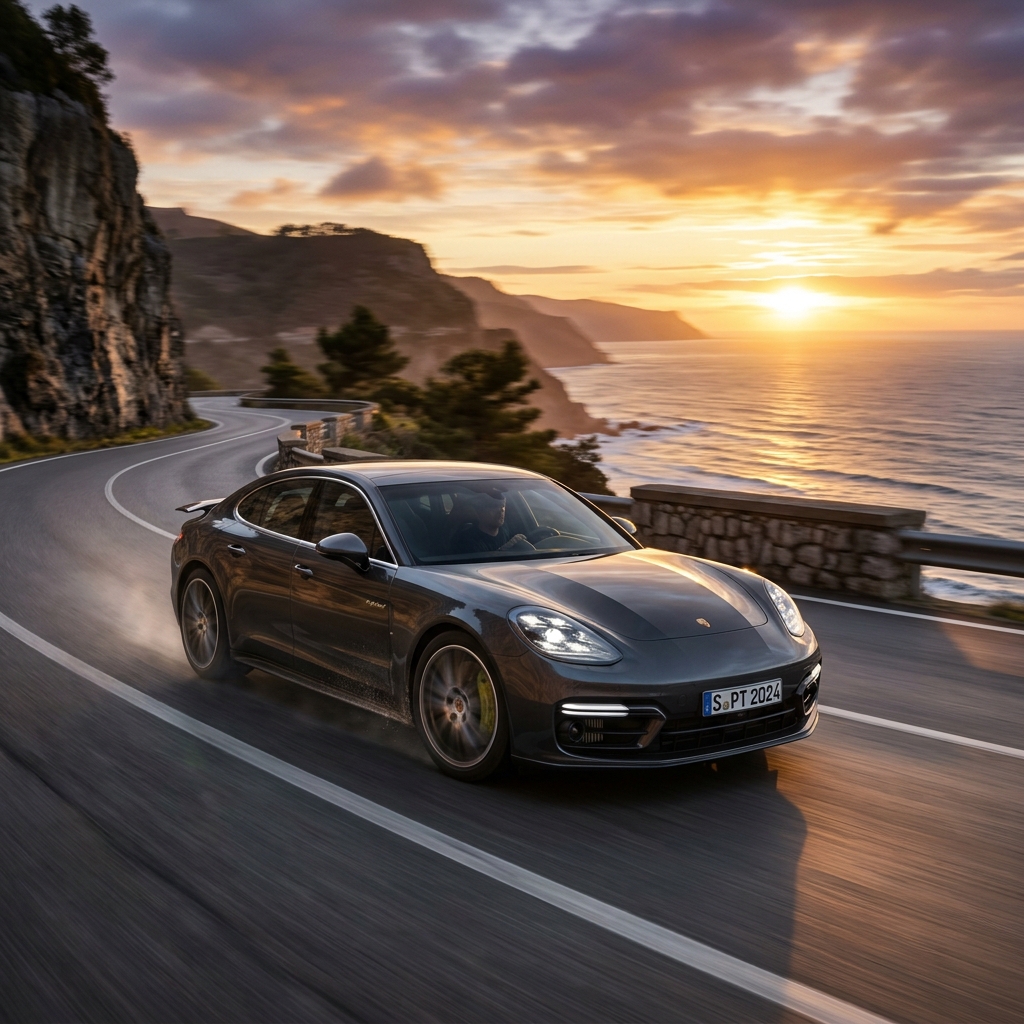
Porsche Panamera Turbo 971: Common Problems & Repair Costs
"The 971 Panamera Turbo uses Porsche's 4.0T V8, which is shared with Audi and Bentley. It's reliable, but air suspension, PDCC anti-roll bars, and brake wear are the ongoing costs."
Engine
8/10
Gearbox
8/10
Electric
7/10
Total Risk
3/10
Quick Verdict
BuyA highly reliable luxury option. Buy with confidence but verify service history.
Reliability Verdict
The 971 Panamera Turbo uses the Audi-Porsche co-developed 4.0L V8 (EA825). It is solid mechanically but complex electronically. The main risks are the air suspension (guaranteed to fail eventually) and the complex folding rear spoiler. It is significantly more reliable than the BMW N63-powered sedans.
Overview
Is the Panamera Turbo (971) reliable? Detailed guide to the EA825 4.0L V8 engine, air suspension failures, and active spoiler issues.
In This Guide
Porsche Panamera Turbo (971) Reliability: The Autobahn Missile
The Panamera Turbo (971 Gen, 2017+) is a technological tour de force. It replaced the “ugly duckling” 970 with a sleek, 911-inspired design and a new 4.0L Twin-Turbo V8.
It is arguably the best all-around car in the world. But is it reliable?
1. Engine: The EA825 4.0L V8
The 971 Turbo uses the EA825 engine, co-developed with Audi (found in the RS6/RS7 and Lamborghini Urus).
- Hot-V: Turbos are inside the V.
- Cylinder Deactivation: Shuts off 4 cylinders for economy.
Reliability
It is excellent.
- No Bore Scoring: Unlike early V8s, the cylinder coating is solid.
- Turbos: Reliability is high. The oil screen issues that plagued the previous Audi 4.0T (EA824) were largely addressed in this generation.
- Weak Point: The Water Pump. Like the 911, it uses a vacuum-actuated shroud that can leak coolant into the vacuum lines.
2. Suspension: Ride on Air
Every Panamera Turbo comes with 3-Chamber Air Suspension.
- The Problem: Rubber cracks with age and heat.
- The Failure: The airbag leaks. The compressor burns out trying to keep it inflated.
- The Cost: Porsche charges $3,000 per strut. Aftermarket (Arnott) is ~$1,000.
- Timeline: Expect failure between 60,000 and 80,000 miles.
3. The “Iron Man” Spoiler
The 971 Turbo has the coolest spoiler in the game. It lifts, separates, and extends like an Iron Man suit.
- Complexity: It has multiple motors, gears, and linkages.
- Failure: Debris gets stuck, or a motor fails.
- Fix: Porsche does not sell individual gears. You buy the whole assembly. $2,500.
- Prevention: Keep it clean. Do not operate it when frozen.
4. Electronics: The Glass Cockpit
The 971 introduced the Advanced Cockpit with haptic touch buttons.
- Glitches: Early models (2017-2018) had PCM reboot issues.
- Fingerprints: Not a failure, but you will hate it.
5. Maintenance: The Porsche Tax is Real
- Brakes: The Turbo uses massive rotors (iron or ceramic).
- Iron Rotor Replacement: $3,000 (Front/Rear/Pads).
- PCCB Replacement: $20,000.
- PDK Service: The 8-speed PDK is a wet clutch unit. Fluid change every 40k miles is mandatory. $900.
- Spark Plugs: Bumper off job. $1,000.
6. Buying Guide
- Sport Turismo: The Wagon version holds value incredibly well. Buy it if you can find it.
- Hybrid Risks: The Turbo S E-Hybrid adds a high-voltage battery and electric motor. While fast, the complexity (and weight) increases failure points. The standard Turbo is the sweet spot.
- Coolant Lines: Check the plastic coolant “Y-pipe” under the intake manifold. It can become brittle.
7. Conclusion
The Panamera Turbo 971 is a reliable exotic. It does not have the “explode at 60k miles” gene of the BMW M5. It just has expensive suspension and spoilers. If you can budget $3,000/year for maintenance, it is the best sedan on earth.
Keep Reading
- Ferrari 458 Italia vs Porsche 911 Turbo: Drama vs Precision
- Ferrari 458 Italia vs BMW M8: The Icon vs The Beast
- Porsche 911 Turbo vs BMW M5: The Surgeon vs The Sledgehammer
Executive Buying Advice
Look for a CPO car if possible. Test the rear spoiler multiple times (it's a $2,500 part). Listen for air compressor cycling (indicates a leak). Verification of the water pump update is critical.