Porsche 911 991.1 (9A1 Flat-6): Complete Reliability Guide
"Are you worried about a $15,000 PDK or water pump repair for your 991.1?"
Engine
8/10
Gearbox
8/10
Electric
7/10
Total Risk
3/10
Quick Verdict
BuyThe 991 is mechanically bulletproof, but electronic transmission faults carry a heavy premium out of warranty.
Reliability Verdict
The 991.1 is widely considered one of the most reliable water-cooled Porsches. The 9A1 engine is bulletproof compared to the previous M96/M97 units. The only frequent failure points are the electronic Change-Over Valves and the PADM active engine mounts.
Executive Intelligence Summary
Is the Porsche 911 991.1 reliable? Technical guide to 9A1 engine durability, PDK sensor issues, and why it is the most reliable modern Carrera.
In This Guide
Porsche 911 (991.1) Reliability: The Last Analog-Feel Carrera
Well-maintained engines remain predictable. Neglected ones do not.
For buyers of early 991.1 models, the question is not if you will spend on drivetrain service - t is when. Avoiding the wrong 911 means understanding the exact failure window so you can make a confident purchase.
Unexpected repair costs can quickly change the ownership experience.
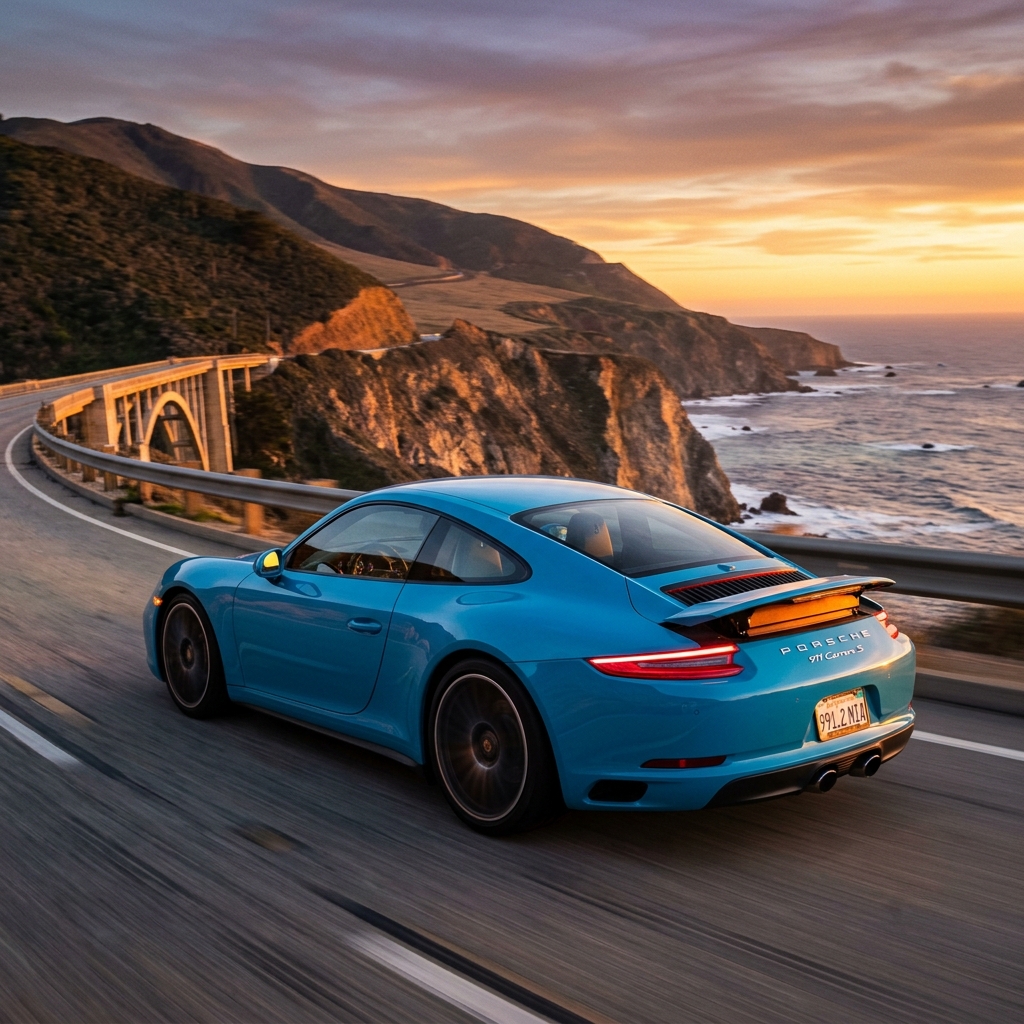
The Porsche 911 (991.1) represents the bridge between the old-school feel of the 997 and the turbocharged efficiency of the 991.2. For many purists, this is the “final” Carrera because it was the last to use a naturally aspirated flat-six across the entire range. Fortunately for second-hand buyers, the 991.1 is also one of the most mechanically sound high-performance cars on the market today.
Estimated baseline repair costs can vary significantly depending on total failure timing. Prepare accordingly.
Failure Probability Timeline
Most issues are minor electronic bugs related to early 991-platform systems.
- Change-over valve vacuum leaks
- Homelink programming glitches
- PCM infotainment reboots
Mechanical wear starts appearing in the active suspension and engine mounts.
- PADM Dynamic Engine Mount failure
- Door panel delamination
- Brake pad wear sensors
Long-term maintenance of the PDK and direct injection system is required.
- PDK clutch fluid service required
- Water pump weepage
- Fuel injector carbon buildup
*Data based on owner-reported failures and specialist shop frequency reports.
1. Primary Engine Problem: The 9A1 Carbon Reality
The 9A1 naturally aspirated flat-six is the engine that finally permanently banished the IMS bearing ghost. It uses a closed-deck design and integrated dry-sump lubrication that can handle track use without starving the bearings.
Why it matters: Total engine failures on stock 991.1s are virtually unheard of. However, being Direct Injection (DFI), the intake valves will eventually accumulate carbon buildup. Carbon cleaning (Walnut Blasting) will run between $1,200 and $1,800 every 60,000 miles to maintain full horsepower.
Why the previous 997 generation carries a much higher catastrophic failure risk.
At this point, most buyers compare this with the 991.2 generation.
2. Common Failure: Change-Over Valves (COVs)
When electronic bugs interrupt the premium experience.
The 991.1 is filled with small vacuum-actuated valves (COVs) that control everything from exhaust flaps to the cabin heater. These values are notorious for failing under thermal stress.
Why it matters: You will abruptly get a “Cooling System Fault” message, but the car isn’t actually overheating. Expect to pay $400 - $800 at an independent shop to replace the faulty valve with the latest revised part.
Continue Your Research
"At this stage, most buyers explore one of the following paths to refine their search:"
”When parts fail out of warranty, you are exposed to dealership labor rates. Preventative maintenance is critical.”
3. High-Cost Issue: PADM Dynamic Engine Mounts
If your 911 is equipped with the Sport Chrono package, it likely has Porsche Active Drivetrain Mounts (PADM). These mounts use magnetorheological fluid to stiffen during hard cornering.
Why it matters: An internal electronic component in the mount degrades over time. The car drives completely fine, but you are greeted with a permanent, annoying yellow warning on the dashboard that will fail a strict state inspection.
Cost Reality: Replacement parts are roughly $1,200 per mount, plus labor. Most owners are forced to replace them in pairs for a total hit of $2,400 to $3,000.
Warning
Actionable Verdict: If the car has Sport Chrono, test drive it aggressively. If the PADM warning appears, negotiate $2,500 off the asking price immediately.
For many buyers, this next issue becomes the deciding factor between a standard Carrera and an 'S' model.
Maintenance at this mileage transitions from preventative to corrective.
4. Interior Quality Cost: Door Panel Delamination
A cosmetic but shockingly expensive issue: the glue holding the leather/vinyl at the top edge of the door panels (where it meets the window) can fail.
Why it matters: Prolonged exposure to high heat and sun causes the material to curl upward, destroying the premium feel of the cabin and catching your arms as you drive.
Cost Reality: Dealers refuse to glue it back and will mandate replacing the entire panel for $3,000+. Automotive upholstery specialists can often reglue them permanently for under $1,000.
Note
Actionable Verdict: Check the top window sills on both doors. If they are peeling, find an indie interior specialist before paying dealership parts prices.
991.1 vs 991.2 Reliability
The 991.1 remains the safer long-term choice for most buyers seeking predictable maintenance. Read full comparison
Final Verdict
"For most long-term owners, the 991.1 remains the more predictable choice."
You value mechanical simplicity, naturally aspirated sound, and long-term stability.
You prioritize low-end torque, modern performance, and are comfortable with the added complexity of a twin-turbo system.
Next Step: Based on your choice, here’s what to do next
This is where routine ownership costs begin to scale. Preparing an annual budget is simply the cost of entry.
Routine Maintenance Intervals
| Service | Interval | Cost (Indie) | Cost (Dealer) |
|---|---|---|---|
| Intermediate Service (Oil) | 2 Years / 10k Miles | $350 | $600 |
| Major Service (Plugs/Filters) | 4 Years / 40k Miles | $1,200 | $2,200 |
| PDK Clutch Fluid | 6 Years / 60k Miles | $600 | $1,100 |
| Serpentine Belt | 6 Years / 60k Miles | $450 | $800 |
Before you finalize your purchase decision, remember the golden rule of German sports cars: You are buying the previous owner’s maintenance habits.
Conclusion: The Ultimate Daily Supercar
The 991.1 Carrera is the smart money purchase for a modern 911. It has the authentic mechanical sound, solid reliability, and timeless looks. With a 9A1 naturally aspirated engine, you aren’t buying a fragile luxury car; you are acquiring a precision endurance instrument designed to be driven every single day.
Ensure the PDK passes a fluid check, verify the COV service campaign is complete, and enjoy one of Stuttgart’s greatest achievements.
Related Authority Guides
- Porsche 911 Turbo Reliability (991.1 vs 991.2)
- Porsche PDK Transmission: Repair vs. Replacement Cost
- Porsche 911 Maintenance Cost: The Complete Ownership Guide
Explore the Intelligence Hub
If you are finalizing a purchase, your research isn’t done. Explore the exact cost breakdown of major mechanical failures below.
PDK Failure Costs: What Most Buyers Overlook
Learn the exact symptoms of a failing transmission before you sign the paperwork.
Turbo Reliability: Complexity vs. Performance
Does upgrading to the Turbo model actually decrease your maintenance footprint?
911 Used Market: Avoiding Generation Gap Mistakes
996, 997, or 991? We benchmark the total lifecycle cost of all three generations.
”Protect your investment by staying informed on long-term data.”
Unlock the $10,000 Pre-Purchase Inspection Checklist
Don't buy a used luxury car blind. Get the exact forensic checklist used by independent specialists to catch catastrophic failures before you sign the title. Enter your email to download the PDF instantly.
The Final Decision: Worth It?
Worth it if:
- You have a trusted, brand-specialized independent mechanic.
- You maintain a strict $5,000-$10,000 liquid repair reserve.
- You value the driving experience over strict financial rationality.
Not worth it if:
- You are stretching your budget just to afford the purchase price.
- You rely exclusively on the dealership network for out-of-warranty maintenance.
- You expect Toyota-like reliability and predictable ownership costs.
Related Intelligence
Executive Buying Advice
Look for cars with the COV recall/update performed. Avoid early 2012 models with PDK hesitations (usually fixed with software). The 991.1 is the last Carrera with the 9A1 naturally aspirated sound - uy it for the scream.