Porsche 911 Turbo 991.2: Known Issues & Reliability Assessment
"The 991.2 Turbo is one of the most reliable performance cars ever built. But the water-to-air intercooler system and high-pressure fuel pump have specific failure patterns worth knowing."
Engine
8/10
Gearbox
8/10
Electric
7/10
Total Risk
3/10
Quick Verdict
BuyA highly reliable luxury option. Buy with confidence but verify service history.
Reliability Verdict
The 991.2 Turbo is faster and more modern than the 991.1, but the 9A2 engine introduced some complexities (electronic wastegates, vacuum water pump) that lower its reliability score slightly. It is still excellent, but watch the turbos and water pump.
Executive Intelligence Summary
Is the 991.2 Turbo reliable? Detailed guide to 9A2 engine, turbo actuator failure, water pump leaks, and maintenance costs.
In This Guide
Porsche 911 Turbo (991.2) Reliability: Faster, But More Fragile?
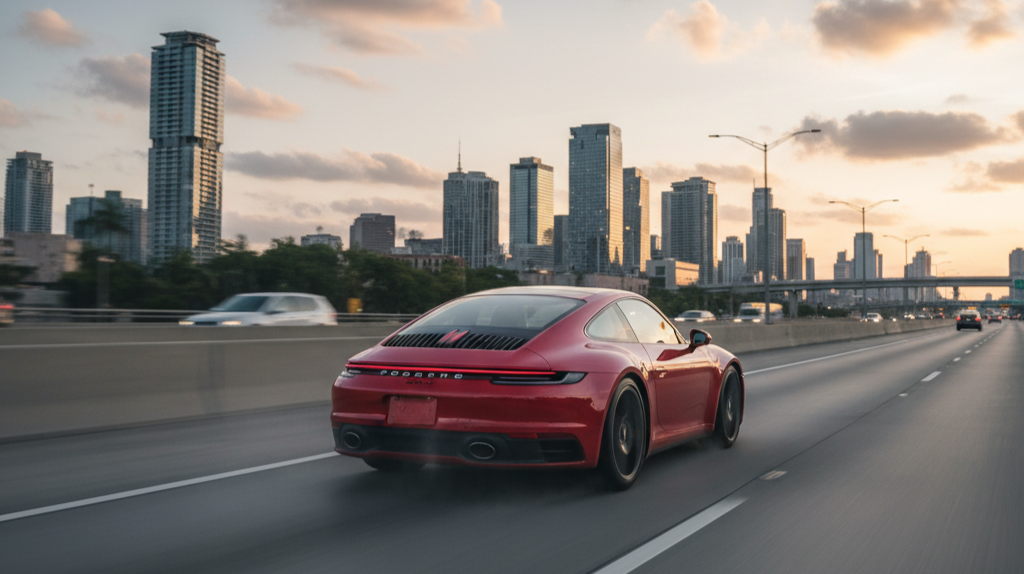
The 991.2 Turbo (2017-2019) took the 911 into the modern era. It got the 9A2 engine, bigger turbos, better fuel injection, and a massively updated infotainment system. 0-60 times dropped into the 2.6s range.
But with new tech comes new problems.
1. Engine: 9A2 Updates
The 9A2 3.8L engine features:
- Centrally mounted injectors (better combustion).
- Revised cylinder heads.
- “Dynamic Boost” (keeps throttle open off-gas to maintain boost).
The Turbo Actuator Issue
The 991.2 moved to electronically controlled wastegate actuators.
- Failure: The linkage seizes or the electronics within the actuator fail.
- Result: The car cannot control boost. It goes into limp mode.
- The Fix: Often, Porsche replaces the entire turbocharger because the actuator is calibrated to it.
- Prevention: None really. Just bad luck or heat stress (track use).
The Water Pump
The 991.2 uses a vacuum-actuated shroud on the water pump to warm up the engine faster.
- Failure: The seal fails, coolant enters the vacuum system.
- Consequence: Coolant travels through vacuum lines to the changeover valves, ruining them.
- Fix: Replace pump immediately if any drop of coolant is seen.
2. PDK: Still the Same Risk
The 991.2 uses the same 7DCI700 dual-clutch transmission.
- Distance Sensor: Yes, it can still fail.
- Clutches: Stronger than 991.1, capable of holding more torque.
3. Tech Upgrades (and Glitches)
The 991.2 got PCM 4.0 (glass screen, CarPlay).
- Reliability: Much better than the old PCM 3.1.
- Issues: Occasional reboot loops. Usually fixed with a software update.
4. Driving Comparison: 991.1 vs 991.2
- Lag: The 991.2 has noticeably less lag due to the Dynamic Boost and 9A2 airflow.
- Sound: The 991.2 is slightly quieter due to turbo muffling, but the induction noise is better.
- Speed: The 991.2 Turbo S is indistinguishable from a hypercar in a straight line.
5. Buying Guide
- DME Report: Check over-revs. Range 1 and 2 are fine (bouncing off limiter). Range 3+ needs investigation. Range 4-6 is a hard pass.
- Water Pump: Ask “Has the water pump been done?” If they say “No,” budget $1,200.
- Front Axle Lift: Standard on Turbo S. Check operation. If it fails, it’s hydraulic and expensive.
6. Conclusion
The 991.2 Turbo is the “do it all” king. It is faster than a Huracan, reliable enough to daily drive, and comfortable. Just watch out for that water pump and keep the PDK fund ready.
Keep Reading
- Ferrari 458 Italia vs Porsche 911 Turbo: Drama vs Precision
- Ferrari 458 Italia vs BMW M8: The Icon vs The Beast
- Porsche 911 Turbo vs BMW M5: The Surgeon vs The Sledgehammer
Executive Buying Advice
Verify if the water pump has been updated to the latest revision. Listen for wastegate rattle on startup. The 991.2 S is a monster, but requires more vigilant monitoring than the 991.1.