Rolls-Royce N74 V12 Engine: Reliability, Issues & Maintenance Guide
"The N74 6.75L twin-turbo V12 is the most powerful engine Rolls-Royce has ever produced. Based on BMW's N74 architecture, it's reliable for a V12, but 'reliable for a V12' still means ,000+ oil changes."
Engine
7/10
Gearbox
7/10
Electric
6/10
Total Risk
4/10
Quick Verdict
Buy with CautionExpect significant running costs. Manageable if preventative maintenance is done.
Reliability Verdict
The N74 is a BMW-family engine dressed in Rolls-Royce specification. It is fundamentally engineered to last , but the service costs are stratospheric. At 60,000+ miles, VANOS and HPFP are the dominant failure risks. Turbos are typically solid but expensive when they do fail. The biggest cost driver is not component failure but labor: any major work on an N74 in a Rolls-Royce requires specialist access, extended labor hours, and Rolls-Royce-specification parts pricing.
Overview
Rolls-Royce N74 6.75L twin-turbo V12 reliability guide: VANOS failure, HPFP costs, turbo replacement, and real annual ownership costs for Ghost and Cullinan.
In This Guide
Rolls-Royce N74 V12 Engine Reliability: The Complete Analysis
The Rolls-Royce N74 — also known internally as the BMW N74B68 — is a 6.75-liter twin-turbocharged V12 that serves as the beating heart of the Ghost, Cullinan, Wraith, and Dawn.
It is derived from BMW’s N74 architecture, shared with the 760Li, and represents the pinnacle of BMW Group engine engineering applied at Rolls-Royce specification levels.
It is also a very expensive engine to own out of warranty.
1. N74 Architecture: BMW DNA in a Rolls-Royce Body
The N74 is a 90-degree V12 with:
- Displacement: 6.75 liters (6,749 cc)
- Configuration: Twin-turbocharged (hot-V layout in later iterations)
- Output: 563 - 2 hp depending on specification
- Technology: Double-VANOS variable valve timing, direct injection, electric water pump
N74 vs BMW N74B68: Key Spec Differences
| Specification | Rolls-Royce N74 | BMW 760Li N74 |
|---|---|---|
| Displacement | 6.75L | 6.0L (N74B60) |
| Output | 563 - 2 hp | 536 - 4 hp |
| Tune | Rolls-Royce specific calibration | BMW M70 calibration |
| Service interval | 2-year/18,000 mile | Annual/15,000 mile |
| Parts specification | Rolls-Royce OEM only | BMW OEM or aftermarket |
The enlarged 6.75-liter displacement gives the Rolls-Royce N74 its characteristic authority: massive torque from idle, no sense of urgency, absolute silence. It is not designed to rev, spin turbos aggressively, or be pushed hard. It has one job: effortless power delivery.
2. VANOS Variable Valve Timing: The Key Maintenance Item
The N74 uses BMW’s Double-VANOS - riable valve timing on both intake and exhaust camshafts. It is the most common mechanical failure point on high-mileage N74 engines.
How VANOS Fails
- The VANOS solenoids accumulate sludge deposits when oil changes are extended.
- The actuators develop internal wear from accumulated miles.
- The camshaft position sensors begin registering timing errors.
- The result: cold start rough running, misfires at idle, loss of torque below 2,000 rpm.
Mileage Band
Most VANOS-related faults appear between 60,000 and 100,000 miles, with extended oil intervals significantly accelerating the failure timeline.
Cost
| Repair scenario | Cost |
|---|---|
| VANOS solenoid cleaning + fluid service | $400 - $600 |
| VANOS solenoid replacement (both banks) | $1,200 - $2,500 |
| VANOS actuator + solenoid full service | $2,000 - $5,000 |
Prevention: Oil changes at 7,500 miles maximum, regardless of Rolls-Royce’s recommended 18,000-mile interval. Use 0W-40 fully synthetic at Rolls-Royce specification.
3. High Pressure Fuel Pump (HPFP) Failure
The N74 uses a cam-driven high pressure fuel pump for its direct injection system — the same design found across BMW’s DI lineup.
Failure Characteristics
- Codes: P0087 (fuel pressure low), P0088 (fuel pressure high), P2293
- Symptoms: Hard cold start, random stalling, rough idle, hesitation on acceleration
- Mileage: Typically 60,000 - 80,000 miles, earlier on cars with extended service intervals
Cost
| Repair | Cost |
|---|---|
| HPFP replacement (OEM, Rolls-Royce spec) | $1,500 - $3,500 |
| Injector cleaning + HPFP | $2,500 - $4,500 |
Important
Always use Rolls-Royce/BMW OEM pumps. Aftermarket HPFP units for the N74 have a significantly higher failure rate and will cause immediate further issues.
4. Turbocharger Reliability
The twin turbos on the N74 are generally durable , the engine is not driven hard in typical Rolls-Royce use. However:
- Turbo shaft seal wear: Oil leaks into the turbine housing after 80,000 - 100,000 miles. Blue smoke on cold start is the first sign.
- Wastegate actuator: The pneumatic actuators develop wear, causing boost inconsistency and rattling at idle.
- Oil feed lines: Restricted or sludged turbo oil feed lines (from extended oil intervals) are the dominant cause of premature turbo failure.
| Repair | Cost |
|---|---|
| Turbo oil feed line service | $600 - $1,200 |
| Single turbo replacement | $2,500 - $6,000 |
| Both turbos (recommended to replace as pair) | $4,000 - $8,000 |
Caution
If one turbo fails, replace both simultaneously. Labor to access the N74’s turbos in the Rolls-Royce chassis is extremely intensive — replacing them one at a time doubles total labor cost.
5. Cooling System Vulnerabilities
The N74 uses an electric water pump and a complex multi-circuit cooling system. By 60,000+ miles:
- Electric pump: Motor burnout or impeller failure, causing sudden overheating
- Coolant hoses: Rubber perishes from heat cycling in the engine bay
- Thermostat: Sticks open (engine runs cold) or closed (overheats)
| Repair | Cost |
|---|---|
| Water pump replacement | $1,200 - $2,500 |
| Full cooling system refresh (pump + thermostat + hoses) | $2,000 - $5,000 |
Caution
Never ignore a coolant warning on an N74. Overheating an aluminum V12 with twin cams per bank warps heads and blows gaskets. A head gasket failure on the N74 is a $15,000 - $25,000 repair.
6. Annual Ownership Cost Reality
The fundamental reality of N74 ownership outside warranty:
| Mileage Range | Annual Cost Reality |
|---|---|
| Under 40,000 miles | $2,500 - $6,000 (service, tires, brakes) |
| 40,000 - 0,000 miles | $4,000 - $10,000 (VANOS/HPFP risk zone begins) |
| 70,000+ miles | $6,000 - $5,000 (turbos, multiple systems) |
Per the ref data, independent specialist costs beyond 60,000 miles average $4,000 - $10,000/year — and that’s for well-maintained cars without major failures. A HPFP + VANOS service in a single year pushes the bill past $7,000.
7. Buying Checklist
Any N74-powered Rolls-Royce over 40,000 miles needs:
- VANOS service history: Ask specifically when solenoids were last cleaned/replaced.
- Full coolant system inspection: Pressure test, check for discoloration, verify pump operation.
- Turbo smoke check: Cold start, look for blue smoke in exhaust.
- HPFP start test: Multiple cold starts; any hesitation = HPFP investigation needed.
- Service interval verification: Any car with 18,000+ mile oil change intervals is a high-risk purchase. Extended intervals directly cause VANOS, HPFP, and turbo damage.
- Air suspension check: Cycle between height modes. Listen for compressor rattle.
8. Model-Specific Applications
The N74 V12 appears in:
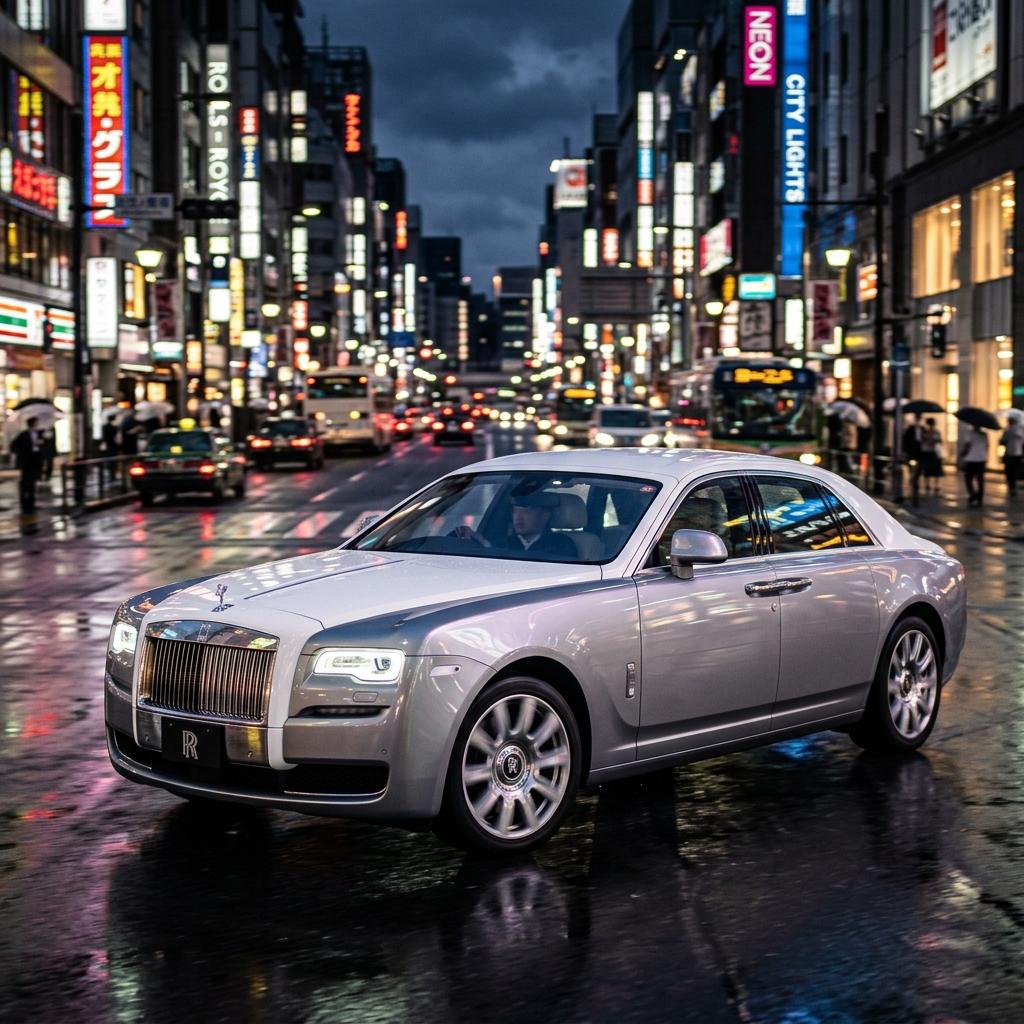
- Rolls-Royce Ghost (2010-present) — Sedan, most common platform
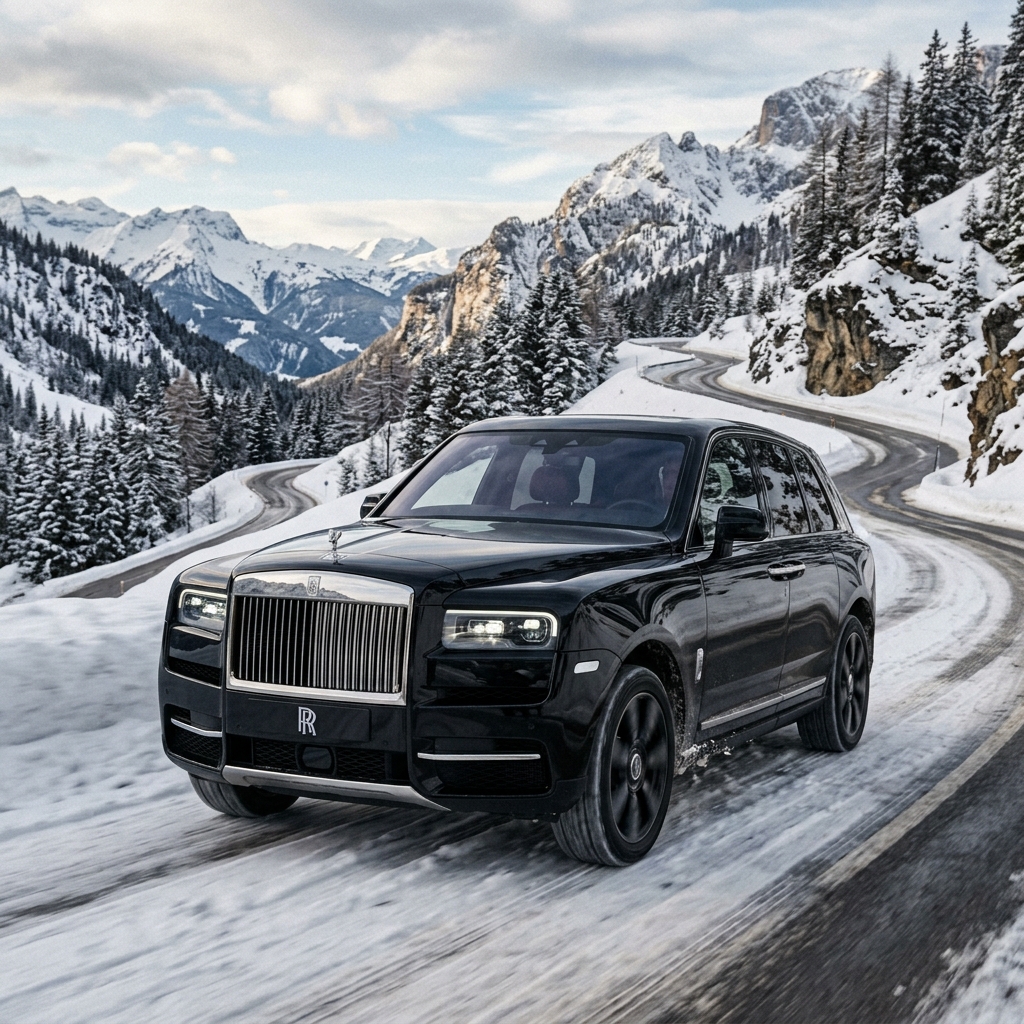
- Rolls-Royce Cullinan (2018-present) - UV, heaviest N74 application
- Rolls-Royce Wraith — Coupe, aggressive tune
- Rolls-Royce Dawn - onvertible
Related Resources
- Rolls-Royce Ghost Reliability & Real Costs
- Rolls-Royce Cullinan Reliability: Common Problems & Repair Cost Guide ($11,000 - $18,000+)
- Ghost vs Cullinan: Which Is Cheaper to Own?
- Air Suspension Failure Reliability: Common Problems & Repair Cost Guide ($1,500 - $8,000+)
Executive Buying Advice
Any Ghost or Cullinan over 60,000 miles must have a pre-purchase inspection from a Rolls-Royce specialist, not a general BMW dealer. Budget $4,000 - $10,000/year for ownership costs beyond 60k miles. VANOS service history is the first thing to verify. Never buy without a detailed coolant system pressure test.