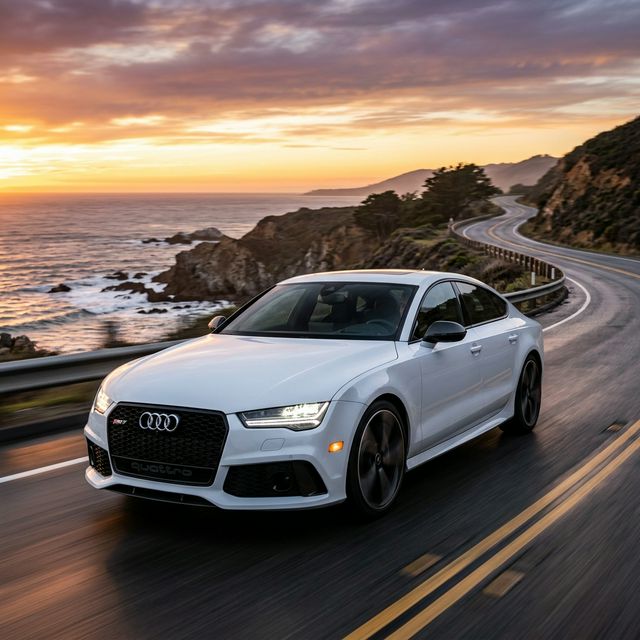
Audi RS7: Complete Ownership Timeline & Running Cost Analysis
"Year one: bliss. Year three: the first ,000 surprise. Year five: a decision between a ,000 repair or a trade-in. Here's the full RS7 ownership timeline based on real service records."
Engine
5/10
Gearbox
5/10
Electric
4/10
Total Risk
6/10
Quick Verdict
Buy with CautionExpect significant running costs. Manageable if preventative maintenance is done.
Reliability Verdict
The Audi RS7 is violently fast and highly reliable if - d only if - the factory turbo oil-strainer design flaw has been rectified. If not, it is a ticking time bomb for a $12,000 turbocharger explosion.
Executive Intelligence Summary
A complete 10-year timeline of Audi RS7 ownership costs. Learn about the infamous C7 turbo strainer failure, air suspension costs, and PCV valve issues.
In This Guide
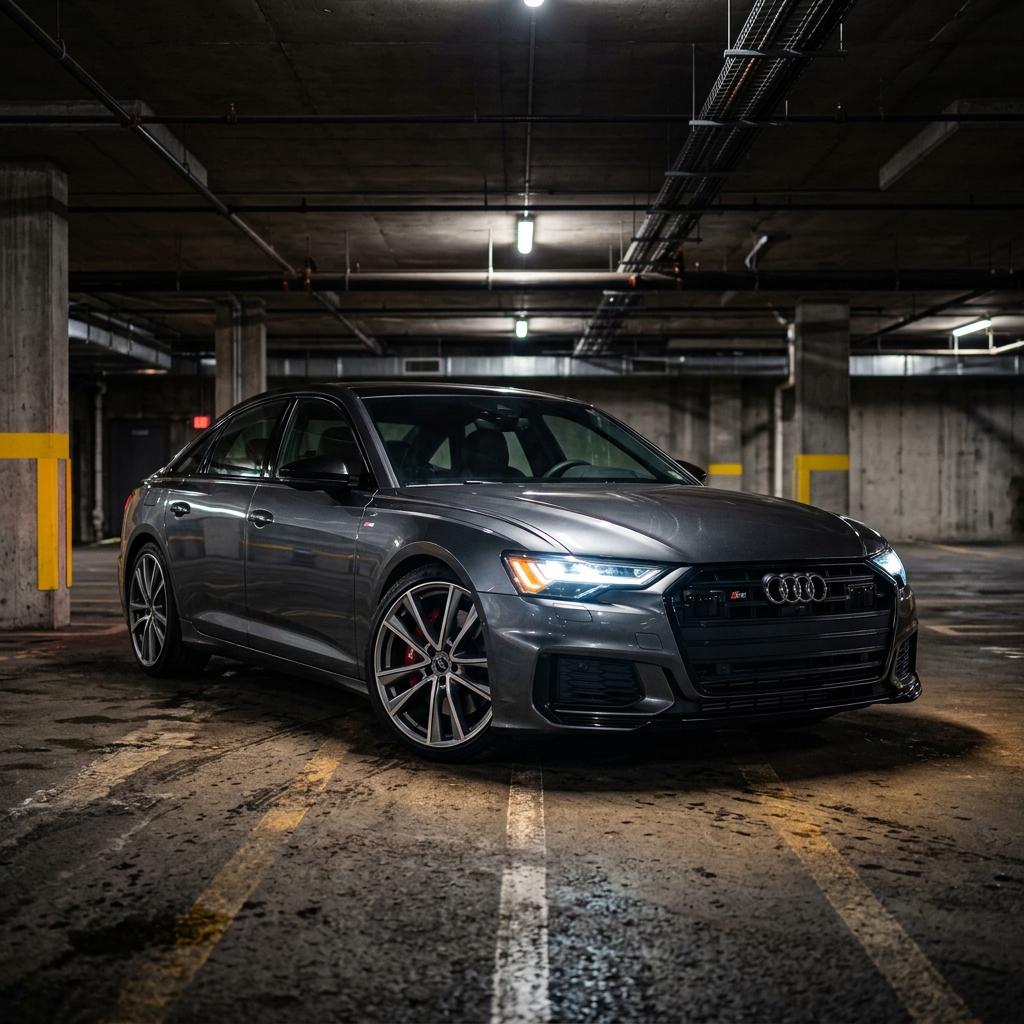
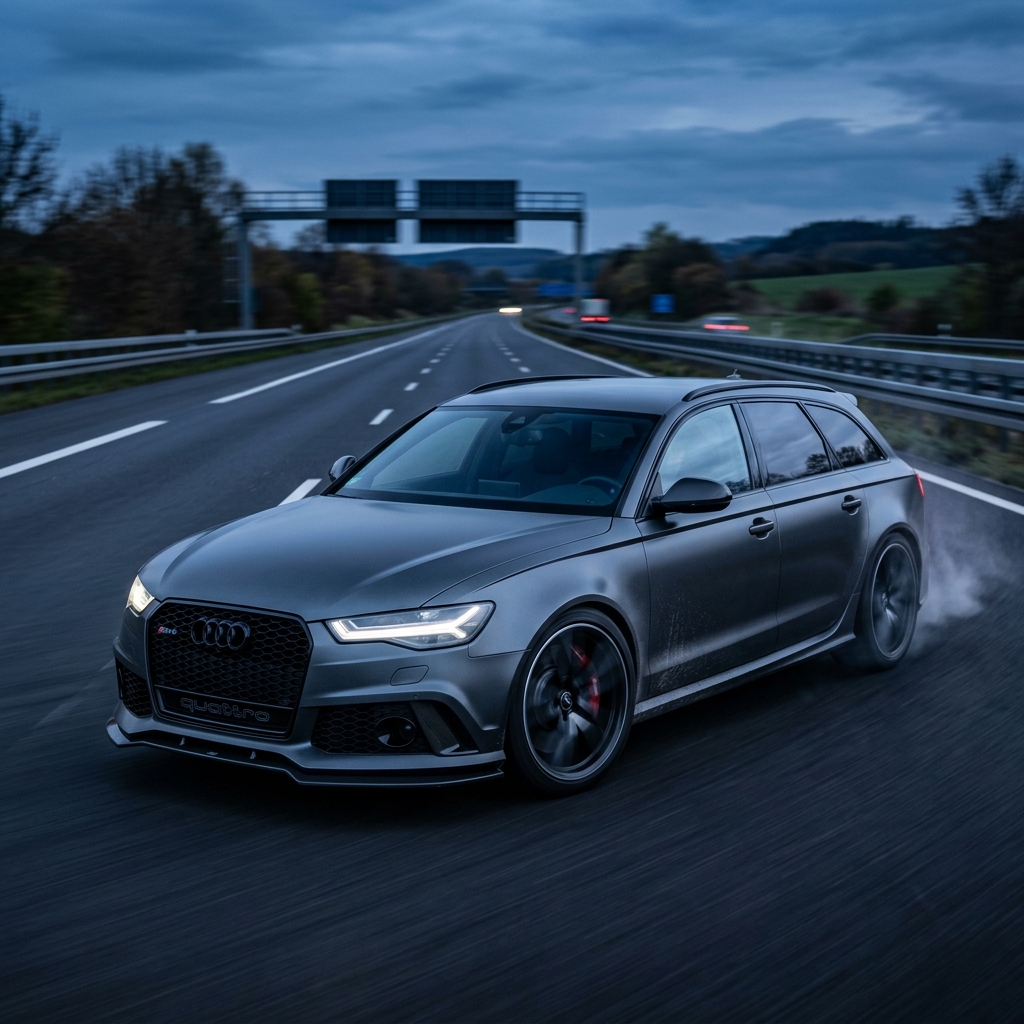
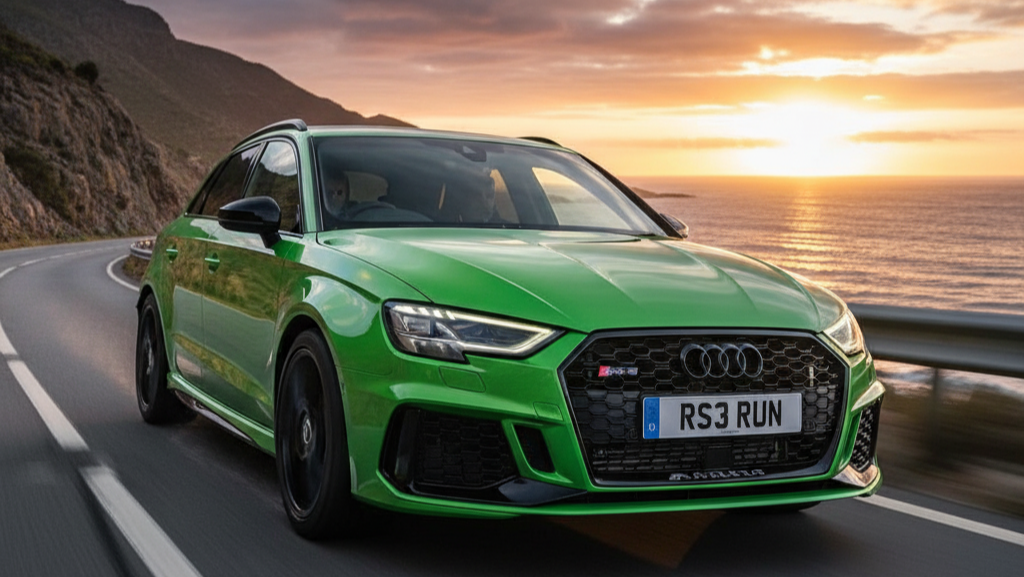
The Audi RS7 is the ultimate Autobahn missile. Combining a brutal 4.0L Twin-Turbo V8 with Audi’s legendary Quattro all-wheel-drive system, it can out-accelerate supercars in the rain while carrying four adults in extreme comfort.
But propelling 4,500 pounds of luxury to 60 mph in 3 seconds puts immense strain on every mechanical component. Based on years of data from the C7 (2014-2018) and C8 (2021+) generations, here is exactly what it costs to own an Audi RS7 over a 10-year lifecycle.
The Honeymoon: Years 1 - 3 (0 to 30,000 Miles)
During the warranty period, the RS7 is a spectacular, stress-free daily driver.
- Tires: The sheer weight and torque of the RS7 absolutely shred summer performance tires. Expect to replace the massive 21-inch or 22-inch Pirelli or Michelin tires every 12,000 to 18,000 miles. Cost: $2,000/set.
- Maintenance: Audi Care usually covers the basics.
The Awakening: Years 4 - 6 (30,000 to 60,000 Miles)
This is the inflection point where the RS7 separates those who can afford the purchase price from those who can afford the maintenance.
- The Brake Tax: The standard massive steel rotors (wave-cut on the C7) warp under heavy braking. A full front and rear pad/rotor replacement is jaw-droppingly expensive because RS parts carry an extreme premium over standard A7 parts. Cost: $5,000 - $7,000. (Once again, carbon ceramics cost $20,000+ if damaged).
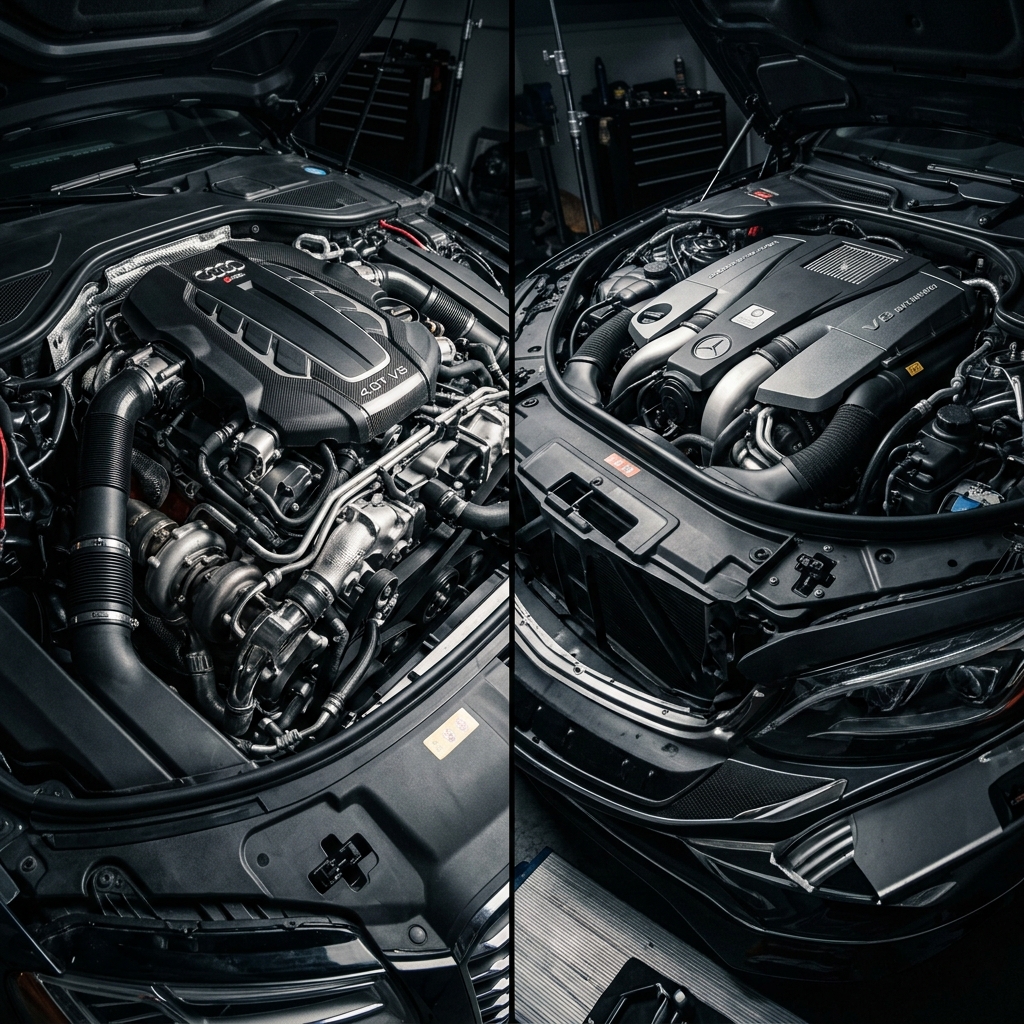
- The PCV Whistle: The Positive Crankcase Ventilation (PCV) system oil separator sits deep in the Hot-V. The rubber diaphragm tears. You will hear a loud whistle at idle and get rough-running codes. Cost: $1,500 - $2,500.
- The Motor Mounts: Like the S-Class, the RS7 uses active, fluid-filled engine mounts to isolate V8 vibrations. They will leak brown fluid and collapse, causing brutal vibrations at stoplights. Cost: $2,500.
Read more about these issues in our Rough Idle Luxury Engine Reliability & Real Costs.
The Danger Zone: Years 7 - 10 (60,000 to 100,000+ Miles)
If you are buying a fully depreciated C7 RS7, you must navigate the most infamous failure in modern Audi history.
- The Turbo Strainer Failure (C7 Only): Audi placed a tiny, incredibly fine mesh oil strainer deep under the intake manifold to filter oil going to the turbos. It clogs with carbon. The turbos starve for oil, spin to 120,000 RPM completely dry, shatter their bearings, and explode.
- The Symptom: A massive “police siren” whining noise. Read our Is Turbo Whistle Sound Meaning Reliability: Common Problems & Repair Cost Guide ($5,000 - $25,000+).
- The Cost: Replacing the twin turbos ranges from $10,000 to $14,000.
- The Fix: A recall was issued. Ensure any used C7 RS7 has documentation showing the strainer was completely removed.
- Air Suspension: The RS7 uses an incredible adaptive air suspension (or DRC - Dynamic Ride Control on some models). Over 80,000 miles, the rubber airbags rot and leak. You will walk out to your driveway to find the car “slammed” to the ground on one side. The compressor will burn itself out trying to constantly refill the leaking bag. Cost: $2,000 per corner.
Real Owner Symptoms
"The Audi 4.0T engine is stealthy. It idles smoothly until the PCV diaphragm rips, causing an aggressive whistle, or the turbo strainer clogs, causing a sudden and total loss of power wrapped in a 'police siren' whine."
Mechanic's Diagnosis Notes
For C7/C7.5 RS7s, our first question is always: 'Has the turbo screen recall been done?' If yes, the car is largely bulletproof mechanically. The remaining costs are entirely related to the immense weight of the car destroying brakes and air suspension struts.
Cost Transparency: Parts + Labor Breakdown
| Repair Job | Est. Parts | Est. Labor | Total Worst-Case |
|---|---|---|---|
| Years 1-3 Maintenance | $500 | $1,000 | $1,500/yr |
| Years 4-6 (Brakes, PCV Oil Separator) | $4,500 | $2,000 | $6,500+ |
| Years 7-10 (Air Suspension, Motor Mounts) | $6,000 | $4,000 | $10,000+ |
Lower-Risk Alternatives
- Porsche Panamera Turbo (971) Shares the 4.0L V8 architecture (in later models) but benefits from superior Porsche engineering and interior build quality, albeit at a higher initial price.