Audi RS Models: True Ownership Costs & Financial Reality Check
"RS models cost 40-60% more to maintain than their standard Audi equivalents. The badge premium doesn't stop at the purchase price - it follows you to every service appointment."
Engine
5/10
Gearbox
5/10
Electric
4/10
Total Risk
6/10
Quick Verdict
Buy with CautionExpect significant running costs. Manageable if preventative maintenance is done.
Reliability Verdict
High Ownership Risk: Complex systems and documented failure rates in primary components. Maintain a substantial ($5k+) repair fund.
Executive Intelligence Summary
What is the true cost of owning an Audi RS model? A breakdown of the maintenance, Quattro system upkeep, and common failure costs for RS3, RS5, and RS7.
In This Guide
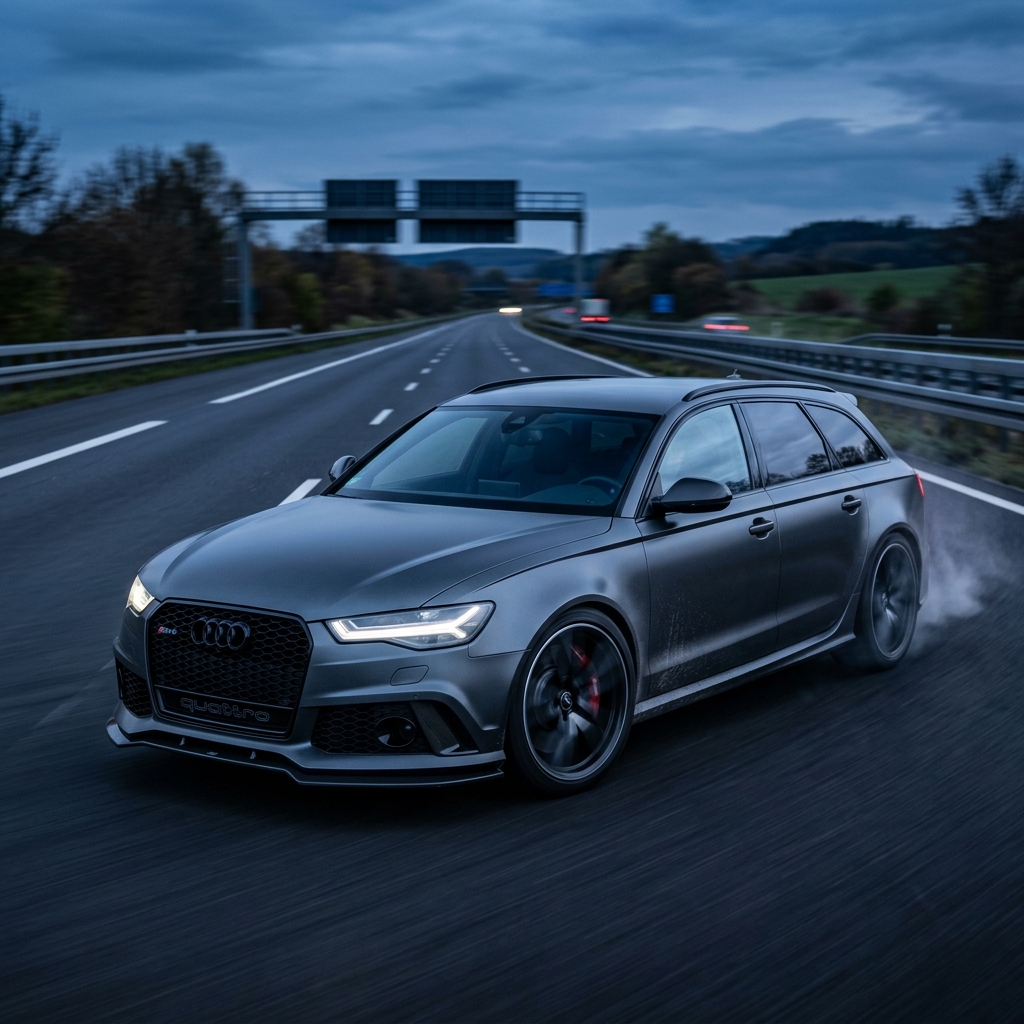
Audi Sport (RS) models offer a unique blend of daily-driver practicality and supercar-slaying performance. However, that practicality often lulls owners into forgetting that an RS7 carries the repair overhead of a Lamborghini, while an RS3’s specialized 5-cylinder engine requires meticulous care.
RS-Specific Maintenance Schedule
The Quattro all-wheel-drive system and the high-revving TFSI engines require more frequent fluid changes than their “S” or “A” model siblings.
| Part / Service | Interval | Estimated Cost |
|---|---|---|
| Haldex/Quattro Fluid Change | 20,000 Miles | $400 - $600 |
| Front Brake Rotors (Wavy/RS Type) | 25,000 Miles | $1,600 - $2,200 |
| Transmission (DSG/ZF8) Service | 40,000 Miles | $800 - $1,100 |
| Spark Plugs (Performance Grade) | 20,000 Miles | $400 - $600 |
Depreciation Analysis: The Audi Cliff
- Audi RS3: Holds value exceptionally well due to the legendary 5-cylinder engine. A 3-year-old RS3 often maintains 75% of its original MSRP.
- Audi RS7: Depreciates like a falling rock. An RS7 that cost $120,000 new can be found for $55,000 after five years.
The “Quattro Tax” and Common Failures
- DRC Suspension Leaks (RS6/RS7): Dynamic Ride Control is a specialized hydraulic system. When it leaks, individual struts cost $1,200 to replace, plus a complex hydraulic recharge process.
- Turbo Oil Screen (4.0T Engines): In older RS7 models, a tiny oil screen would clog, starving the turbos of oil and causing a $10,000+ dual-turbo failure. Modern versions have an updated part, but verification is critical.
- Carbon Buildup: Direct-injection Audi engines suffer from carbon deposits on the intake valves every 40,000-60,000 miles. Cleaning this (walnut blasting) costs $800 - $1,200.
5-Year Ownership Outlay (Est.)
- RS3 (8V/8Y): ~$14,000
- RS5 (B9): ~$19,000
- RS7 (C7/C8): ~$26,000
Estimates include scheduled maintenance, one set of brakes, two sets of tires, and average insurance. Excludes depreciation and fuel.
Verdict: Is it Safe to Buy?
Audi RS models are generally more reliable than their Italian counterparts, but they do not tolerate neglect. The complex electronics and AWD systems mean that “Deferred Maintenance” on an Audi RS is effectively a debt that you will eventually pay with interest.
Pro Tip: If the car has been “tuned” with aftermarket software, treat the reliability data as void and budget an additional 50% for drivetrain contingency.
Next Research Steps
- Audi RS3 Reliability & Real Costs
- Audi RS3 Reliability & Real Costs
- Luxury Car Carbon Cleaning Cost Database… Reliability & Real Costs