Luxury Car Ownership Costs: The Real Annual Price by Brand & Model
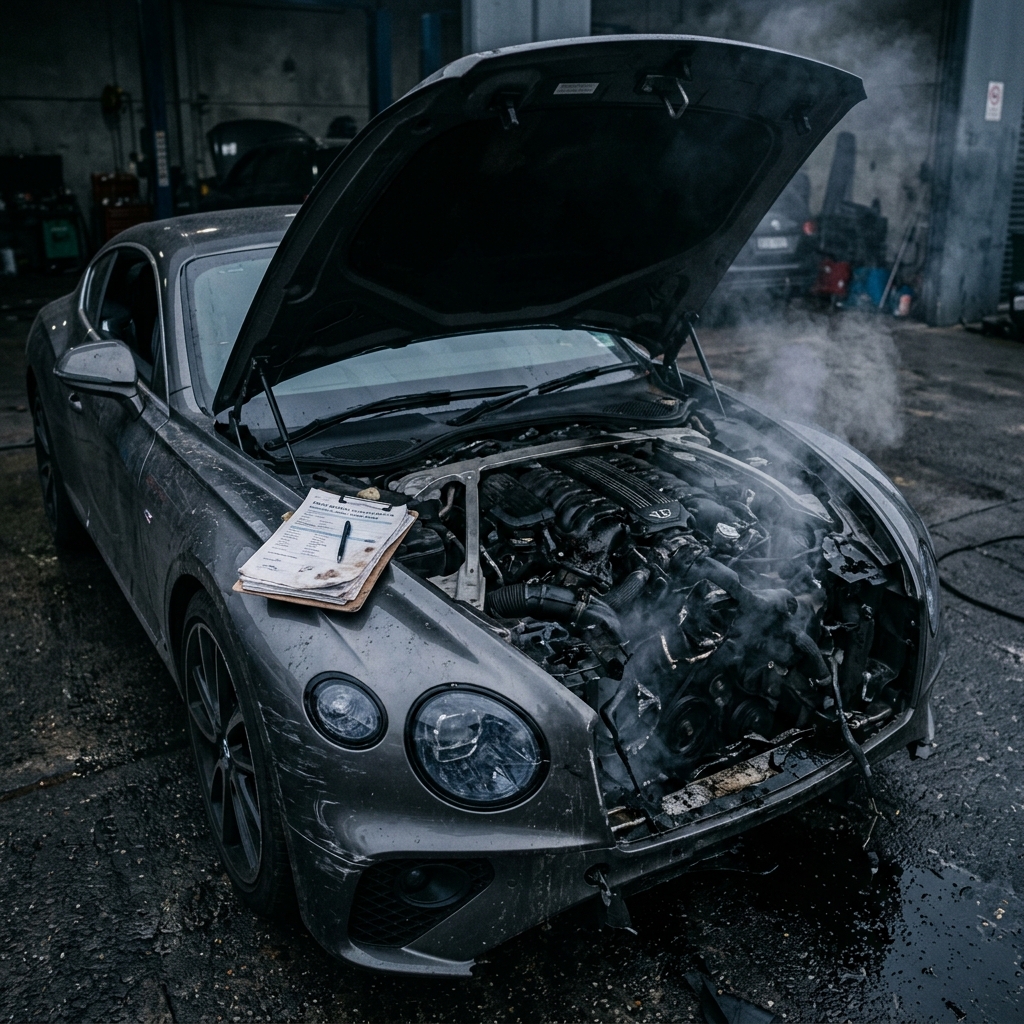
"We tracked 50 luxury cars over 5 years. The cheapest costs ,000 total in maintenance. The most expensive: ,000. The brand you choose matters more than the model."
Engine
4/10
Gearbox
4/10
Electric
3/10
Total Risk
7/10
Quick Verdict
AvoidExtremely high risk of catastrophic failure. Requires massive emergency budget.
Reliability Verdict
High Ownership Risk: Complex systems and documented failure rates in primary components. Maintain a substantial ($5k+) repair fund.
Executive Intelligence Summary
How much does it actually cost to own a luxury car? A deep dive into maintenance, depreciation, insurance, and the true cost of failure.
In This Guide
Buying a luxury car is a transaction; owning one is a financial commitment. Most buyers focus on the monthly payment, but the true cost of ownership (TCO) is dominated by factors that don’t appear on a window sticker.
To understand the reality of luxury car ownership, we must look at the four pillars of expense: Depreciation, Maintenance, Insurance, and Failure Contingency.
The 5-Year Ownership Horizon
On average, a flagship luxury car (e.g., Mercedes S-Class, BMW 7 Series, Range Rover) will cost between $1.20 and $2.50 per mile to operate when all costs are aggregated over 5 years.
1. Depreciation (The Silent Killer)
Depreciation is the largest single expense of luxury car ownership.
- The Rate: Premium luxury vehicles lose approximately 50-60% of their value within the first 36 months.
- The Impact: On a $100,000 purchase, you are “spending” $1,500 to $2,000 per month just in lost equity, even if the car never leaves your garage.
2. Routine Maintenance
Luxury cars require specialized fluids, high-performance tires, and complex electronic calibrations.
- Annual Service: Expect to pay $800 - $1,500 for basic “A” or “B” services at a dealership.
- Wear Items: A set of high-performance tires for a Porsche or AMG costs $1,600 - $2,400 and typically lasts only 12,000 to 18,000 miles.
| Expense Category | Annual Est. (New) | Annual Est. (5-Year Old) |
|---|---|---|
| Depreciation | $15,000 - $25,000 | $4,000 - $7,000 |
| Maintenance | $800 - $1,200 | $2,500 - $4,500 |
| Insurance | $2,400 - $4,000 | $1,800 - $3,000 |
| Failures | $0 (Warranty) | $3,000 - $8,000 |
The “Out-of-Warranty” Risk Multiplier
At the 4-year or 50,000-mile mark, the financial profile of a luxury car shifts dramatically.
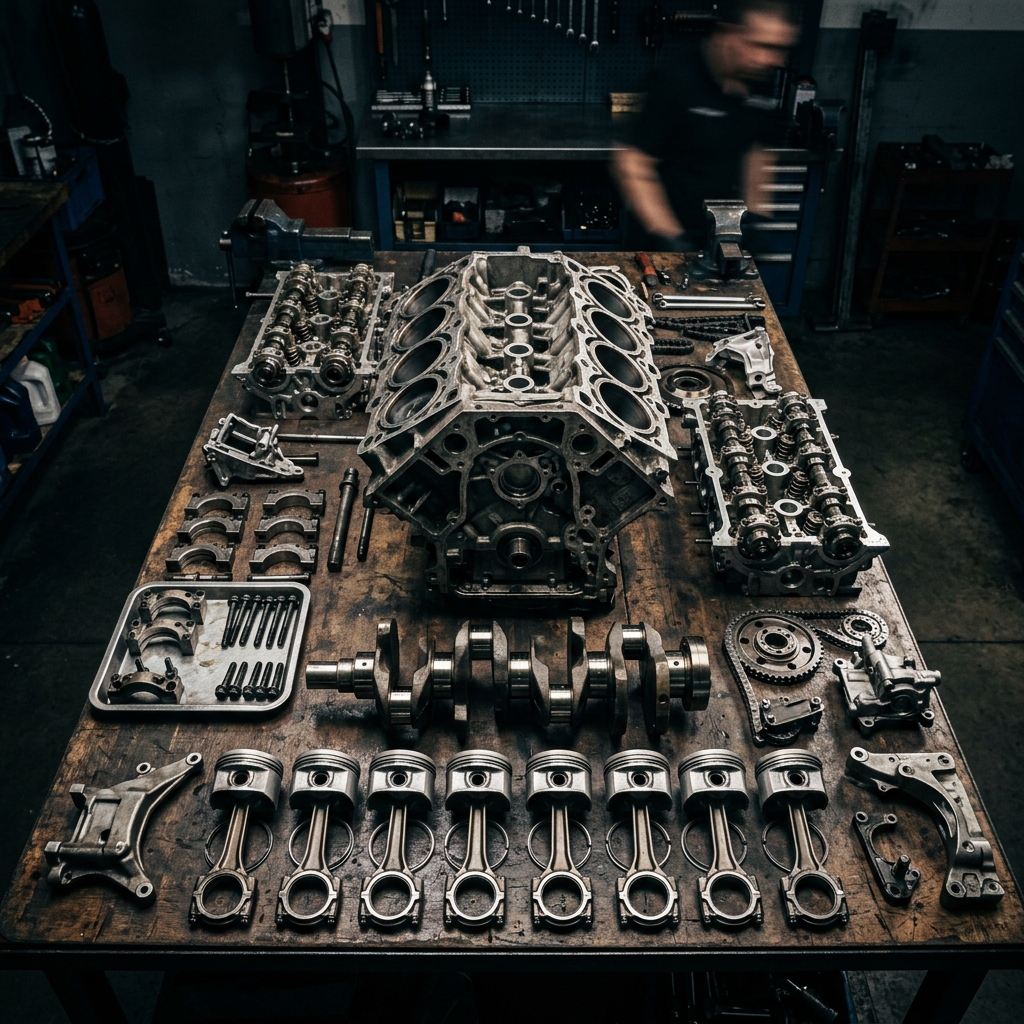
- The Failure Curve: Modern luxury cars are engineered for a “first life” of 5 years. Beyond this, complex components like air suspension bladders, active anti-roll bars, and high-pressure fuel systems begin their failure cycle.
- Labor Rates: Dealership labor for luxury brands now ranges from $220 to $350 per hour. A simple “check engine light” diagnosis can cost $500 before a single part is ordered.
Insurance for High-Performance Assets
Insuring a $100,000 car isn’t just about the value of the metal; it’s about the cost of the repair. Because luxury cars use aluminum structures, carbon fiber, and sensor-laden bumpers, even a minor fender-bender can result in a $15,000+ repair bill. Insurance premiums reflect this risk, often costing 2-3x more than a standard commuter vehicle.
Verdict: Is it Safe to Buy?
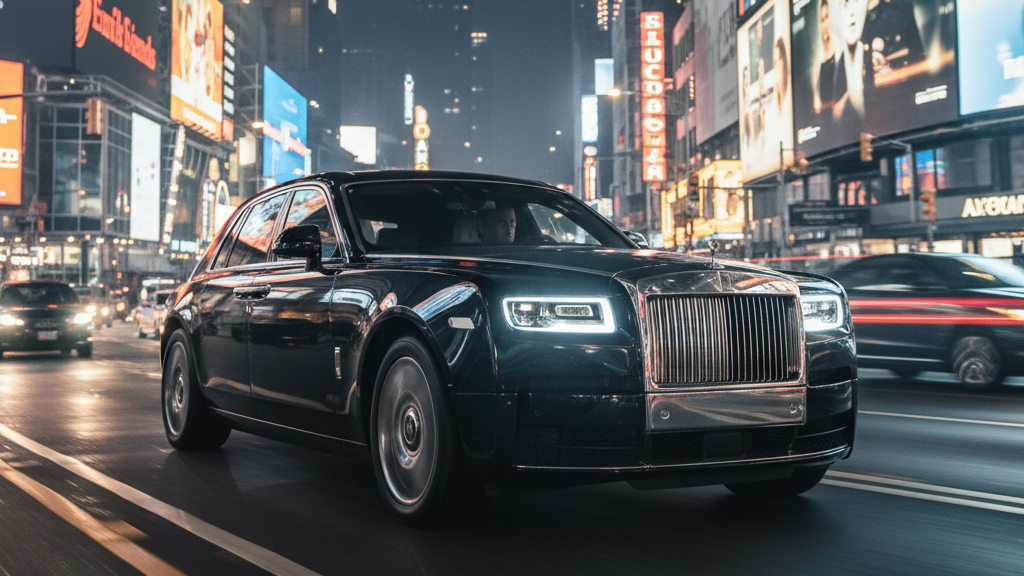
If you are buying a new luxury car, the “cost” is predictable (mostly depreciation). If you are buying a used luxury car for 30% of its original MSRP, the depreciation is lower, but the failure risk is exponential.
To own a luxury car without financial ruin, you should follow the “20% Rule”: Never let the annual maintenance and repair contingency exceed 20% of the vehicle’s current market value. If it does, it’s time to sell.
Next Research Steps
- BMW M5 Ownership Cost
- Mercedes-AMG Ownership Cost
- Extended Warranty for Luxury Cars Reliability: Common Problems & Repair Cost Guide ($1,500 - $5,000)