Most Expensive Car Repairs: The Bills That Total Luxury Cars
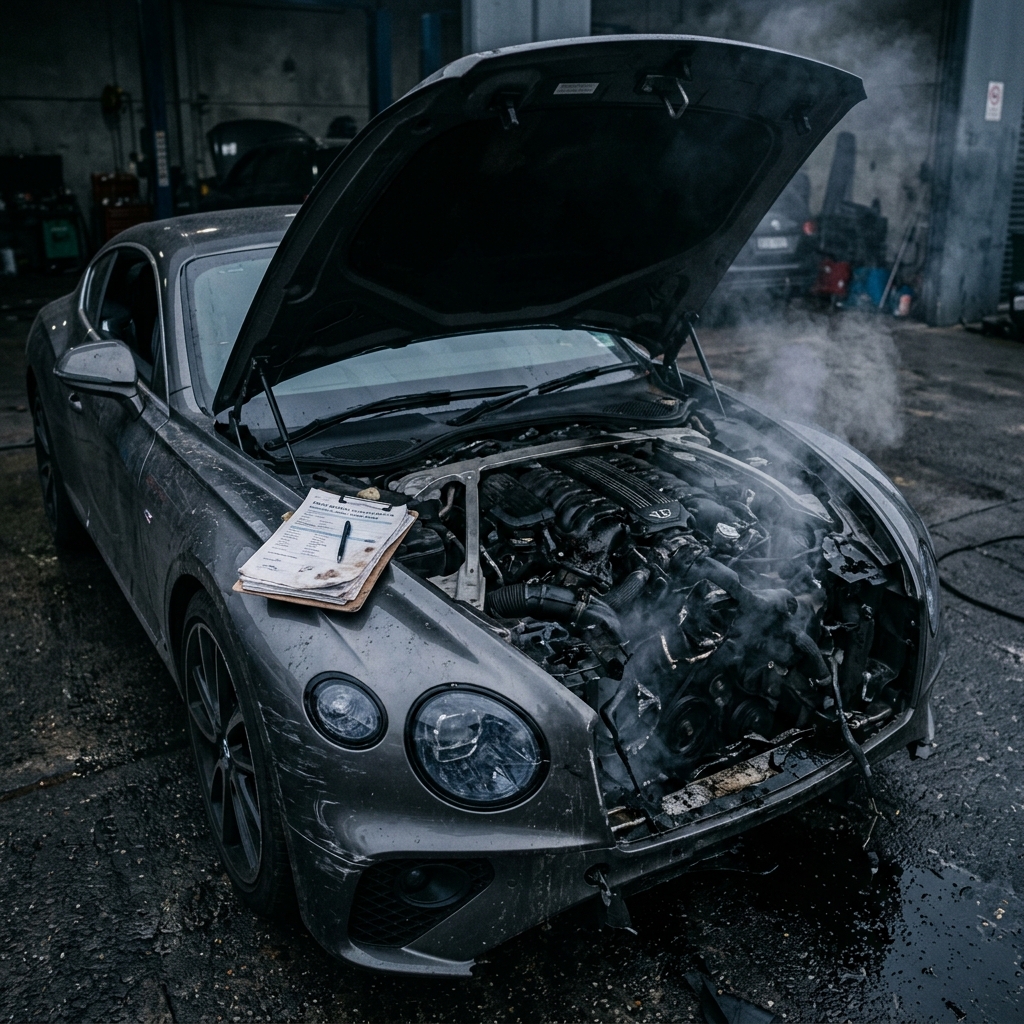
"A Rolls-Royce Phantom engine replacement: ,000. A Ferrari dual-clutch rebuild: ,000. An air suspension overhaul: ,000. These are the repairs that total luxury cars."
Engine
1/10
Gearbox
1/10
Electric
1/10
Total Risk
10/10
Quick Verdict
RunExtremely high risk of catastrophic failure. Requires massive emergency budget.
Reliability Verdict
High Ownership Risk: Complex systems and documented failure rates in primary components. Maintain a substantial ($5k+) repair fund.
Executive Intelligence Summary
A full breakdown of the most financially devastating repair bills in luxury car ownership, featuring Porsche PDKs, McLaren CCBs, and BMW V8 Engines.
In This Guide
Luxury car depreciation is a steep curve, but repair costs remain fixed to the car’s original MSRP. A first-generation Porsche Panamera Turbo may cost $30,000 today, but when the PDK transmission fails, the dealership will still hand you a $25,000 repair bill.
This guide outlines the most financially devastating repairs possible in the European performance and luxury sector. If you are buying a complex luxury car out of warranty, you must have an emergency fund prepared for these exact scenarios.
1. Complete Engine Seizure / Replacement
Typical Cost: $20,000 - 0,000
High-Risk Vehicles: BMW M5/X5M (S63 V8), Mercedes-AMG C63/GT (M177 V8), Range Rover (5.0L NA/SC)
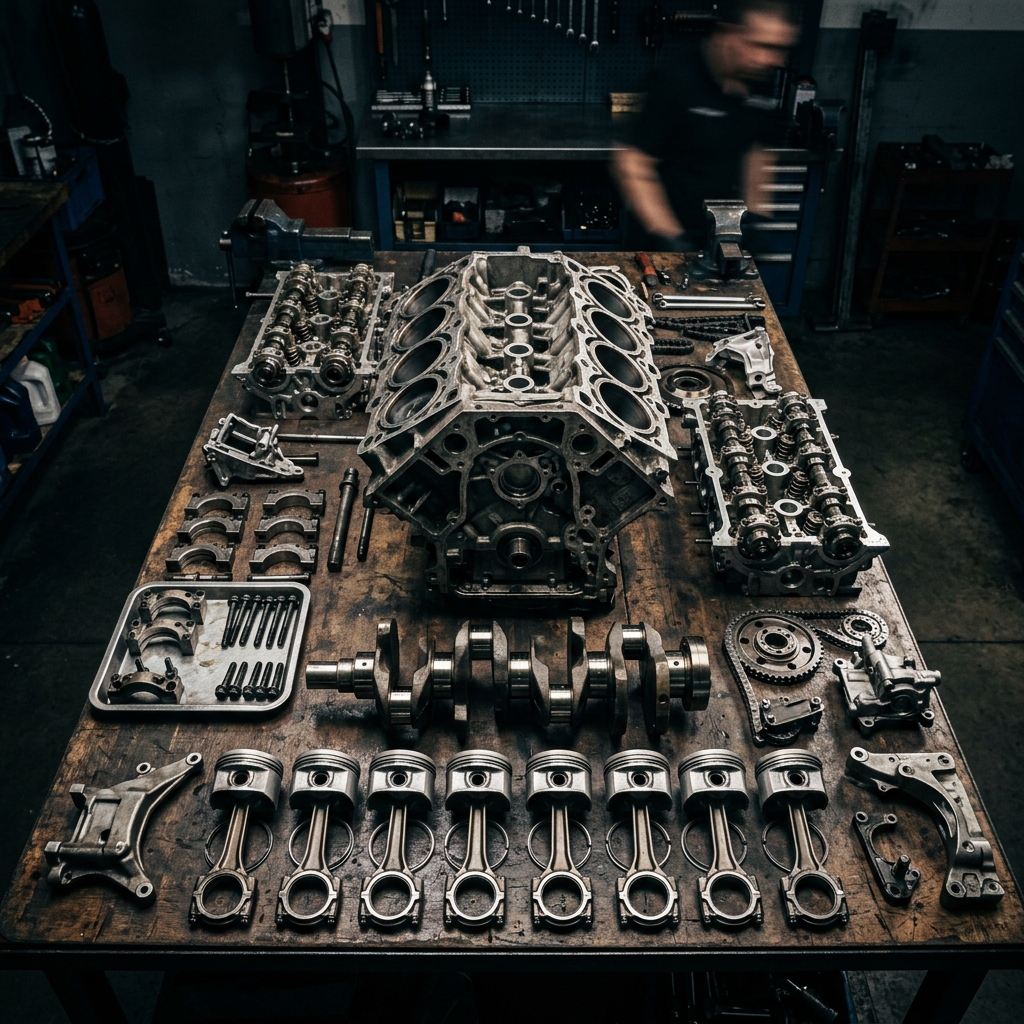
The ultimate nightmare scenario. When an engine seizes due to oil starvation, spun BMW M5 Reliability & Real Costs, or a snapped timing chain, the entire block is destroyed. Dealerships do not rebuild engines - ey order “short blocks” (the core engine without accessories) from Germany on a wooden pallet. The cost is astronomical.
- Why it costs so much: The parts alone often exceed $15,000. Furthermore, removing an engine from a modern luxury car often requires dropping the entire front subframe, steering rack, and transmission as a single assembly, requiring 40+ hours of labor.
- The Indie Alternative: Sourcing a salvaged engine from a wrecked vehicle ($10,000 - $15,000) and installing it via an independent specialist.
2. Dual-Clutch Transmission (DCT/PDK) Failure
Typical Cost: $15,000 - 5,000
High-Risk Vehicles: Porsche 911/Cayman (PDK), McLaren 720S/570S (SSG), Ferrari 458/488 (DCT)
Modern dual-clutch transmissions shift in milliseconds, but they are mechanically closed boxes of extreme complexity. When an internal distance sensor shorts out or the hydraulic mechatronics unit loses pressure, the car goes into “Limp Mode.”
- Why it costs so much: Manufacturers like Porsche and Ferrari rarely supply internal replacement parts (like individual solenoids or sensors) to their dealer networks. If a $500 sensor fails deep inside the gearbox, the dealership’s only authorized fix is replacing the entire 250lb transmission.
- The Indie Alternative: Independent specialists can crack the cases open, rebuild the mechatronics units, and solder in upgraded aftermarket sensors for $4,000 - ,000.
3. Carbon Ceramic Brake (CCB) Rotor Replacement
Typical Cost: $12,000 - 4,000
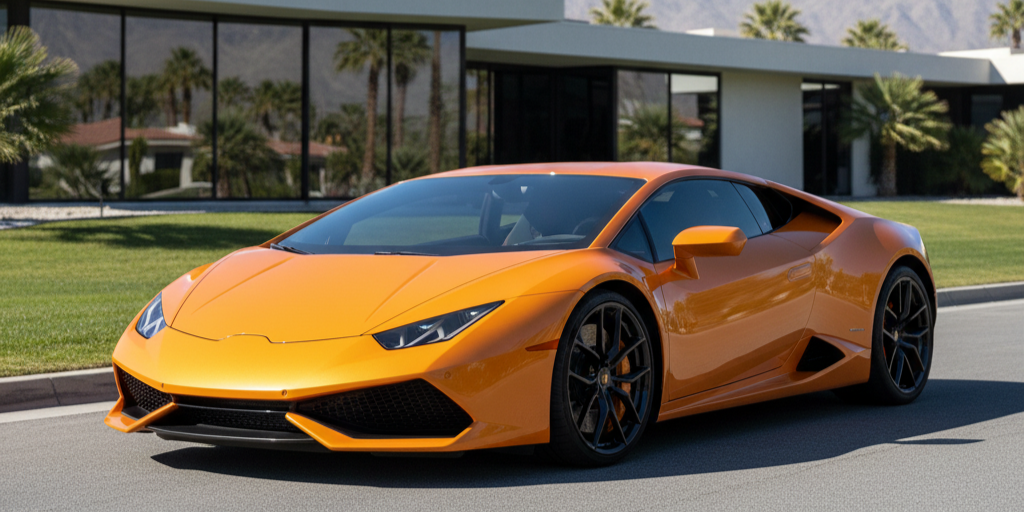
High-Risk Vehicles: Porsche GT Cars (PCCB), Lamborghini Huracan, Audi R8, BMW M Cars (CCB Option)
Carbon Ceramic Brakes are standard on hypercars and optional on premium sports cars. They provide immense stopping power, zero brake dust, and save 40lbs of unsprung weight. They are marketed as lasting the “lifetime of the car.” They do not.
- Why it costs so much: CCB rotors do not “wear down” in thickness like steel rotors; they lose mass (density) as the carbon oxidizes from extreme heat. When weighed and found lacking, the rotors must be replaced. A set of four CCB rotors and specialty pads from the dealership easily exceeds $15,000.
- The Indie Alternative: Many track-day enthusiasts immediately remove their pristine factory CCB rotors and swap to precision steel rotors (like Girodisc) for $4,000, storing the ceramics in a box for when they sell the car.
4. Total Air Suspension Failure
Typical Cost: $6,000 - 0,000
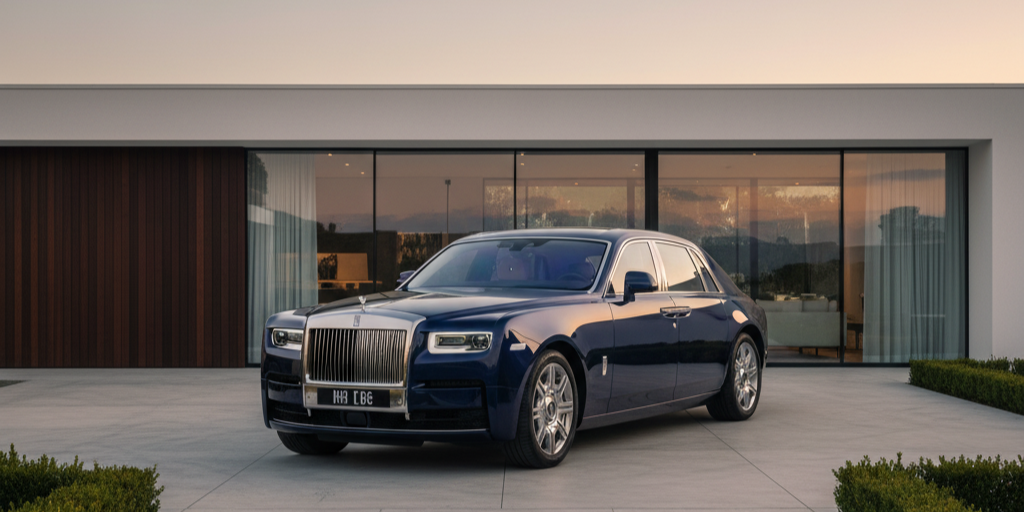
High-Risk Vehicles: Range Rover L405, Rolls-Royce Ghost, Mercedes S-Class, Porsche Panamera
Air suspension provides a magic-carpet ride by replacing traditional steel coil springs with rubber airbags filled by a computerized compressor. The rubber airbags dry-rot and crack naturally over 7-10 years.
- Why it costs so much: If one airbag develops a leak, the car “sags” overnight. The driver ignores it. The air compressor then runs 100% of the time while driving to compensate for the leak. Within a week, the compressor burns itself out. Now, the dealership must replace the struts, the compressor, and the valve block simultaneously.
- The Indie Alternative: Sourcing OEM-equivalent struts from Arnott Industries and replacing them at an independent shop limits the damage to $3,000.
5. Twin-Turbocharger Replacement (Hot-V configuration)
Typical Cost: $8,000 - 8,000
High-Risk Vehicles: Audi RS7/S8 (4.0T), BMW X5M (S63), Mercedes-AMG GT (M177)
Modern German V8s place the turbochargers inside the “V” of the engine block to reduce turbo lag and improve thermal efficiency. This creates a localized heat zone of 1,500ツーF that bakes oil and coolant lines over time.
- Why it costs so much: If the oil supply lines clog (famously common on the Audi 4.0T), the turbo bearings are starved of oil and shatter. Replacing them requires significant top-end engine disassembly. Dealerships only replace turbos in pairs, and the OEM parts are aggressively marked up.
- The Indie Alternative: Upgrading to stronger aftermarket “hybrid” turbos via an independent tuning shop often costs half as much as the factory replacements and yields an extra 150 horsepower.
Summary: The Dealership Tax
Almost all of the exorbitant costs listed above are a direct result of the Dealership “Remove & Replace” Protocol. Franchised dealers prioritize speed, liability reduction, and parts margin. They do not rebuild; they replace entire assemblies.
To survive luxury car ownership out of warranty, you must build a relationship with a localized, highly specialized independent European workshop.
Keep Reading
- Ferrari 458 Italia vs Porsche 911 Turbo: Drama vs Precision
- Ferrari 458 Italia vs BMW M8: The Icon vs The Beast
- Porsche 911 Turbo vs BMW M5: The Surgeon vs The Sledgehammer