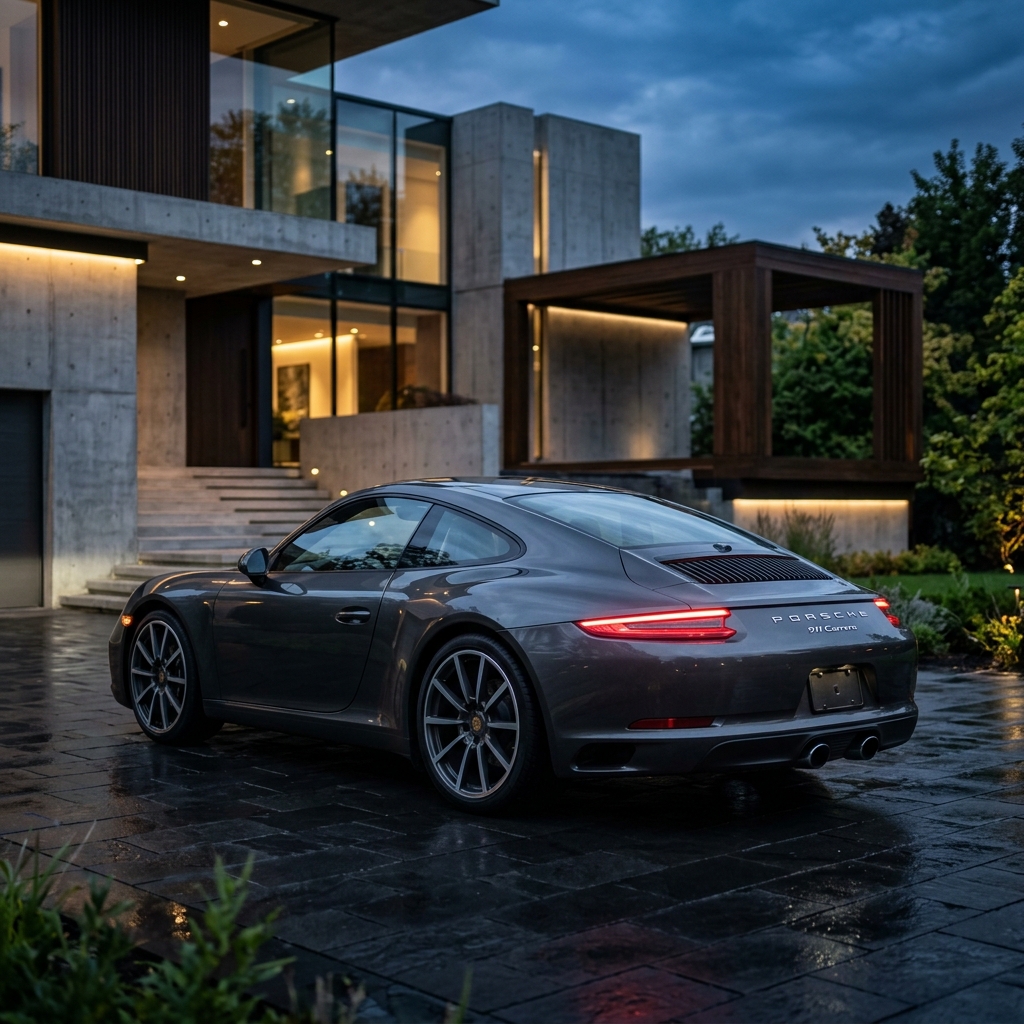
Porsche 911 991.1 vs 991.2 Reliability: Naturally Aspirated vs Twin-Turbo—10-Year Cost Reality
"You're deciding between a 2012-2015 naturally aspirated 991.1 and a 2016+ turbocharged 991.2. Both are fast. But one will cost you $8,000 more to repair. Here's which."
Quick Verdict
Buy with CautionThe 991.1 remains the safer choice for predictable ownership. The 991.2 delivers superior performance but complexity carries higher risk.
📋 In This Guide
Porsche 911 991.1 vs 991.2 Reliability: The Natural vs Turbo Debate
Atmospheric feels vs forced-fed efficiency. Real money on the table.
The generational leap from the 991.1 (2012–2015) to the 991.2 (2016–2019) was not a half-step. Porsche turbocharged the entire Carrera lineup, added hybrid-electric on the Turbo S, and redesigned the suspension. For buyers comparing used examples, the choice is not just performance—it’s a reliability and maintenance cost calculation that can swing $15,000 over a decade of ownership.
Quick Verdict
| Criteria | 991.1 (NA) | 991.2 (Turbo) |
|---|---|---|
| Engine Reliability | 9/10 | 7/10 |
| Transmission Longevity | 8/10 | 8/10 |
| Cooling System Risk | Low | Medium (intercoolers) |
| Annual Maintenance | $1,500–$2,000 | $2,000–$3,000 |
| Catastrophic Risk (10Y) | 5% probability | 15% probability |
| Recommended For | Purists, daily drivers | Performance enthusiasts, shelf queens |
Engine Architecture: The Core Difference
991.1: The 9A1 Naturally Aspirated Flat-Six
The 9A1 engine was Porsche’s last naturally aspirated unit for the Carrera. It produces 350 hp (base) or 400+ hp (S/GTS), and here’s what matters for reliability:
Strengths:
- Closed-deck block with integrated dry-sump lubrication
- No intercoolers = fewer failure points
- Simple throttle response, no electronic boost management
- Can tolerate neglect better (still not recommended)
Weaknesses:
- Direct injection carbon buildup after 50k miles
- Walnut blasting service required every 60,000 miles: $1,200–$1,800
- No turbo lag, but also no grunt low-end torque for urban driving
991.2: The 3.0L Twin-Turbo MA1 Engine
The 991.2 turbocharged everything. The MA1 engine produces 370 hp (Carrera) or 443 hp (S), and introduces complexity:
Strengths:
- Instant torque response from 1,500 rpm
- Modern fuel injection (less carbon buildup)
- Efficient—better for fuel economy and emissions
Weaknesses:
- Turbocharged = intercoolers = potential coolant leak points
- Direct injection still benefits from occasional carbon cleaning
- Electronic wastegate management = more sensors to fail
- Turbo replacement (if needed out of warranty): $6,000–$9,000 per turbo
Understanding the turbo vs naturally aspirated trade-off in modern Porsches.
Maintenance Cost Reality: 10-Year Projection
| Service | Interval | 991.1 (Indie) | 991.2 (Indie) |
|---|---|---|---|
| Oil Service | 1Y/10k mi | $350 | $400 |
| Spark Plugs (Major) | 4Y/40k mi | $1,200 | $1,200 |
| Carbon Cleaning | 5Y/60k mi | $1,500 | $1,200 |
| Transmission Fluid | 6Y/60k mi | $600 | $600 |
| Brake Fluid | 2Y | $400 | $400 |
| Rear Tires | 3–4Y | $900 | $900 |
| 10-Year Total (No Major Repair) | $15,000–$18,000 | $16,000–$20,000 |
The 991.2 costs ~$2,000 more in routine maintenance over a decade. But if a turbo fails out of warranty, the 991.2 spikes to $32,000–$35,000 total.
Known Failure Modes by Generation
991.1 Specific Issues
| Problem | Likelihood | Cost (Indie) | Cost (Dealer) |
|---|---|---|---|
| PDK Change-Over Valve failure | Medium | $400–$800 | $800–$1,200 |
| Dynamic Engine Mount (PADM) | Low–Medium | $2,400–$3,000 | $3,500–$4,500 |
| Water pump weepage (late 2014+) | Low | $600–$1,000 | $1,200–$1,500 |
| Door panel delamination | Low (cosmetic) | $600–$1,000 | $3,500 |
991.2 Specific Issues
| Problem | Likelihood | Cost (Indie) | Cost (Dealer) |
|---|---|---|---|
| Intercooler plastic end tanks cracking | Medium | $3,000–$5,000 | $5,500–$8,000 |
| Boost sensor codes (pressure sensor) | Low–Medium | $400–$800 | $1,200 |
| Turbo oil seal wear (early 2016 only) | Low | $3,500–$6,000 | $8,000–$12,000 |
| PADM failure (if equipped) | Low | $2,400–$3,000 | $3,500–$4,500 |
Head-to-Head Decision Matrix
991.1 vs 991.2 at a Glance
The 991.1 is the safer, more predictable choice. The 991.2 is faster and more practical in traffic, but carries a complexity cost. Compare full ownership costs
Which Should You Buy?
Final Verdict
"Choose 991.1 for simplicity and predictable costs. Choose 991.2 for everyday performance but with greater risk tolerance."
You drive your 911 daily, want the engineering to stay out of your way, and value authenticity (the last naturally aspirated Carrera). Maintenance budget: $2,000/year. You're comfortable with moderate mileage (50k–100k).
You drive aggressively, appreciate modern turbo torque, and have either a warranty or a $5,000 contingency fund for heat-related failures. You accept that complexity comes with newer technology.
What Mechanics Tell You
Independent Porsche specialist working in Connecticut:
“The 991.1 is bulletproof if you stay on top of the carbon cleaning schedule. The 991.2 adds turbos and intercoolers—more moving parts, more points of failure. The first thing that goes is usually the intercooler plastic end tanks when they age. Then you’re looking at a $4k–$6k repair that the 991.1 owner never has to consider.”
Porsche technician (dealership) in California:
“The 991.2 is a better engineered car overall, but complexity costs money. A crack in the intercooler is a $5,500+ charge. An uncacked 991.1 might just need a $1,200 spark plug service. Both are reliable cars. The 991.1 is predictably reliable. The 991.2 has fewer guaranteed failure points but higher costs when something does break.”
Final Verdict: Which Generation Wins?
For predictable long-term ownership: The 991.1 wins. It’s simpler, more transparent in costs, and the failure modes are well-documented and manageable by independent shops.
For driving experience and modern features: The 991.2 wins. Turbocharged torque, better interiors, and modern transmission logic (8-speed PDK vs 7-speed) make it the more capable car.
For resale value: Both hold value well. Turbocharged cars (991.2) may command slightly higher prices in 2026, but the 991.1 “last naturally aspirated Carrera” story attracts purists willing to pay.
For peace of mind: Choose the 991.1. You’ll sleep better knowing the possible repair bill for any major issue is capped at $3,000–$4,000. A 991.2 turbo failure = $8,000+.