Audi RS5 B9 Common Problems: The 5 EA839: Worth It? Real Maintenance Costs
Engine
7/10
Gearbox
7/10
Electric
6/10
Total Risk
4/10
Direct Answer
Expect significant running costs. Manageable if preventative maintenance is done.
Verdict
Buy with Caution
Risk Level
Medium
Annual Cost
$3,000 - $5,000
Worst-Case
$10,000+
Reliability Verdict
The Audi 2.9T engine in the B9 RS5 is generally robust but suffers from a critical rocker arm design flaw in 2018-2019 models. Failure can be catastrophic. 2020+ models are safe.
📋 In This Guide
The B9 RS5: 450HP of Anxiety
The Audi RS5 B9 (2018-2023) with its EA839 2.9T twin-turbo V6 is one of Audi’s most powerful models—nd one with critical weak points you must understand.
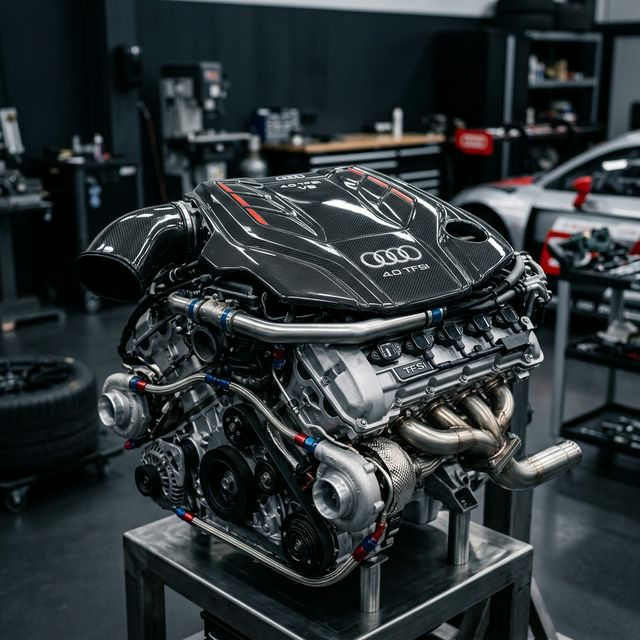
These are the 5 major failures that define RS5 B9 ownership. For a complete deep-dive into the engine architecture, see our Audi 2.9T Engine Reliability Guide.
1. Rocker Arm Failure (Pre-July 2019): The $6,500-$15,000 Catastrophe
The Design Flaw
Pre-July 2019 builds use small needle-bearing rocker arms prone to:
- Pivot wear
- Pin drop
- Fallen rockers
- Broken valve springs (catastrophic)
Failure Pattern
Affected Years: 2018-early 2019 (pre-July 2019 production)
Safe After: July 2019 (thicker needle bearing revision)
Mileage Range
Documented failures: 30,000-80,000 miles
Common range: 50,000-65,000 miles
Symptoms
- Distinct ticking (slower/irregular vs injector tick)
- Rough idle (car shaking at startup)
- Cam correlation fault codes
- Misfires
- No-start (cam sensor blocks start to prevent damage)
Cost Reality
| Scenario | Independent | Dealer |
|---|---|---|
| Single bank repair | $6,500-$9,000 | $9,000-$12,000+ |
| Both banks preventive | $10,000-$15,000 | $15,000-$20,000+ |
What’s Included:
- Engine removal (often required)
- Cylinder head teardown
- Rocker arm replacement
- Valve spring replacement
- Cam inspection
- 20+ labor hours
Owner Sentiment
“Pre-July 2019 = borescope inspect; post-revision safe. Failure preventable (cam sensor blocks start); not silent but ticking often missed.”
—Audizine/Reddit owner consensus
2. Charge-Air Cooler Cracks: The Hydrolock Risk
The Problem
Plastic end tanks on front-mount intercooler crack from:
- Stone impact
- Heat cycles
- Boost pressure stress
Failure Mileage
30,000-60,000 miles (stones anytime, cracks later)
Symptoms
- Coolant loss without overheating
- White smoke from exhaust
- Sweet smell
- Bent connecting rod (worst case)
Cost Reality
| Scenario | Independent | Dealer |
|---|---|---|
| Preventive replacement | $1,500-$2,500 | $2,500-$4,000 |
| With engine damage | $10,000-$20,000+ | $15,000-$30,000+ |
3. Cooling System Plastic Failures (60,000-Mile Window)
The Problem
Multiple plastic components fail from heat/pressure cycles:
- Water pump housing
- Expansion tank
- Thermostat housing
- Coolant crossover pipes
Failure Mileage
30,000-90,000 miles (varies by component)
Common Failures
Water Pump (30k-70k miles):
- Internal seals fail
- Coolant migrates to vacuum lines
- Cost: $1,000-$2,000
Expansion Tank (50k-90k miles):
- Base/seam cracks
- Sudden coolant dump
- Cost: $300-$600
Thermostat Housing (40k-80k miles):
- O-rings shrink
- Plastic flanges weep/split
- Cost: $500-$1,000
Owner Sentiment
“Shops note EA839/RS5 hit earlier than NA 3.0T due to turbo heat; ‘full plastic swap at 60k’ preventive mantra.”
—NGP Racing cooling system guide
4. ZF 8HP Transmission Jerkiness
The Problem
ZF 8-speed automatic exhibits:
- Harsh shifts
- Hesitation
- Jerky behavior (low speeds)
Cause
Fluid service neglect (ZF requires 40,000-mile changes)
Cost Reality
| Service | Independent | Dealer |
|---|---|---|
| Transmission fluid service | $400-$800 | $800-$1,200 |
| Mechatronics replacement | $2,000-$4,000 | $4,000-$7,000+ |
5. PCV Hose Failures (Indirect Cooling Pressure)
The Problem
PCV hose failures indirectly pressurize cooling system, accelerating plastic failures.
Symptoms
- Oil smell
- Rough idle
- Increased crankcase pressure
- Accelerated cooling system leaks
Cost
$300-$700 (independent) | $700-$1,200 (dealer)
Mileage-Based Failure Timeline
30,000-50,000 Miles
- Rocker arm risk (pre-2019 cars)
- Water pump failure window begins
- Charge-air cooler stone damage risk
50,000-70,000 Miles
- Rocker arm failures peak (pre-2019)
- Water pump failures common
- Expansion tank cracks
- Thermostat housing leaks
60,000-90,000 Miles
- Full cooling system plastic refresh needed
- Charge-air cooler cracks (heat cycles)
- PCV hose failures
Total Cost of Ownership (First 100,000 Miles)
Post-July 2019 Car (No Rocker Arm Risk)
- Cooling system refresh: $2,500
- Charge-air cooler: $2,000
- Transmission service: $600
- PCV hoses: $500
- Total: ~$5,600
Pre-July 2019 Car (Rocker Arm Risk)
- Rocker arms (preventive): $12,000
- Cooling system refresh: $2,500
- Charge-air cooler: $2,000
- Transmission service: $600
- Total: ~$17,100
Should You Buy a B9 RS5?
Buy If:
- Post-July 2019 build (rocker arm revision)
- $5,000-$10,000 maintenance reserve
- Use independent Audi specialist
- Accept cooling system plastic failures
- Love the car enough to absorb risk
Avoid If:
- Pre-July 2019 build (unless rocker arms already done)
- Cannot afford $12,000+ rocker arm repair
- Expect Toyota-level reliability
- Want easy resale after 60k miles
Related Guides
Understand the full reliability picture:
Compare with rivals:
Executive Buying Advice
Avoid 2018-2019 models unless proof of rocker arm revision (06M 109 417 H) is confirmed. Target 2020+ models (B9.5) for reliability. Budget $3k annually for maintenance.