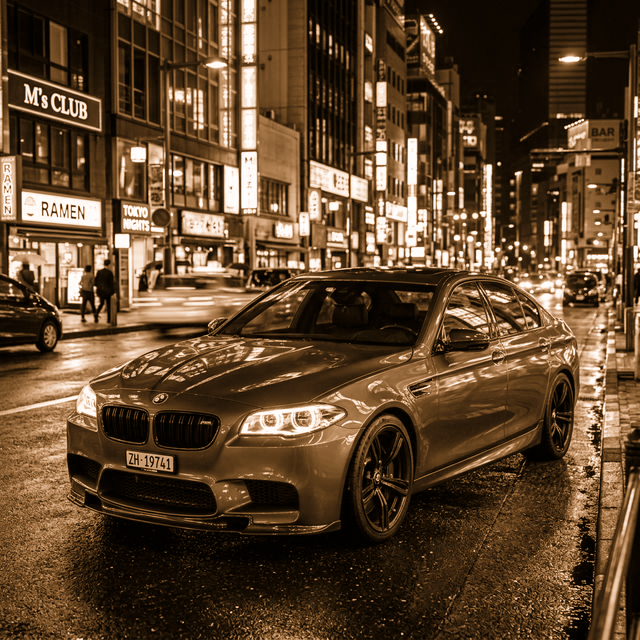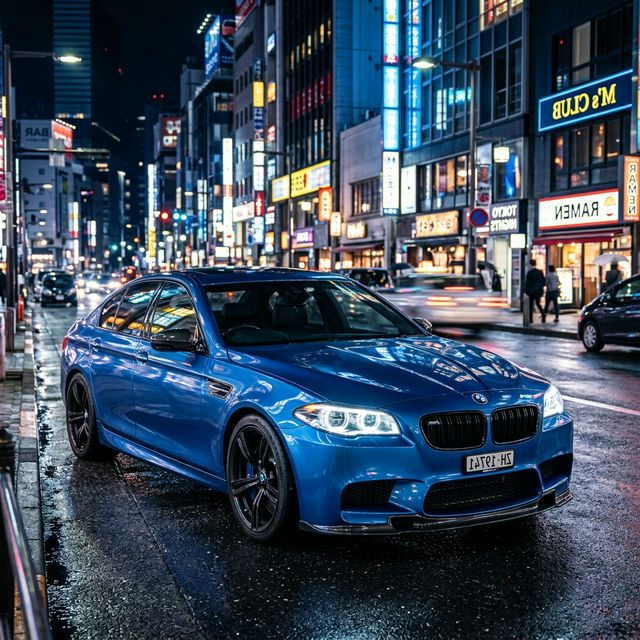
BMW M5 F10 Rod Bearing Failure: The $2,5: Worth It? Real Maintenance Costs
Engine
6/10
Gearbox
6/10
Electric
5/10
Total Risk
5/10
Direct Answer
Expect significant running costs. Manageable if preventative maintenance is done.
Verdict
Buy with Caution
Risk Level
Medium
Annual Cost
$3,000 - $5,000
Worst-Case
$10,000+
Reliability Verdict
Intermediate risk profile. Balanced ownership experience with some known failure points in cooling and high-pressure fuel systems.
📋 In This Guide
The S63 Rod Bearing Problem: BMW’s $20,000 Mistake
The BMW M5 F10 S63 engine has one failure that terrifies owners more than any other: rod bearing failure.
This is not a “wear item.” This is a design flaw where undersized rod bearings wear prematurely, leading to complete engine destruction.
The choice: Spend $2,500-$4,500 on preventive replacement, or risk a $15,000-$25,000+ engine rebuild.
The Design Flaw Explained
Undersized Rod Bearings
The S63 V8 uses rod bearings that are undersized for the engine’s power output and stress levels.
What Happens When They Fail
- Bearing wear: Oil clearance increases
- Copper particles in oil: Bearing material breaks down
- Spun bearing: Bearing rotates on crankshaft
- Catastrophic failure: Connecting rod breaks, punches through block
- Engine destroyed: Complete engine replacement required
Failure Pattern: The 60,000-Mile Window
Mileage Range
High risk: 100,000+ miles without replacement
Preventive window: 60,000-80,000 miles
Documented failures: As low as 60,000 miles, as high as 150,000+ miles
Risk Factors
High Risk:
- Tuned (Stage 1+)
- Track use
- Hard driving
- Infrequent oil changes
Moderate Risk:
- Stock power
- Spirited street driving
- Regular oil changes
Lower Risk (Still Possible):
- Conservative driving
- Frequent oil changes (every 5,000 miles)
- Oil analysis monitoring
Owner Sentiment
“Many F10 M5 owners describe constant worry about rod bearings, with some calling them a ‘ticking time bomb.’ Multiple threads focus on oil analysis and preventive bearing jobs as the price of admission.”
—Reddit r/BMW owner consensus
Symptoms Before Catastrophic Failure
Early Warning Signs
- Cold-start knock (metallic tapping for first 30 seconds)
- Copper in oil analysis (bearing material breakdown)
- Low oil pressure warnings
- Metallic rattling at idle
The Problem
Many failures occur with minimal warning:
- Oil analysis shows copper
- Owner delays repair due to cost
- Bearing fails suddenly
- Engine destroyed
The Cost Reality: Preventive vs Catastrophic
Preventive Rod Bearing Replacement
Timing: 60,000-80,000 miles (before failure)
| Component | Independent | Dealer |
|---|---|---|
| Rod bearing replacement | $2,500-$4,500 | $4,500-$7,000+ |
What’s Included:
- All 8 rod bearings
- Main bearings (often done simultaneously)
- Oil pump inspection
- Complete oil system flush
- New oil and filter
Labor: Engine stays in car (oil pan removal for access)
Catastrophic Failure (Engine Rebuild/Replacement)
Scenario: Spun bearing, connecting rod breaks
| Scenario | Independent | Dealer |
|---|---|---|
| Short block rebuild | $10,000-$15,000 | $15,000-$20,000 |
| Complete engine replacement | $15,000-$25,000+ | $20,000-$35,000+ |
What’s Included:
- Engine removal
- Complete short block rebuild or replacement
- All bearings, seals, gaskets
- Cylinder head inspection/rebuild
- Complete timing system
- Oil system flush
Labor: 60-100+ hours
Owner Sentiment
“Strong frustration about the cost and finality of a spun bearing—wners mention engines being effectively totaled, leading to stories of cars being sold or parted out after failure.”
—Reddit r/BMW owner reports
Preventive Replacement: When and Why
When to Replace
Immediately If:
- Oil analysis shows copper (over 10 ppm)
- Cold-start knock present
- Approaching 80,000 miles
- Tuned or track-driven
Within 60,000-80,000 Miles If:
- Stock power but spirited driving
- Plan to keep car long-term
- Cannot afford catastrophic failure
Consider Delaying If:
- Low mileage (under 40,000 miles)
- Conservative driving only
- Frequent oil changes (every 5,000 miles)
- Regular oil analysis (no copper)
Why Owners Replace Preventively
Financial Logic:
- $3,500 preventive replacement vs $20,000 engine rebuild
- 6:1 cost ratio makes preventive work rational
Peace of Mind:
- Eliminates constant anxiety
- Allows tuning and hard driving without fear
- Increases resale value (documented replacement)
Owner Rule of Thumb
“High risk after ~100k miles without rod bearings; smart money does them once in the 60-80k range.”
—YouTube owner consensus
Oil Analysis: The Early Warning System
What to Monitor
Copper (Cu):
- Normal: under 5 ppm
- Watch: 5-10 ppm
- Action required: over 10 ppm
Iron (Fe):
- Normal: under 20 ppm
- Watch: 20-40 ppm
- Action required: over 40 ppm
Testing Frequency
Recommended:
- Every oil change (5,000-7,500 miles)
- More frequent if copper detected
Cost:
- $25-$40 per test (Blackstone Labs)
Should You Replace or Sell?
笨Replace If:
- Plan to keep car long-term (100k+ miles)
- Love the car and want peace of mind
- Approaching 60,000-80,000 miles
- Use independent BMW specialist (lower cost)
- Can afford $3,000-$4,500 preventive work
笶Sell If:
- Cannot afford preventive replacement
- Plan to sell soon (won’t recover cost)
- Low mileage (under 40,000 miles, low immediate risk)
- Want worry-free ownership
- Prefer a car without this anxiety
Buying Strategy: Rod Bearing Inspection
If Buying an F10 M5
Ask These Questions:
- Have rod bearings been replaced? (Request documentation)
- What is the oil analysis history?
- Any cold-start knock or oil pressure warnings?
- What is the service history?
Negotiate Based on Bearing Status:
| Scenario | Price Adjustment |
|---|---|
| Bearings replaced (documented) | +$3,000-$4,000 premium |
| No replacement, low mileage (under 60k) | Neutral (budget $3,500) |
| No replacement, high mileage (over 80k) | -$5,000-$8,000 (high risk) |
Related Guides
Understand the full reliability picture: