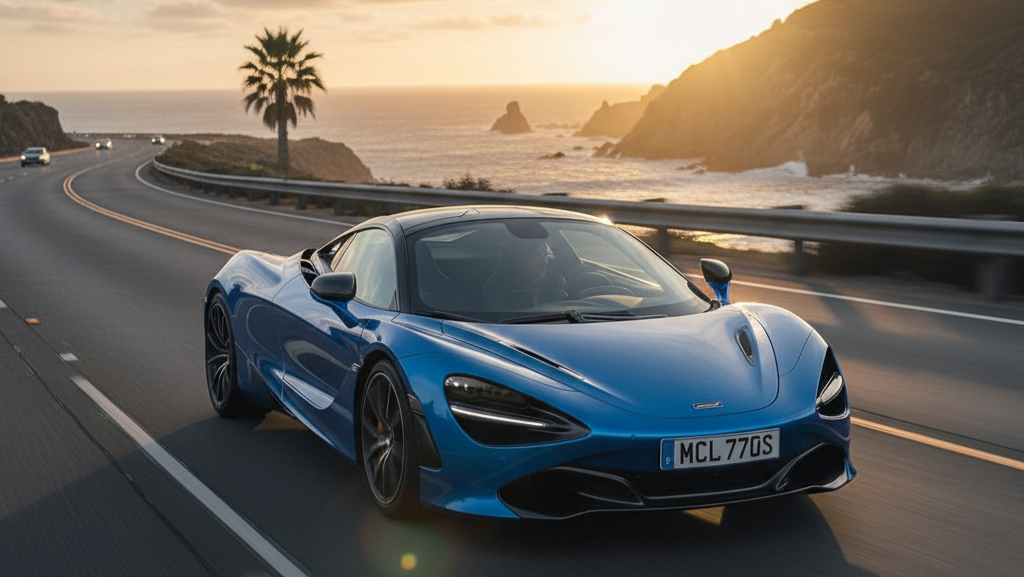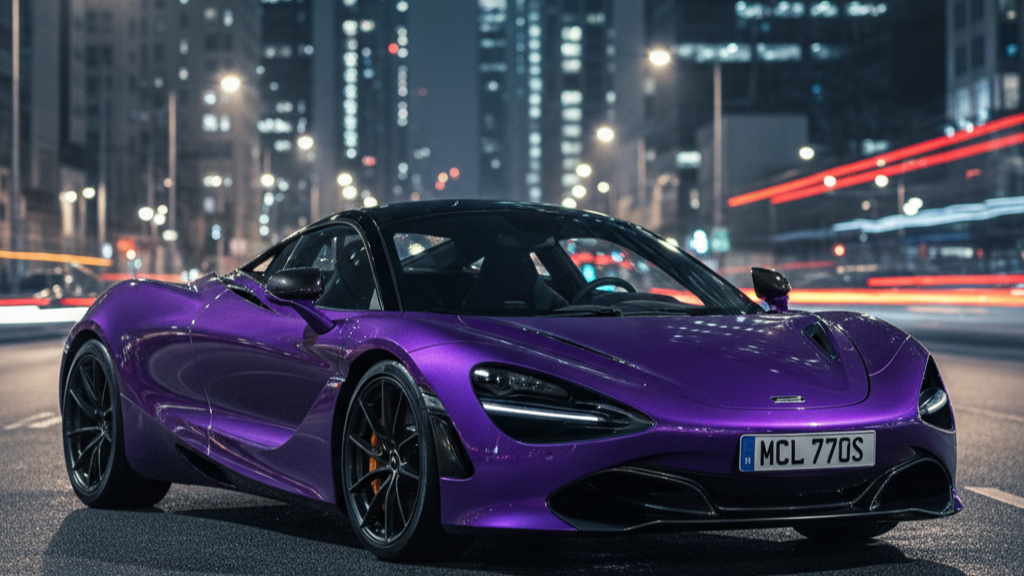
McLaren 720S Reliability: Performance vs. Fragility Master Guide
Engine
6/10
Gearbox
6/10
Electric
5/10
Total Risk
5/10
Direct Answer
Expect significant running costs. Manageable if preventative maintenance is done.
Verdict
Buy with Caution
Risk Level
Medium
Annual Cost
$3,000 - $5,000
Worst-Case
$10,000+
Reliability Verdict
The 720S is a hypercar-killer that requires hypercar-level maintenance. The engine is robust but the chassis systems (PCCII) and glass components suffer from 'teething' issues that McLaren has addressed in later revisions. Expect one $5k repair per year beyond standard maintenance.
📋 In This Guide
McLaren 720S Reliability: Performance vs. Fragility
The McLaren 720S redefined what a supercar could do. With 710 horsepower (officially—any dyno higher) and a carbon-fiber Monocage II, it remains one of the fastest road-legal vehicles ever produced.
However, McLaren’s reputation for build quality varies wildly. To own a 720S out of warranty is an act of bravery that requires a deep understanding of the car’s peculiar failure modes.
Failure Probability Timeline
Infancy period where assembly issues usually manifest.
- Windshield stress cracks
- Misaligned door seals
- Software gremlins
The component wear phase for the sophisticated hydraulic suspension.
- Suspension accumulator failure
- Coolant hose clamp leaks
- Turbocharger speed sensor fault
Long-term thermal degradation starts affecting high-heat zones.
- Turbo oil feed line weepage
- Engine mount settling
- Ignition coil pack burnout
*Data based on owner-reported failures and specialist shop frequency reports.
1. The PCCII System: Hydraulic Magic and Its Cost
Unlike Ferraris or Lamborghinis, the 720S does not use traditional anti-roll bars. Instead, it uses ProActive Chassis Control II (PCCII), a complex network of hydraulic lines and accumulators that cross-link the dampers.
The Accumulator Failure
The nitrogen-filled accumulators (there are four main ones) eventually lose their charge or the diaphragm fails.
- The Symptom: The car’s normally supple ride becomes harsh, bouncy, and jittery. You may see a “Suspension Fault - Limp Home” message.
- The Fix: Replace all four accumulators.
- Cost: $2,500 - $4,500 at a specialist.
2. Engineering Dossier: The M840T Engine
The 4.0L Twin-Turbo V8 is a development of the earlier 3.8L unit. It is remarkably strong and capable of supporting 900+ hp with minor modifications, but it has “external” issues:
- Coolant Hose Leaks: McLaren famously used “one-time use” clamps that can lose tension. The fix is to replace them with constant-tension units, but the labor is high because the engine is buried deep in the chassis.
- Turbo Speed Sensors: Heat soak can kill the sensors that monitor turbo RPM. While the sensor is cheap, the labor is not.
3. Glass & Body: The Fragility Factor
The 720S uses thin-ply glass and a complex roof structure to save weight.
- Stress Cracks: Many owners have reported the windshield or the upper “gorilla glass” sections of the doors cracking for no apparent reason while the car is parked or driven over a bump.
- Repair: These are not simple glass swaps. They often require McLaren-certified technicians to ensure structural integrity is maintained.
- Cost: $5,000 - $7,000 per pane.
4. Ownership Reality: The McLaren “Tax”
Maintaining a 720S requires specialized diagnostic equipment (MDS). Independent shops are becoming more common, but they are still rare compared to Porsche or BMW specialists.
| Service | Cost (Specialist) | Cost (McLaren Dealer) |
|---|---|---|
| Annual Service (Oil/Filters) | $1,200 | $2,500 |
| Brake Flush | $400 | $800 |
| Spark Plugs (4-Year) | $1,800 | $3,500 |
| Accumulator Refresh | $2,800 | $5,000 |
5. Conclusion: Should You Buy a 720S?
The 720S is for the driver who prioritizes performance above all else. It is faster than an Aventador and more engaging than an F8 Tributo.
The Golden Rule: Never buy a McLaren without a Warranty or a $15,000 Slush Fund. If you have both, it is a life-changing machine.
Related Authority Guides
Executive Buying Advice
Look for 2019+ models where initial assembly quality improved. Verify if the suspension accumulators have been replaced with the updated part numbers. A McLaren Qualification Inspection (MQI) is mandatory.